Home › Aves › Gruidae › Whooping Crane (Grus americana)
SPECIES PROFILE
Whooping Crane (Grus americana)
Grus
IUCN STATUS
Endangered


CONSERVATION STATUS
Endangered
CLASS
Aves
GEOGRAPHICAL RANGE
Breeds only at Wood Buffalo National Park on the NWT/AB border; winters in Texas; migrates through the central prairies
DIET
Omnivore
HABITAT
Breeds in boreal muskeg at Wood Buffalo National Park; winters in Texas; uses prairie wetlands on migration
🔬 Classification
PHYLUM
Chordata
CLASS
Aves
ORDER
Gruiformes
FAMILY
Gruidae
GENUS
Grus
📋 Description
SIZE
150 cm tall; wingspan 200–230 cm; up to 7.5 kg
COLORATION
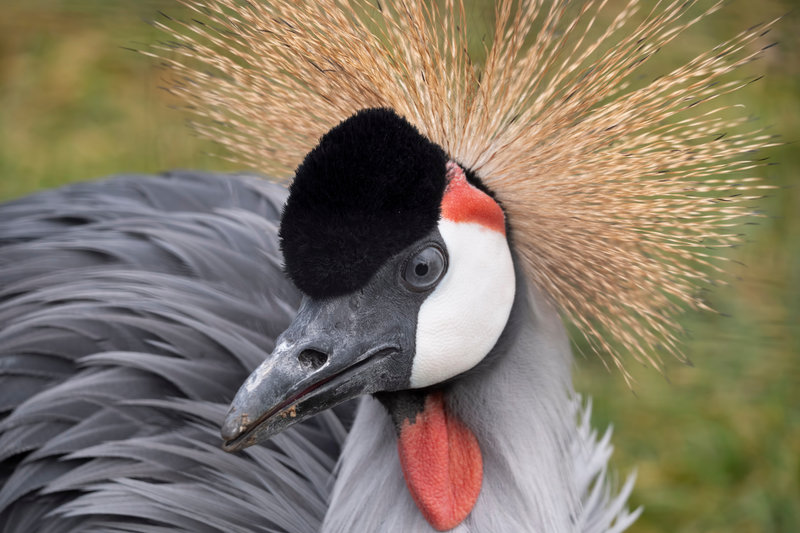
Brilliant white plumage with a red crown and black mask; black wingtips visible in flight; immatures rusty-brown
ADAPTATIONS
Highly site-faithful migratory route passed down culturally; elaborate unison calling and dancing pair-bonding displays
🌿 Ecology
HABITAT
Breeds in boreal muskeg at Wood Buffalo National Park; winters in Texas; uses prairie wetlands on migration
DIET
Omnivore
GEOGRAPHIC RANGE
Breeds only at Wood Buffalo National Park on the NWT/AB border; winters in Texas; migrates through the central prairies
REPRODUCTION
Pair-bonded for life; single egg laid in a raised platform nest in remote muskeg; one chick typically survives per nest
DIET DETAILS
Blue crabs and clams at wintering grounds; in summer frogs, fish, and small mammals; grain gleaned during migration
⚠️ Threats & Conservation
PRIMARY THREATS
Collisions with power lines during migration; habitat loss at wintering grounds; low reproductive rate
💡 Interesting Facts
1
The Whooping Crane was reduced to just 15 wild birds in 1941 and represents one of conservation's greatest recovery stories, with the wild population now exceeding 500.
2
Canada's Wood Buffalo National Park is the only natural nesting location in the world for wild Whooping Cranes.
🔭 Sighting Guide
📍 BEST PLACES TO SIGHT
Wood Buffalo National Park on the AB/NWT border is the sole wild nesting ground for Whooping Cranes
Last Mountain Lake National Wildlife Area near Bethune, SK, is a key autumn migration stopover for Whooping Cranes
Quill Lakes near Wynyard, SK, are important staging wetlands where Whooping Cranes rest during migration
🗓️ BEST TIME TO SIGHT
Autumn migration. Stop in Saskatchewan fields near Quill Lakes and Last Mountain Lake in late September to mid-October.
🎯 SIGHTING TIPS
Late September to mid-October as birds move south from Wood Buffalo; Last Mountain Lake NWA and Quill Lakes are the most reliable prairie stopovers.