Home › Aves › Gruidae › Grey Crowned Crane (Balearica regulorum)
SPECIES PROFILE
Grey Crowned Crane (Balearica regulorum)
Balearica
IUCN STATUS
Endangered

CONSERVATION STATUS
Endangered
CLASS
Aves
GEOGRAPHICAL RANGE
East and Southern Africa
DIET
Omnivorous
HABITAT
Wetlands, grasslands, savannas
🔬 Classification
PHYLUM
Chordata
CLASS
Aves
ORDER
Gruiformes
FAMILY
Gruidae
GENUS
Balearica
📋 Description
SIZE
1-1.1 m tall, 3-4 kg; wingspan 1.8-2 m
COLORATION
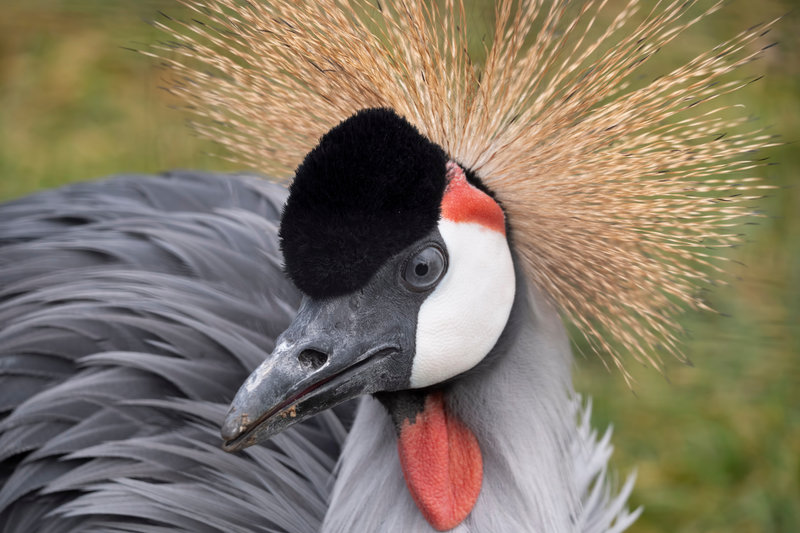
Grey body, golden crest, red throat pouch
ADAPTATIONS
Elegant dancer; strong flier
🌿 Ecology
HABITAT
Wetlands, grasslands, savannas
DIET
Omnivorous
GEOGRAPHIC RANGE
East and Southern Africa
REPRODUCTION
2-4 eggs; incubation 28-31 days
DIET DETAILS
Seeds, insects, small vertebrates
⚠️ Threats & Conservation
PRIMARY THREATS
Habitat loss, illegal trade
💡 Interesting Facts
1
Dance of Grace: Grey crowned cranes perform intricate dances with leaps and bows, not just for mating but also to strengthen pair bonds, a ritual that's a cultural emblem in Uganda. These displays, often in pairs, can last hours and mesmerize onlookers.
2
Crested Royalty: Their golden crown of stiff feathers inspired their regal status as Uganda's national bird, symbolizing beauty and resilience amid wetland declines. This distinctive feature also aids in signaling across grassy expanses.
🔭 Sighting Guide
📍 BEST PLACES TO SIGHT
Amboseli National Park, Kenya
Ngorongoro CA, Tanzania
Kazinga Channel, Uganda
🗓️ BEST TIME TO SIGHT
Visit swamps at dawn to see cranes performing courtship dances.
🎯 SIGHTING TIPS
June-October: Dry season offers open wetlands for spotting dancing cranes.