Home › Mammalia › Balaenidae › Southern Right Whale (Eubalaena australis)
SPECIES PROFILE
Southern Right Whale (Eubalaena australis)
Eubalaena
IUCN STATUS
Least Concern

CONSERVATION STATUS
Least Concern
CLASS
Mammalia
GEOGRAPHICAL RANGE
Southern coast of Australia, particularly Head of Bight, SA
DIET
Carnivorous
HABITAT
Migrates from Antarctic waters to coastal breeding areas
🔬 Classification
PHYLUM
Chordata
CLASS
Mammalia
ORDER
Cetacea
FAMILY
Balaenidae
GENUS
Eubalaena
📋 Description
SIZE
Adults can reach 17 meters, females larger; weight up to 80 tons
COLORATION
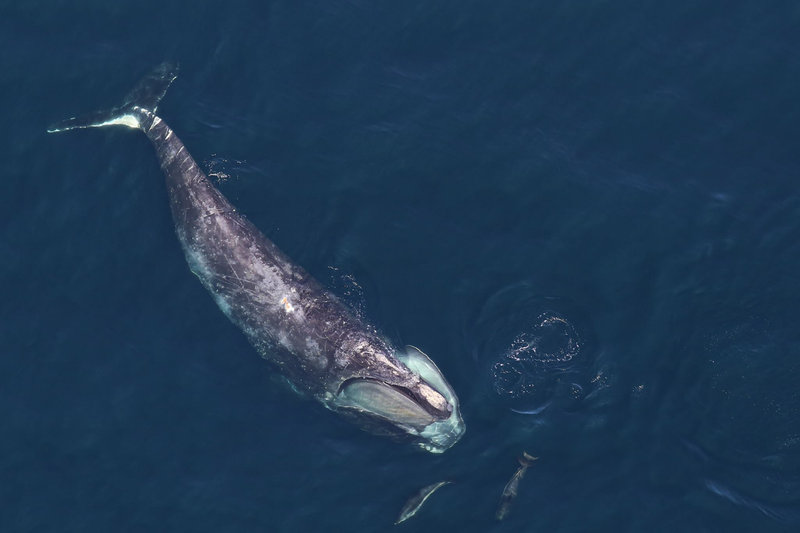
Black with white callosities on head, no dorsal fin
ADAPTATIONS
V-shaped blow, slow swimming, great maneuverability
🌿 Ecology
HABITAT
Migrates from Antarctic waters to coastal breeding areas
DIET
Carnivorous
GEOGRAPHIC RANGE
Southern coast of Australia, particularly Head of Bight, SA
REPRODUCTION
Calves born after year-long gestation in warm waters; one calf per pregnancy
DIET DETAILS
Feeds on krill and copepods in Antarctic waters
⚠️ Threats & Conservation
PRIMARY THREATS
Historical whaling, entanglement, ship strikes
💡 Interesting Facts
1
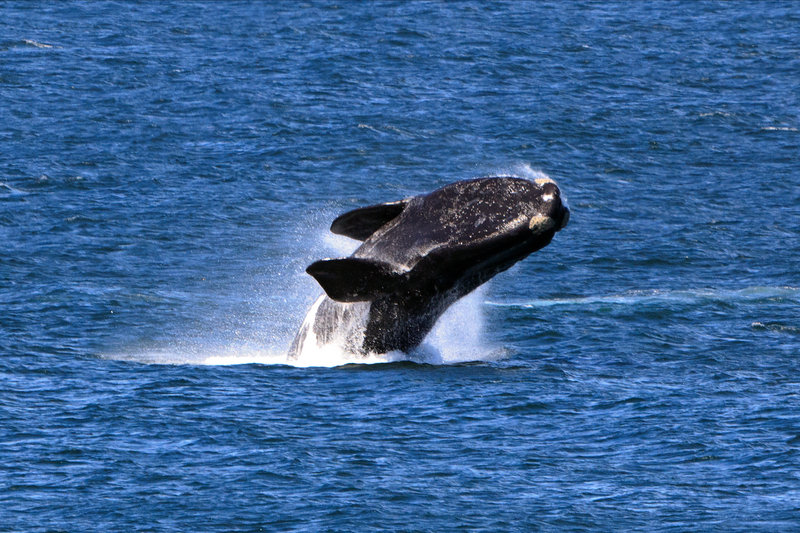
Breaching Spectacles: Southern right whales breach 10 meters high in Hervey Bay, their 80-ton bodies drawing thousands yearly, signaling mating strength. Their 7,000 population, recovered since 1935 bans, faces ship strikes, with 50 entangled annually, spurring rescue efforts.
2
Marathon Migrators: Traveling 4,000 km from Antarctic krill grounds to Whitsunday Islands, they consume 1 ton of copepods daily in Ningaloo’s waters. Conservation laws protect their breeding bays, ensuring calves survive in warm southern coasts.
🔭 Sighting Guide
📍 BEST PLACES TO SIGHT
Head of Bight in South Australia on Nullarbor Plain is ideal for whale sightings from June to October
Victor Harbor in South Australia near Encounter Bay from Granite Island offers whale sightings
Warrnambool in Victoria features Logan's Beach for whale sightings in winter months
🗓️ BEST TIME TO SIGHT
Visit coastal lookouts at midday to see whales breaching.
🎯 SIGHTING TIPS
June-October. Winter migration brings whales to coastal bays for breeding.