Home › Mammalia › Balaenidae › North Atlantic Right Whale (Eubalaena glacialis)
SPECIES PROFILE
North Atlantic Right Whale (Eubalaena glacialis)
Eubalaena
IUCN STATUS
Critically Endangered

CONSERVATION STATUS
Critically Endangered
CLASS
Mammalia
GEOGRAPHICAL RANGE
Western North Atlantic from Florida (winter calving) to Nova Scotia, Gulf of St. Lawrence, and Gulf of Maine
DIET
Carnivore
HABITAT
Shallow, productive coastal waters; feeds in dense zooplankton aggregations near the surface
🔬 Classification
PHYLUM
Chordata
CLASS
Mammalia
ORDER
Cetacea
FAMILY
Balaenidae
GENUS
Eubalaena
📋 Description
SIZE
13–16 m; 40,000–70,000 kg
COLORATION
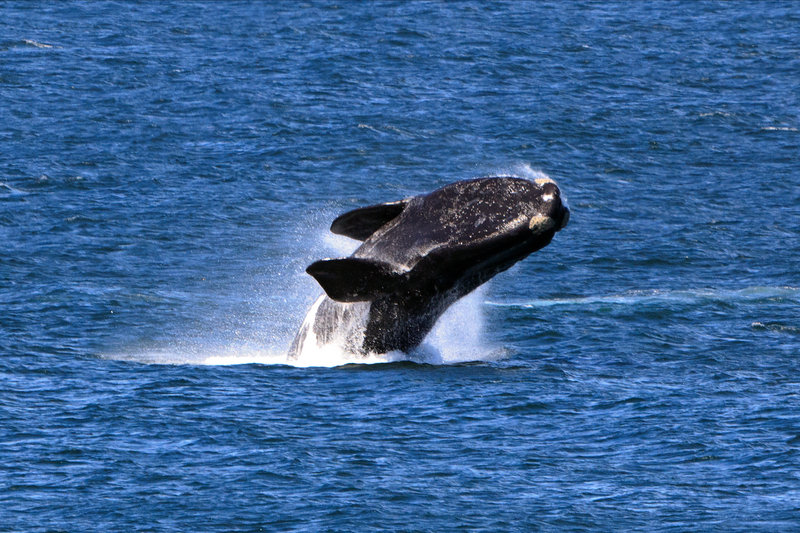
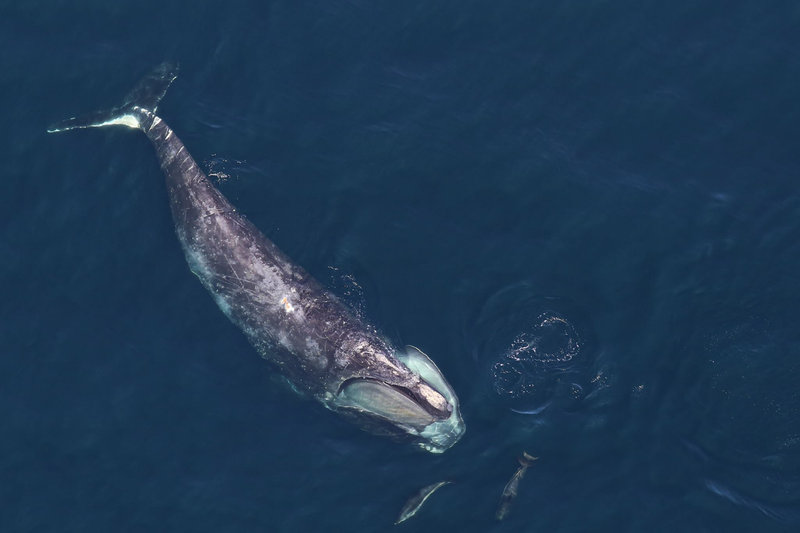
Stocky black body with no dorsal fin; white callosities (rough patches) on the head used to identify individuals; V-shaped blow
ADAPTATIONS
Skim-feeder with a highly arched jaw and 2-metre baleen plates; swims slowly through dense copepod patches with mouth open
🌿 Ecology
HABITAT
Shallow, productive coastal waters; feeds in dense zooplankton aggregations near the surface
DIET
Carnivore
GEOGRAPHIC RANGE
Western North Atlantic from Florida (winter calving) to Nova Scotia, Gulf of St. Lawrence, and Gulf of Maine
REPRODUCTION
Single calf born every 3–5 years off Florida; gestation 12 months; calves nurse for 1 year; strong mother-calf bond
DIET DETAILS
Calanoid copepods filtered through long baleen plates in enormous volumes
⚠️ Threats & Conservation
PRIMARY THREATS
Ship strikes and entanglement in fixed fishing gear (crab and lobster trap lines) are the leading causes of death
💡 Interesting Facts
1
Fewer than 350 North Atlantic Right Whales remain, making them one of the most endangered large mammals on Earth; every death delays recovery by years given their slow reproduction.
2
The species was called the right whale by whalers because it was slow, floated when dead, and yielded large amounts of oil — making it the right whale to hunt.
🔭 Sighting Guide
📍 BEST PLACES TO SIGHT
Bay of Fundy near Digby, NS, is a summer feeding ground for North Atlantic Right Whales
Magdalen Islands, QC, in the Gulf of St. Lawrence is a critical summer feeding area for the species
Roseway Basin off southwest Nova Scotia is a designated critical habitat area for North Atlantic Right Whales
🗓️ BEST TIME TO SIGHT
Summer. Gulf of St. Lawrence and Bay of Fundy feeding aggregations from July to October; whale watching boats from Digby, NS.
🎯 SIGHTING TIPS
July to October in the southern Gulf of St. Lawrence near the Magdalen Islands; Bay of Fundy right whale watching from Digby or Grand Manan in late summer.