Home › Aves › Cuculidae › Common Cuckoo (Cuculus canorus)
SPECIES PROFILE
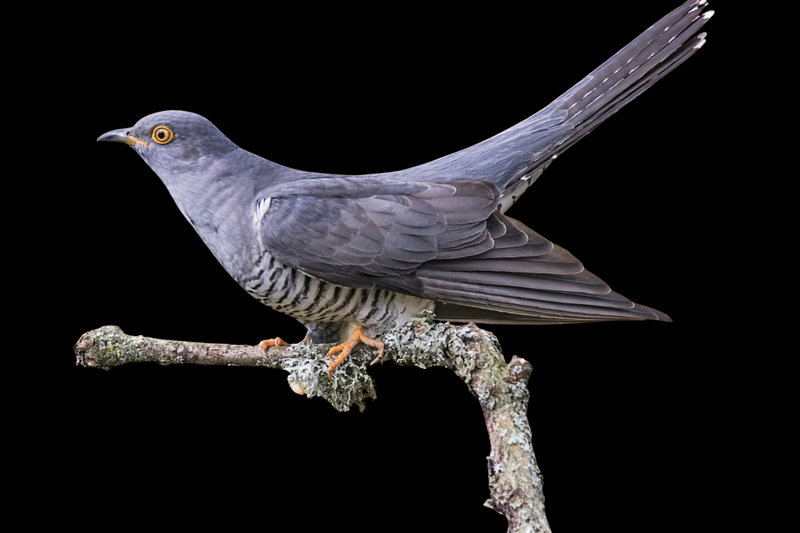
Common Cuckoo (Cuculus canorus)
Cuculus
IUCN STATUS
Least Concern

CONSERVATION STATUS
Least Concern
CLASS
Aves
GEOGRAPHICAL RANGE
Indian subcontinent Europe Africa
DIET
Insectivorous
HABITAT
Forests woodlands scrub
🔬 Classification
PHYLUM
Chordata
CLASS
Aves
ORDER
Cuculiformes
FAMILY
Cuculidae
GENUS
Cuculus
📋 Description
SIZE
32-34 cm long 100-120 g
COLORATION
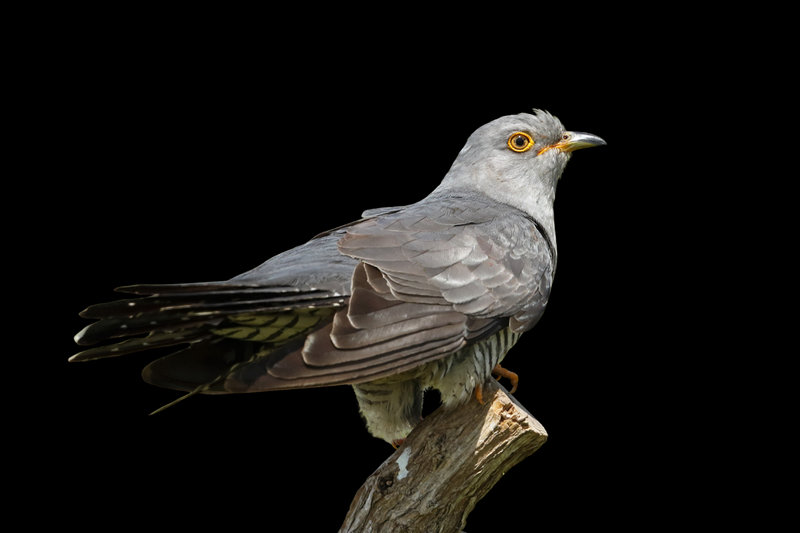
Grey upperparts white underparts barred belly
ADAPTATIONS
Brood parasite agile flight for host nest access
🌿 Ecology
HABITAT
Forests woodlands scrub
DIET
Insectivorous
GEOGRAPHIC RANGE
Indian subcontinent Europe Africa
REPRODUCTION
Lays 1 egg in host nests incubated 11-13 days
DIET DETAILS
Insects caterpillars small invertebrates
⚠️ Threats & Conservation
PRIMARY THREATS
Brood parasitism habitat loss
💡 Interesting Facts
1
Familiar Callers: Common Cuckoos parasitize with 110-gram bodies eating 30 grams of insects daily in Kashmir's forests. Their cuckoo calls are iconic.
2
Migratory Parasites: These cuckoos cover 3000 sq km in Himalayan woodlands parasitizing warbler nests. Habitat loss affects their hosts.
🔭 Sighting Guide
📍 BEST PLACES TO SIGHT
Gulmarg in Kashmir
Ranthambore National Park in Rajasthan
Dandeli Wildlife Sanctuary in Karnataka
🗓️ BEST TIME TO SIGHT
June-September Monsoon breeding enhances audibility for spotting cuckoos
🎯 SIGHTING TIPS
Listen for common cuckoos' classic calls in woodlands