top of page

Home › Aves › Cuculidae › Pied Cuckoo (Clamator jacobinus)

SPECIES PROFILE

Pied Cuckoo (Clamator jacobinus)

Clamator

IUCN STATUS

Least Concern

paw print_edited.png
Pied Cuckoo (Clamator jacobinus) — India Africa southeast Asia

CONSERVATION STATUS

Least Concern

CLASS

Aves

GEOGRAPHICAL RANGE

India Africa southeast Asia

DIET

Omnivorous

HABITAT

Open woodlands scrub savannas

🔬 Classification

PHYLUM

Chordata

CLASS

Aves

ORDER

Cuculiformes

FAMILY

Cuculidae

GENUS

Clamator

📋 Description

SIZE

31-33 cm long 60-80 g

COLORATION

Black and white with crest white wing patch yellow bill

ADAPTATIONS

Brood parasite agile flight for host nest access

🌿 Ecology

HABITAT

Open woodlands scrub savannas

DIET

Omnivorous

GEOGRAPHIC RANGE

India Africa southeast Asia

REPRODUCTION

Lays 1-2 eggs in host nests incubated 11-13 days

DIET DETAILS

Insects caterpillars fruits

⚠️ Threats & Conservation

PRIMARY THREATS

Brood parasitism habitat fragmentation

💡 Interesting Facts

1

Migratory Harbingers: Pied Cuckoos arrive with monsoons with 70-gram bodies eating 20 grams of insects daily in Rajasthan's scrub. Their pied plumage is striking.

2

Host Deceivers: These cuckoos cover 4000 sq km in Gujarat's woodlands parasitizing babbler nests. Habitat loss affects their hosts.

🔭 Sighting Guide

📍 BEST PLACES TO SIGHT

Ranthambore National Park in Rajasthan

Jamnagar in Gujarat

Bhigwan Bird Sanctuary in Maharashtra

🗓️ BEST TIME TO SIGHT

June-September Monsoon breeding improves audibility for spotting cuckoos

🎯 SIGHTING TIPS

Listen for pied cuckoos' melodious calls near host nests
🏨 Where to Stay
📍
Ranthambore National Park in Rajasthan
India
📍
Jamnagar in Gujarat
India
📍
Bhigwan Bird Sanctuary in Maharashtra
India
🐾 You Might Also Want to See...
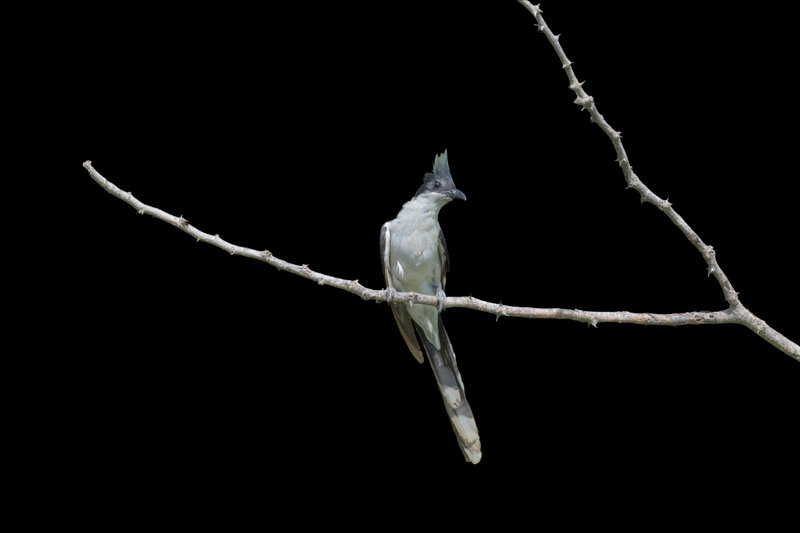
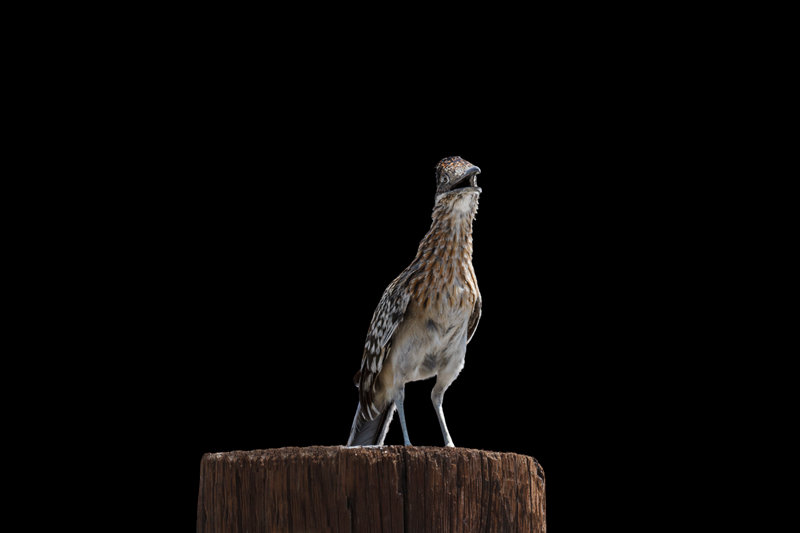
Greater Roadrunner (Geococcyx californianus)

Greater Roadrunner (Geococcyx californianus)

Southwestern US from California to Texas, and south through Mexico to Central America

Least Concern

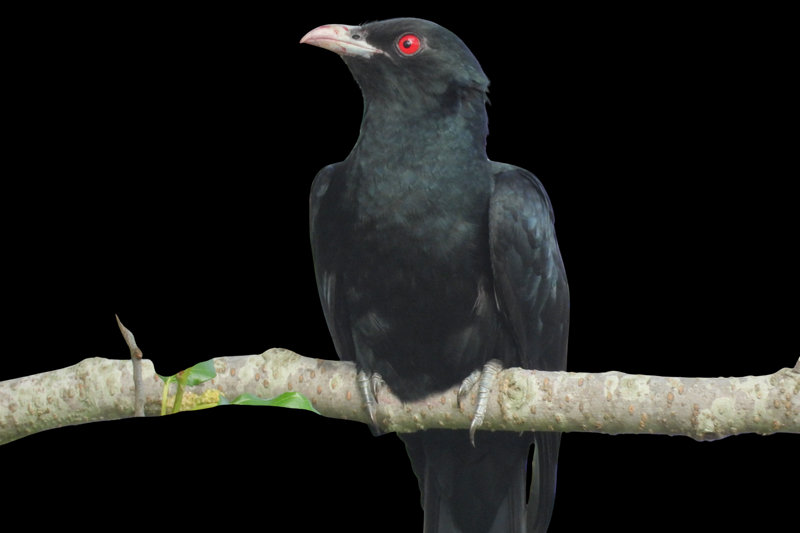
Asian Koel (Eudynamys scolopaceus)

Asian Koel (Eudynamys scolopaceus)

Indian subcontinent Pakistan China Southeast Asia

Least Concern

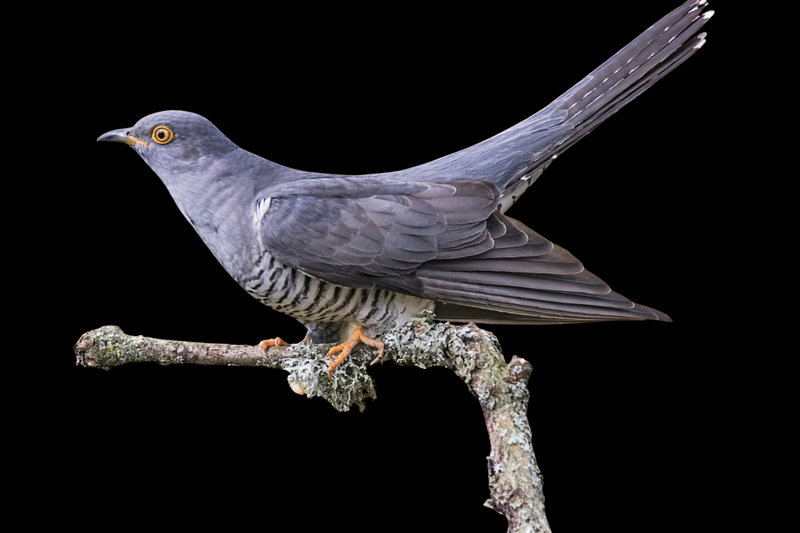
Gray-bellied Cuckoo (Cacomantis passerinus)

Gray-bellied Cuckoo (Cacomantis passerinus)

Indian subcontinent

Least Concern

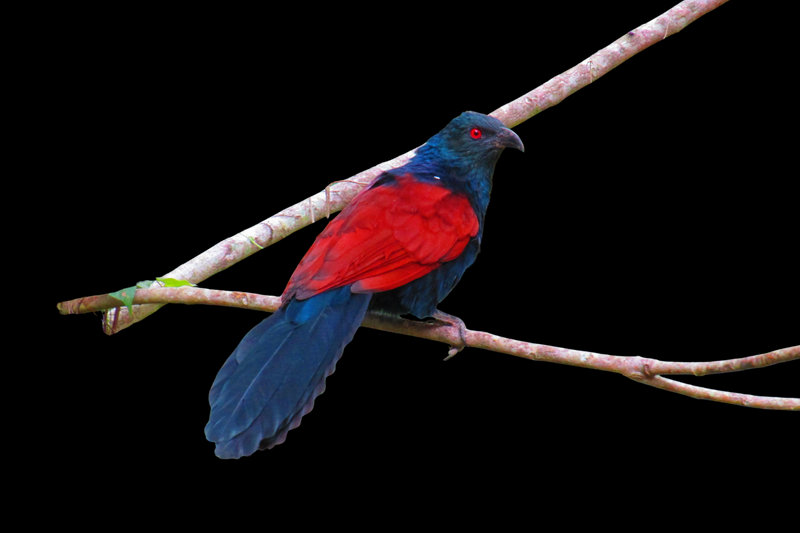
Greater Coucal (Centropus sinensis)

Greater Coucal (Centropus sinensis)

Indian subcontinent southeast Asia

Least Concern

More wildlife in India
Indian Pond-Heron (Ardeola grayii)

Indian Pond-Heron (Ardeola grayii)

Grey Heron (Ardea cinerea)

Grey Heron (Ardea cinerea)

Cinnamon Bittern (Ixobrychus cinnamomeus)

Cinnamon Bittern (Ixobrychus cinnamomeus)

Little Tern (Sternula albifrons)

Little Tern (Sternula albifrons)

Other Least Concern species
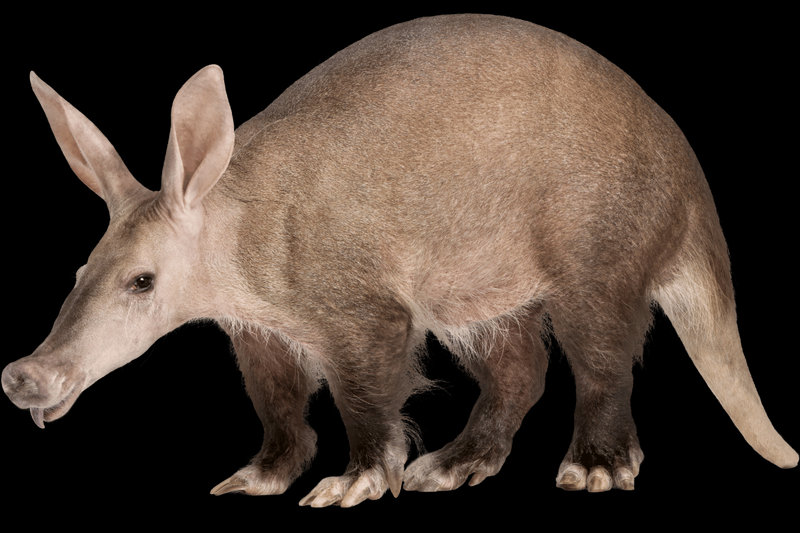
Aardvark (Orycteropus afer)

Aardvark (Orycteropus afer)

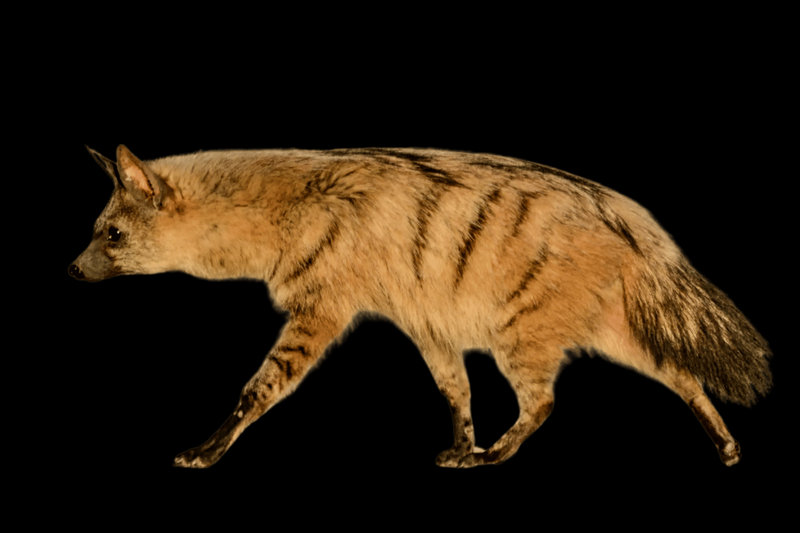
Aardwolf (Proteles cristata)

Aardwolf (Proteles cristata)

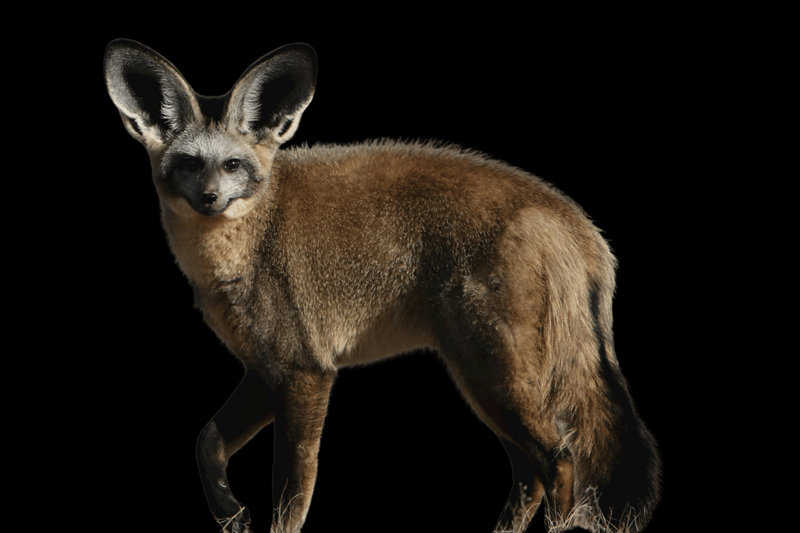
Bat-eared Fox (Otocyon megalotis)

Bat-eared Fox (Otocyon megalotis)

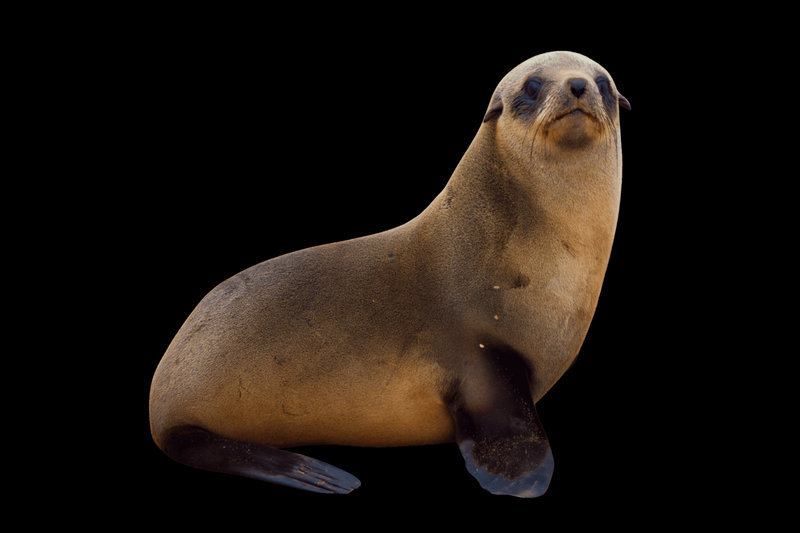
Cape Fur Seal (Arctocephalus pusillus)

Cape Fur Seal (Arctocephalus pusillus)

CONTINUE EXPLORING

Discover more wildlife experiences

bottom of page