Home › Aves › Corvidae › Large-billed Crow (Corvus macrorhynchos)
SPECIES PROFILE
Large-billed Crow (Corvus macrorhynchos)
Corvus
IUCN STATUS
Least Concern

.png)
CONSERVATION STATUS
Least Concern
CLASS
Aves
GEOGRAPHICAL RANGE
Throughout India southeast Asia
DIET
Omnivorous
HABITAT
Forests urban areas farmlands
🔬 Classification
PHYLUM
Chordata
CLASS
Aves
ORDER
Passeriformes
FAMILY
Corvidae
GENUS
Corvus
📋 Description
SIZE
46-59 cm long 600-800 g
COLORATION
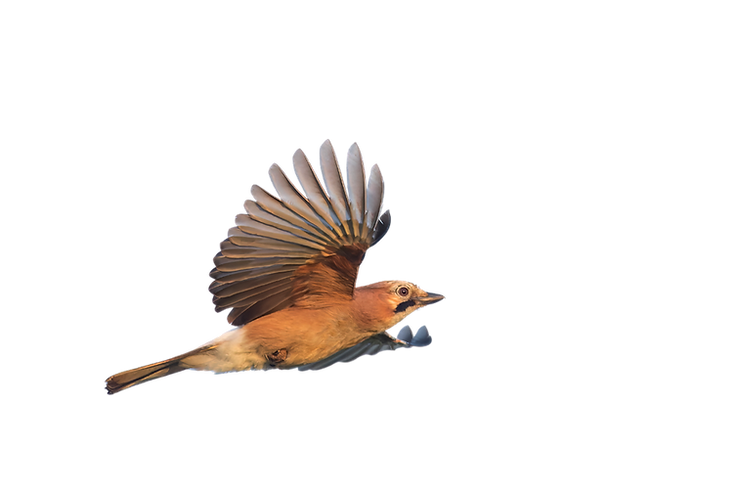
Glossy black with large thick bill
ADAPTATIONS
Strong flight and vocal mimicry for scavenging
🌿 Ecology
HABITAT
Forests urban areas farmlands
DIET
Omnivorous
GEOGRAPHIC RANGE
Throughout India southeast Asia
REPRODUCTION
Lays 3-5 eggs in tree nests incubated 20-23 days
DIET DETAILS
Seeds insects small vertebrates carrion
⚠️ Threats & Conservation
PRIMARY THREATS
Urban expansion human conflict
💡 Interesting Facts
1
Intelligent Scavengers: Large-billed Crows adapt with 700-gram bodies foraging 200 grams of varied food daily in Delhi's streets. Their calls echo urban areas.
2
Cultural Symbols: These crows cover 10000 sq km in Bangalore's parks. Human persecution threatens their adaptability.
🔭 Sighting Guide
📍 BEST PLACES TO SIGHT
Okhla Bird Sanctuary in Delhi urban wetlands host large-billed crow sightings
Bandipur National Park in Karnataka forests offer large-billed crow sightings
Guindy National Park in Tamil Nadu urban forests have large-billed crow sightings
🗓️ BEST TIME TO SIGHT
Year-round Urban presence ensures visibility for spotting crows
🎯 SIGHTING TIPS
Observe large-billed crows in open areas or near garbage dumps