Home › Aves › Corvidae › Common Raven (Corvus corax)
SPECIES PROFILE
Common Raven (Corvus corax)
Corvus
IUCN STATUS
Least Concern

.png)
CONSERVATION STATUS
Least Concern
CLASS
Aves
GEOGRAPHICAL RANGE
Holarctic; found throughout Canada from southern forests to the High Arctic — one of the most widespread birds in the world
DIET
Omnivore
HABITAT
Generalist inhabiting virtually every Canadian habitat from tundra to temperate forest to city; scavenges landfills and campgrounds readily
🔬 Classification
PHYLUM
Chordata
CLASS
Aves
ORDER
Passeriformes
FAMILY
Corvidae
GENUS
Corvus
📋 Description
SIZE
56–69 cm; 690–1,625 g; wingspan up to 120 cm
COLORATION
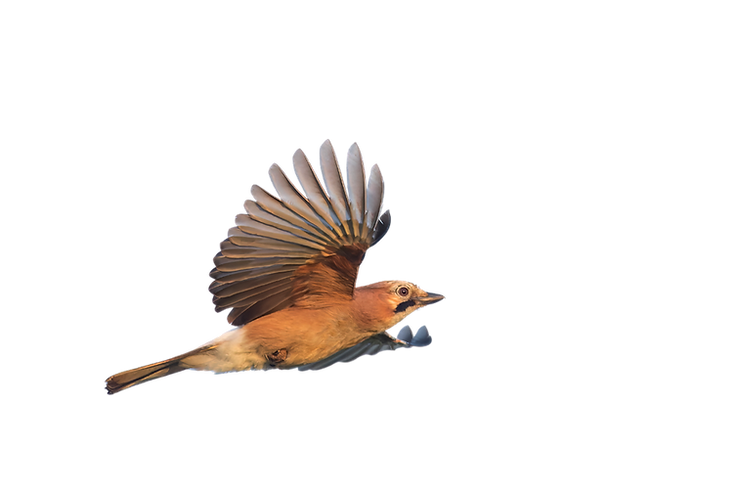
All-black glossy plumage with a purple-blue iridescence; large heavy bill; shaggy throat feathers (hackles); distinctive wedge-shaped tail
ADAPTATIONS
One of the largest-brained birds relative to body size; problem-solving capability rivals great apes; sophisticated social play including aerial rolling
🌿 Ecology
HABITAT
Generalist inhabiting virtually every Canadian habitat from tundra to temperate forest to city; scavenges landfills and campgrounds readily
DIET
Omnivore
GEOGRAPHIC RANGE
Holarctic; found throughout Canada from southern forests to the High Arctic — one of the most widespread birds in the world
REPRODUCTION
Monogamous pair nests on cliff ledges or in large trees; 3–7 eggs; chicks fledge at 6 weeks; mate for life
DIET DETAILS
Carrion, garbage, berries, insects, small mammals, bird eggs, and virtually anything edible
⚠️ Threats & Conservation
PRIMARY THREATS
Generally thriving; benefiting from human food waste and expanding into previously treeless areas with climate-driven shrub expansion
💡 Interesting Facts
1
Ravens are central figures in the creation mythologies of almost every Northwest Coast and Northern First Nation; in the Haida tradition, Raven stole the sun to bring light to the world.
2
Ravens have been documented using tools, planning for the future, and teaching their offspring — cognitive abilities previously thought unique to humans and great apes.
🔭 Sighting Guide
📍 BEST PLACES TO SIGHT
Whitehorse, YT, has resident Ravens that are year-round fixtures in the city and surrounding boreal forest
Kluane National Park near Haines Junction, YT, has Ravens throughout the alpine and boreal zones
Tuktoyaktuk, NT, on the Arctic Ocean coast has Ravens as the only year-round resident passerine
🗓️ BEST TIME TO SIGHT
Resident year-round across all of Canada; Whitehorse and Yellowknife residents see them daily; best behaviours visible on cold clear winter mornings.
🎯 SIGHTING TIPS
Year-round. Present everywhere from the High Arctic to temperate forests; bold individuals approach camps and picnic areas daily.