Home › Aves › Phoenicopteridae › Andean Flamingo (Phoenicoparrus andinus)
SPECIES PROFILE
Andean Flamingo (Phoenicoparrus andinus)
Phoenicoparrus
IUCN STATUS
Vulnerable

CONSERVATION STATUS
Vulnerable
CLASS
Aves
GEOGRAPHICAL RANGE
High Andes of Peru, Bolivia, Chile, Argentina
DIET
Herbivorous (filter feeder)
HABITAT
High Andean salt lakes and lagoons
🔬 Classification
PHYLUM
Chordata
CLASS
Aves
ORDER
Phoenicopteriformes
FAMILY
Phoenicopteridae
GENUS
Phoenicoparrus
📋 Description
SIZE
Up to 1.1 m tall
COLORATION
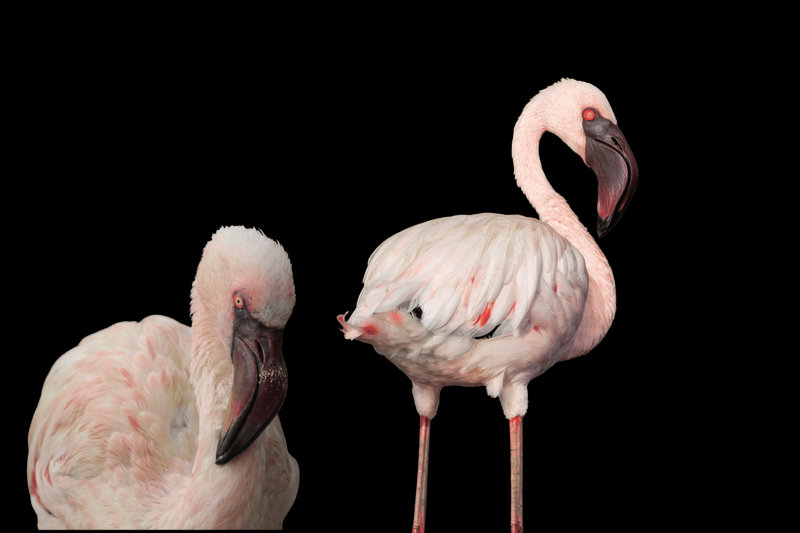
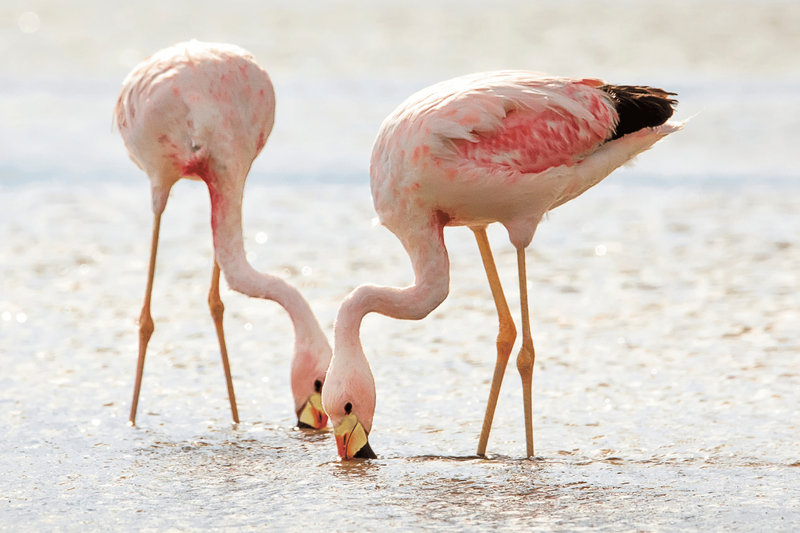
Pale pink with a deep wine-red neck and black-tipped wings; yellow legs
ADAPTATIONS
Filter-feeds with a specialised bill; tolerates freezing, salty lakes at 4,000 m
🌿 Ecology
HABITAT
High Andean salt lakes and lagoons
DIET
Herbivorous (filter feeder)
GEOGRAPHIC RANGE
High Andes of Peru, Bolivia, Chile, Argentina
REPRODUCTION
Single egg on a mud mound
DIET DETAILS
Microscopic algae and diatoms
⚠️ Threats & Conservation
PRIMARY THREATS
Mining, water extraction, egg collection
💡 Interesting Facts
1
The rarest of the world's flamingos, it lives on lakes so salty and high that few other birds survive there.
2
It is the only flamingo with yellow legs and a three-toed foot.
🔭 Sighting Guide
📍 BEST PLACES TO SIGHT
Laguna Colorada
Eduardo Avaroa Reserve
🗓️ BEST TIME TO SIGHT
November-April
🎯 SIGHTING TIPS
Visit high-altitude salt lakes in the morning when winds are calm and flocks feed close to shore.