Home › Mammalia › Phocidae › Harbor Seal (Phoca vitulina)
SPECIES PROFILE
Harbor Seal (Phoca vitulina)
Phoca
IUCN STATUS
Least Concern

CONSERVATION STATUS
Least Concern
CLASS
Mammalia
GEOGRAPHICAL RANGE
North Atlantic and North Pacific coasts; in the US abundant from Maine to New York and from Alaska to California
DIET
Carnivore
HABITAT
Coastal waters, estuaries, rocky beaches, and sand bars; hauls out on exposed rocks, jetties, and beaches
🔬 Classification
PHYLUM
Chordata
CLASS
Mammalia
ORDER
Carnivora
FAMILY
Phocidae
GENUS
Phoca
📋 Description
SIZE
1.5–1.9 m; 55–170 kg
COLORATION
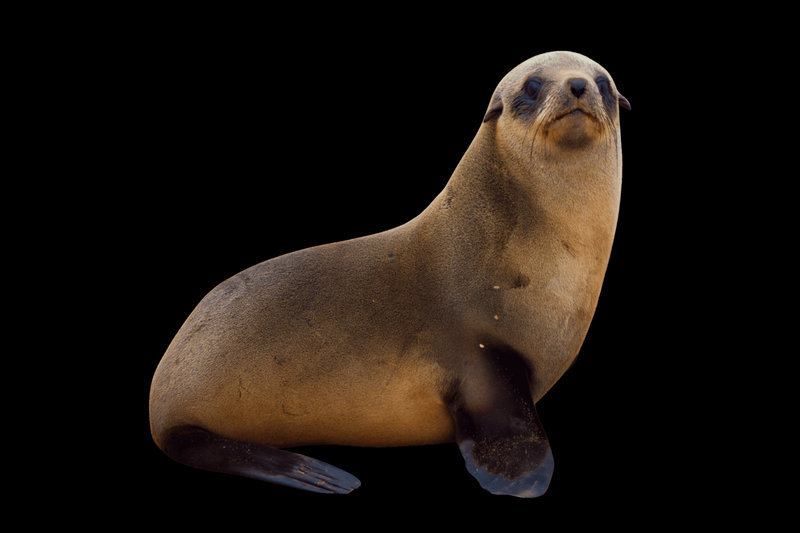
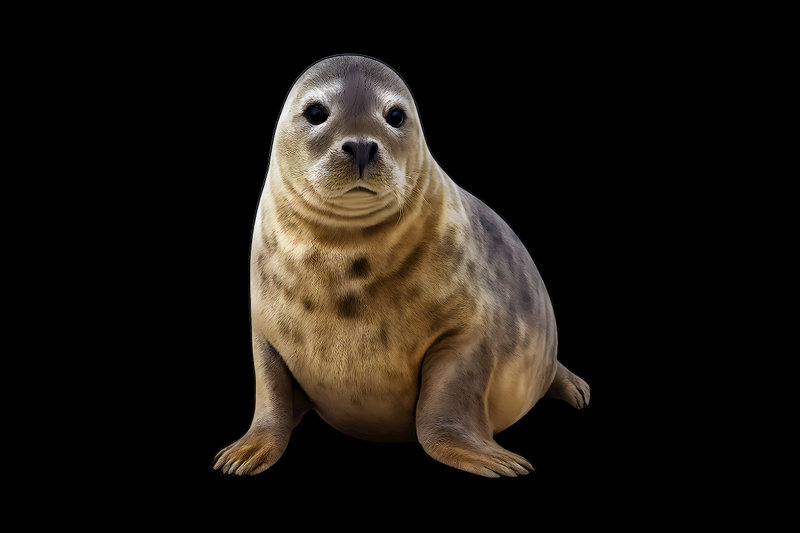
Variable grey to tan with darker spots and blotches; large dark eyes; V-shaped nostrils; stubby front flippers
ADAPTATIONS
Can dive to 600 m and hold its breath for 28 minutes; pupils dilate enormously for low-light hunting; whiskers detect vibrations from fish
🌿 Ecology
HABITAT
Coastal waters, estuaries, rocky beaches, and sand bars; hauls out on exposed rocks, jetties, and beaches
DIET
Carnivore
GEOGRAPHIC RANGE
North Atlantic and North Pacific coasts; in the US abundant from Maine to New York and from Alaska to California
REPRODUCTION
Single pup born on land May to June; pup can swim within hours; weaned in 4–6 weeks; mother does not eat during nursing
DIET DETAILS
Fish (herring, sand lance, hake, flounder), squid, and crustaceans located by sensitive whiskers and underwater vision
⚠️ Threats & Conservation
PRIMARY THREATS
Historical hunting for pelts; bycatch in fishing gear; prey depletion; disturbance at haul-out sites; disease epidemics
💡 Interesting Facts
1
Harbor Seals can hold their breath for up to 28 minutes and dive to 600 m by slowing their heart rate to just 4 beats per minute during deep dives.
2
Harbor Seals use their whiskers (vibrissae) to detect the hydrodynamic wake of fish that swam by up to 30 seconds earlier — they can track prey in complete darkness.
🔭 Sighting Guide
📍 BEST PLACES TO SIGHT
Chatham Fish Pier near Chatham, MA, has large Harbor Seal haul-outs visible from the public pier year-round
Acadia National Park near Bar Harbor, ME, has Harbor Seals at rocky haul-out sites along the coast
Race Point Beach in Cape Cod National Seashore, MA, has Harbor Seals visible from the beach
🗓️ BEST TIME TO SIGHT
Year-round at Chatham, MA, and along the Maine coast; May and June for pupping season; best viewing from shore with binoculars.
🎯 SIGHTING TIPS
Year-round on rocky coasts; haul-out sites peak in May to June for pupping; Maine coast, Cape Cod, and the Pacific Northwest.
🏨 Where to Stay
🐾 You Might Also Want to See...

Species
Range
Status
Species
Range
Status
Species
Range
Status
Species
Range
Status