Home › Mammalia › Otariidae › Australian Sea Lion (Neophoca cinerea)
SPECIES PROFILE
Australian Sea Lion (Neophoca cinerea)
Neophoca
IUCN STATUS
Endangered

CONSERVATION STATUS
Endangered
CLASS
Mammalia
GEOGRAPHICAL RANGE
Southern and southwestern Australian coasts
DIET
Carnivorous
HABITAT
Coastal, sandy beaches, and rocky islands for breeding
🔬 Classification
PHYLUM
Chordata
CLASS
Mammalia
ORDER
Carnivora
FAMILY
Otariidae
GENUS
Neophoca
📋 Description
SIZE
Males 2.5 meters, 360 kg; females 1.8 meters, 110 kg
COLORATION
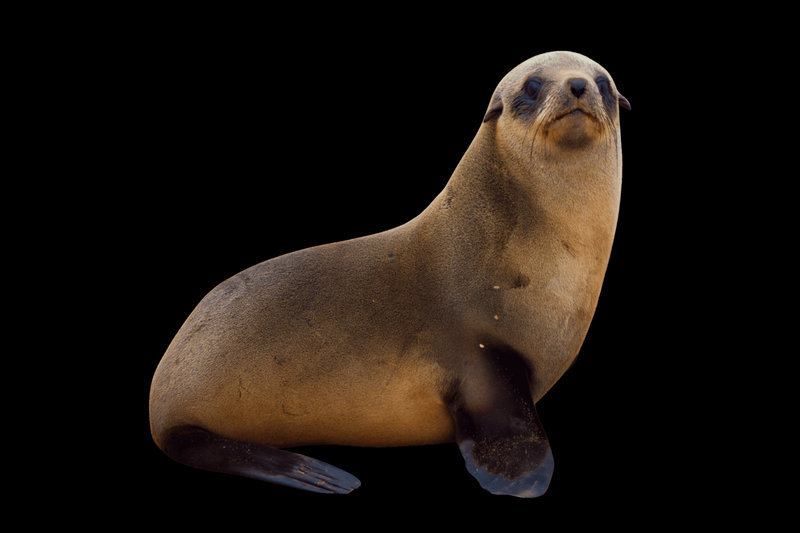
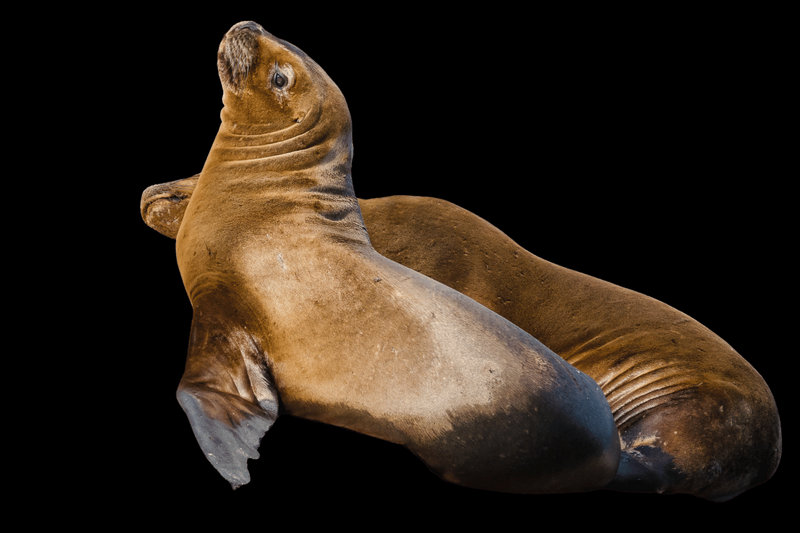
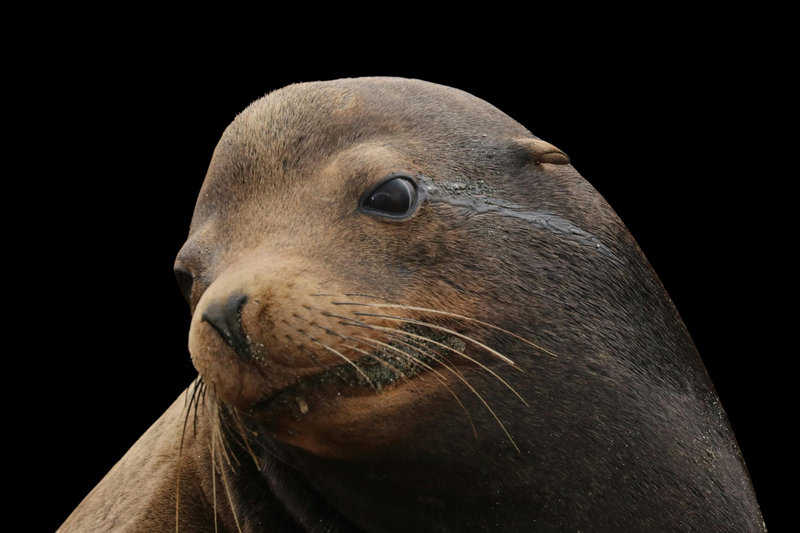
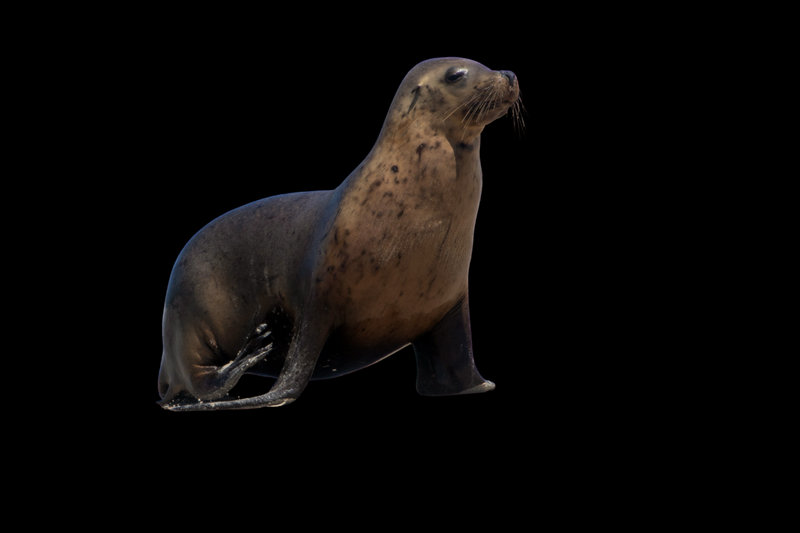
Sandy to dark brown, lighter underparts; males have a mane
ADAPTATIONS
Strong flippers for swimming, agile on land
🌿 Ecology
HABITAT
Coastal, sandy beaches, and rocky islands for breeding
DIET
Carnivorous
GEOGRAPHIC RANGE
Southern and southwestern Australian coasts
REPRODUCTION
Longest breeding cycle, females birth every 17-18 months
DIET DETAILS
Eats fish, squid, and crustaceans
⚠️ Threats & Conservation
PRIMARY THREATS
Bycatch in fisheries, human disturbance, habitat degradation
💡 Interesting Facts
1
Coastal Hunters: Australian sea lions dive 150 meters, catching 15 kg of fish daily off Seal Bay, their 360 kg bodies swimming at 25 km/h. With 12,000 left, bycatch kills 500 yearly, but conservation at Dangerous Reef reduces fishery impacts.
2
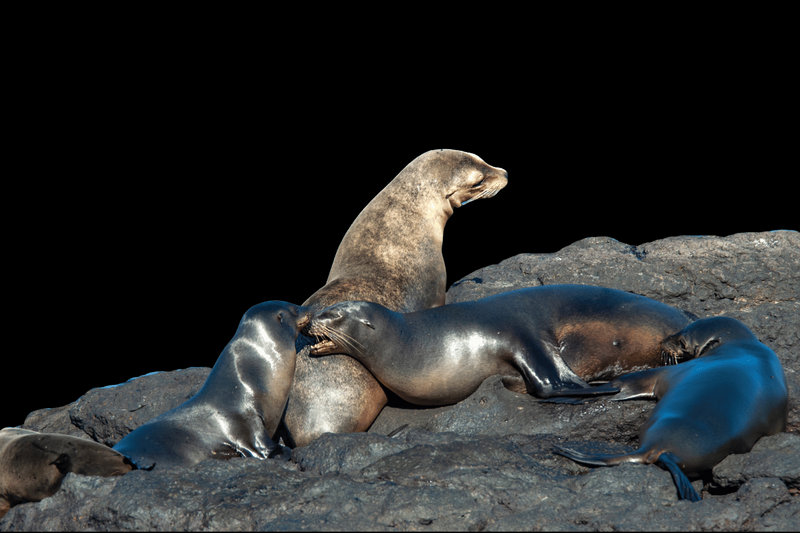
Vocal Colonies: Males bark at 100 decibels in Jurien Bay, defending 10-pup colonies, their manes signaling dominance. Their 17-month breeding cycle, unique among seals, slows recovery, with tourism at Spencer Gulf aiding protection efforts.
🔭 Sighting Guide
📍 BEST PLACES TO SIGHT
Seal Bay Conservation Park on South Australia Kangaroo Island offers guided tours for sea lion sightings year-round
Dangerous Reef in South Australia Spencer Gulf provides boat tours for sea lion sightings
Jurien Bay Marine Park in Western Australia north of Perth features Fisherman Island for sea lion sightings
🗓️ BEST TIME TO SIGHT
September-March. Breeding season increases sea lion activity on beaches for mating and pupping.
🎯 SIGHTING TIPS
Join guided tours at Seal Bay, Spencer Gulf or Fisherman Island at dusk to observe sea lions hauled out on rocks.