Home › Mammalia › Otariidae › California Sea Lion (Zalophus californianus)
SPECIES PROFILE
California Sea Lion (Zalophus californianus)
Zalophus
IUCN STATUS
Least Concern

CONSERVATION STATUS
Least Concern
CLASS
Mammalia
GEOGRAPHICAL RANGE
Pacific coast from British Columbia to southern Mexico; Gulf of California has major breeding colonies
DIET
Carnivore
HABITAT
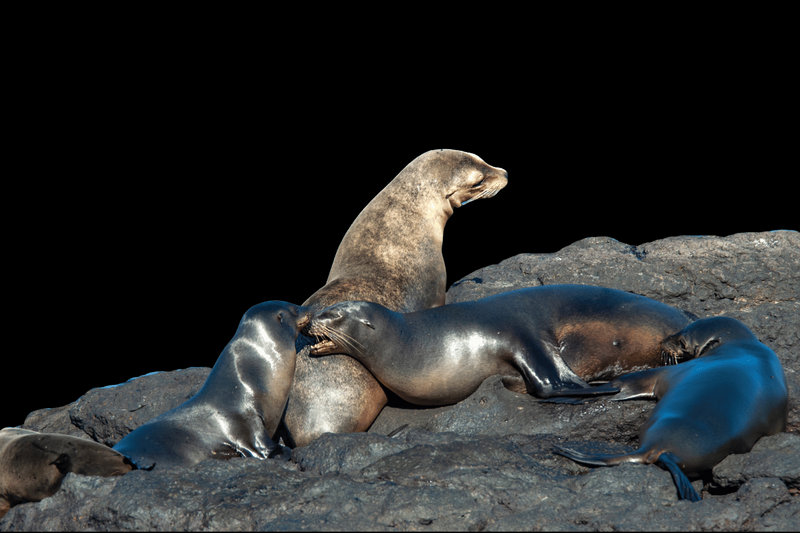
Rocky coastlines, sandy beaches, and offshore islands; hauls out communally; forages in coastal and pelagic waters
🔬 Classification
PHYLUM
Chordata
CLASS
Mammalia
ORDER
Carnivora
FAMILY
Otariidae
GENUS
Zalophus
📋 Description
SIZE
Males 2.4 m, 200–390 kg; females 1.8 m, 50–110 kg
COLORATION
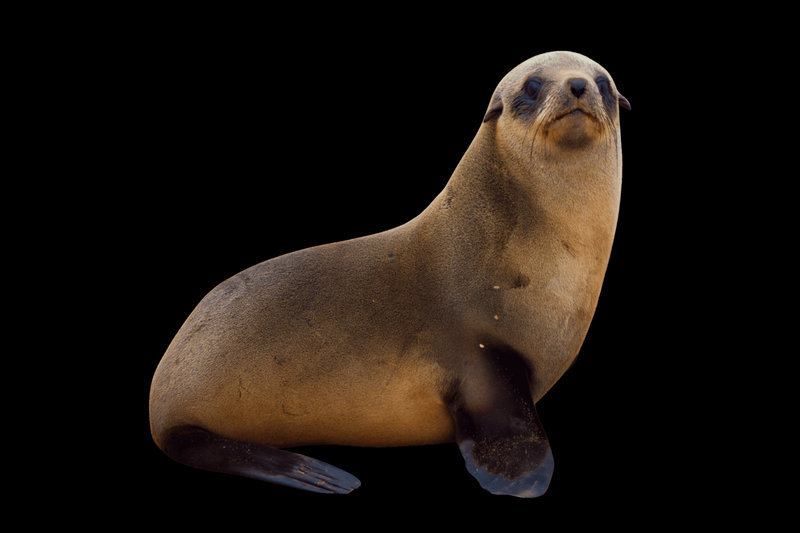
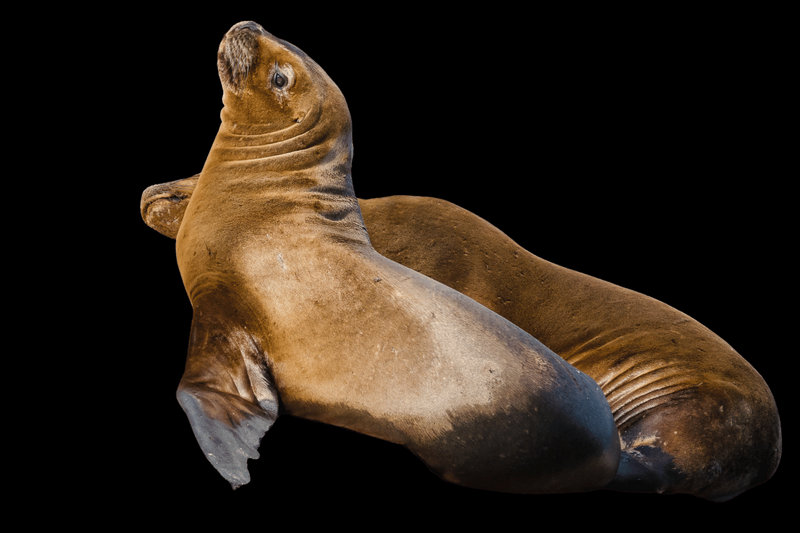
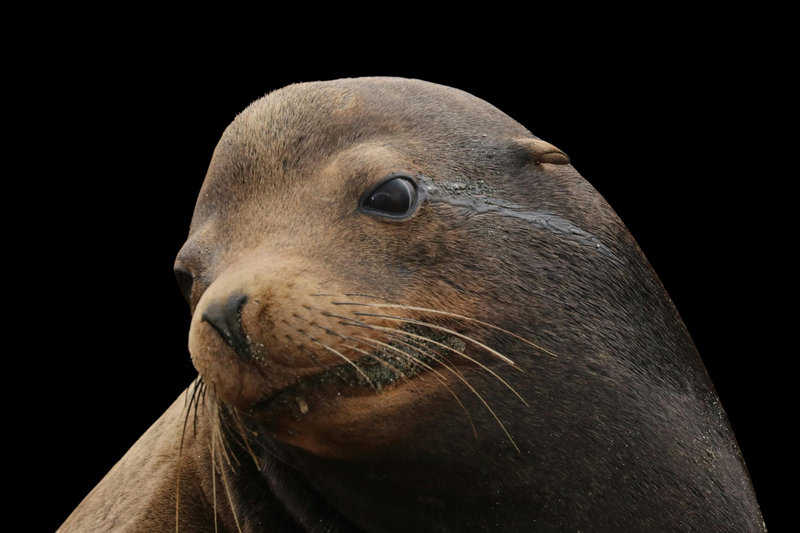
Chocolate brown when dry; dark when wet; males develop a prominent sagittal crest (bump on forehead) with age; long fore flippers
ADAPTATIONS
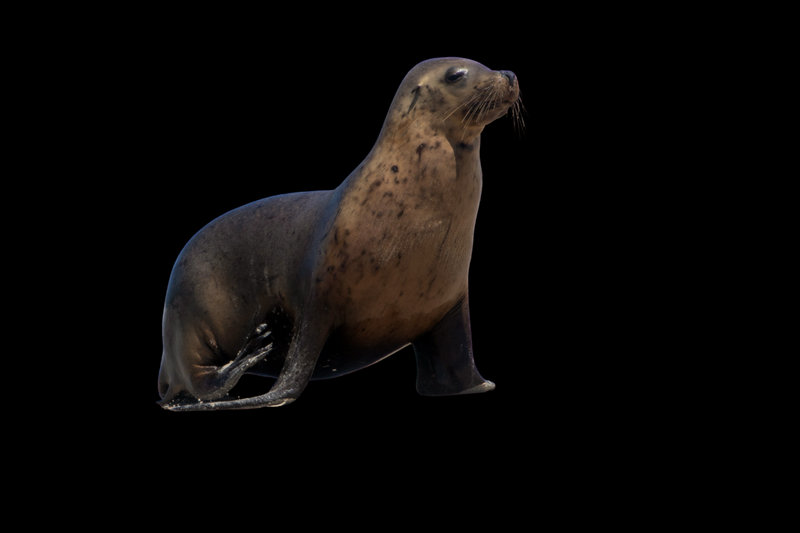
Highly agile underwater; can rotate hind flippers forward for walking on land; uses whiskers to detect fish in murky water; extremely social and vocal
🌿 Ecology
HABITAT
Rocky coastlines, sandy beaches, and offshore islands; hauls out communally; forages in coastal and pelagic waters
DIET
Carnivore
GEOGRAPHIC RANGE
Pacific coast from British Columbia to southern Mexico; Gulf of California has major breeding colonies
REPRODUCTION
Pups born June to July on rookery beaches; males defend territories vigorously; pups nurse for 6–12 months while mothers alternate foraging
DIET DETAILS
Fish, squid, and octopus; cooperatively herds schooling fish; can dive to 300 m
⚠️ Threats & Conservation
PRIMARY THREATS
Entanglement in fishing gear; prey depletion; El Niño events reducing prey availability; historical hunting for hides and oil
💡 Interesting Facts
1
California Sea Lions are the most commonly trained marine mammals in aquariums and circuses due to their intelligence; wild individuals also spontaneously perform for boats hoping for fish scraps.
2
Sea lions are the only pinnipeds that can rotate their hind flippers forward to "walk" on land with a four-limbed gait — true seals cannot do this and must wriggle on their bellies.
🔭 Sighting Guide
📍 BEST PLACES TO SIGHT
Los Islotes islets near La Paz, BCS, have a permanent sea lion colony where snorkellers can swim with playful juveniles
Isla Espíritu Santo near La Paz, BCS, has sea lion haul-outs along rocky shores accessible by kayak and boat
Isla San Jorge near Puerto Peñasco, Sonora, is a major northern Gulf sea lion rookery
🗓️ BEST TIME TO SIGHT
Year-round at Los Islotes near La Paz, BCS; snorkelling tours from La Paz depart daily for close encounters with playful juveniles.
🎯 SIGHTING TIPS
Year-round. Los Islotes in the Sea of Cortez has the most accessible and photogenic colony; snorkelling with sea lions is world-famous.