top of page

Home › Aves › Picidae › Yellow-crowned Woodpecker (Leiopicus mahrattensis)

SPECIES PROFILE

Yellow-crowned Woodpecker (Leiopicus mahrattensis)

Leiopicus

IUCN STATUS

Least Concern

paw print_edited.png
Yellow-crowned Woodpecker (Leiopicus mahrattensis) — Indian subcontinent

CONSERVATION STATUS

Least Concern

CLASS

Aves

GEOGRAPHICAL RANGE

Indian subcontinent

DIET

Carnivorous

HABITAT

Dry woodlands scrub urban parks

🔬 Classification

PHYLUM

Chordata

CLASS

Aves

ORDER

Piciformes

FAMILY

Picidae

GENUS

Leiopicus

📋 Description

SIZE

17-18 cm long 30-50 g

COLORATION

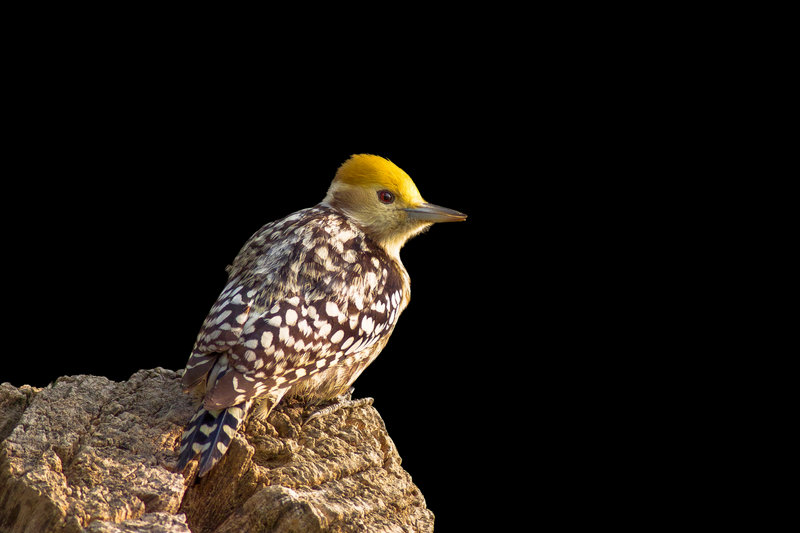
Brown with yellow crown white underparts barred wings

ADAPTATIONS

Strong bill for drumming chisel-like for insects

🌿 Ecology

HABITAT

Dry woodlands scrub urban parks

DIET

Carnivorous

GEOGRAPHIC RANGE

Indian subcontinent

REPRODUCTION

Lays 2-3 eggs in tree cavities incubated 12-14 days

DIET DETAILS

Insects larvae ants termites

⚠️ Threats & Conservation

PRIMARY THREATS

Deforestation habitat loss

💡 Interesting Facts

1

Yellow-crowned Drummers: Yellow-crowned Woodpeckers chisel with 40-gram bodies eating 12 grams of insects daily in Rajasthan's dry woodlands. Males' yellow crowns are bright.

2

Cavity Excavators: These woodpeckers cover 2000 sq km in Gujarat's scrub nesting in dead trees. Urban sprawl threatens their sites.

🔭 Sighting Guide

📍 BEST PLACES TO SIGHT

Ranthambore National Park in Rajasthan

Jamnagar in Gujarat

Jorbeer Conservation Reserve in Rajasthan

🗓️ BEST TIME TO SIGHT

Year-round Dry woodlands ensure visibility for spotting woodpeckers

🎯 SIGHTING TIPS

Listen for yellow-crowned woodpeckers' drumming on trees
🏨 Where to Stay
📍
Ranthambore National Park in Rajasthan
India
📍
Jamnagar in Gujarat
India
📍
Jorbeer Conservation Reserve in Rajasthan
India
🐾 You Might Also Want to See...
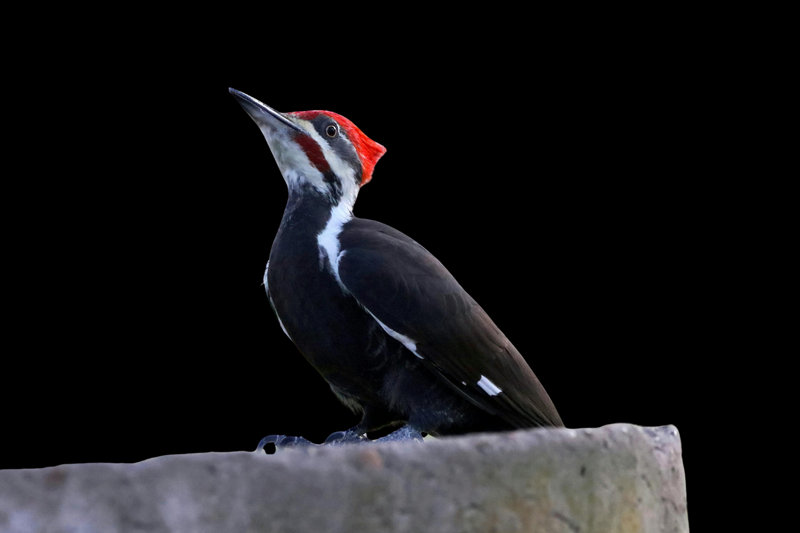
Pileated Woodpecker (Dryocopus pileatus)

Pileated Woodpecker (Dryocopus pileatus)

Mature forest across much of North America from the Pacific Northwest to Florida and northeastern Canada

Least Concern

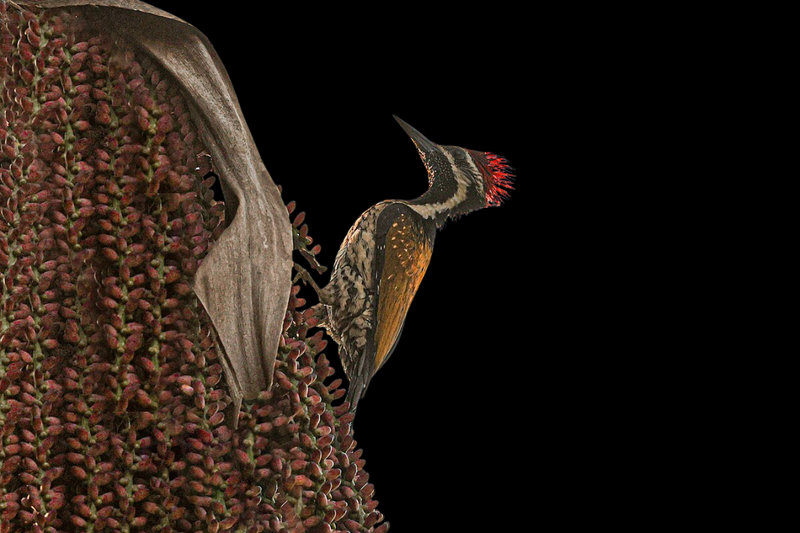
Black-rumped Flameback (Dinopium benghalense)

Black-rumped Flameback (Dinopium benghalense)

Indian subcontinent southeast Asia

Least Concern

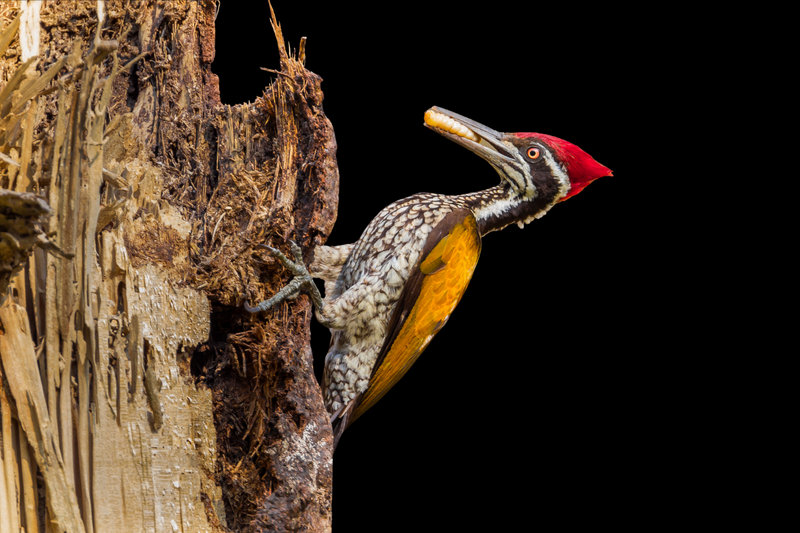
White-naped Woodpecker (Chrysocolaptes festivus)

White-naped Woodpecker (Chrysocolaptes festivus)

Indian subcontinent Sri Lanka

Vulnerable

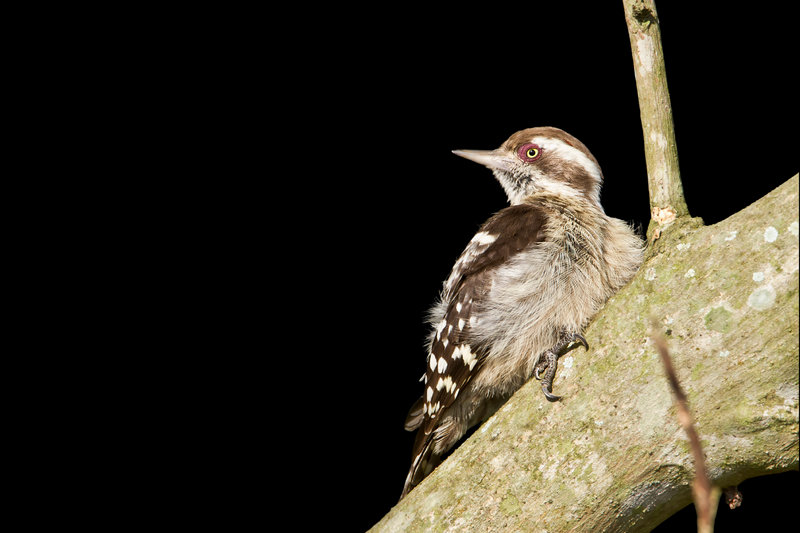
Brown-capped Pygmy Woodpecker (Yungipicus nanus)

Brown-capped Pygmy Woodpecker (Yungipicus nanus)

Indian subcontinent southeast Asia

Least Concern

More wildlife in India
Indian Pond-Heron (Ardeola grayii)

Indian Pond-Heron (Ardeola grayii)

Grey Heron (Ardea cinerea)

Grey Heron (Ardea cinerea)

Cinnamon Bittern (Ixobrychus cinnamomeus)

Cinnamon Bittern (Ixobrychus cinnamomeus)

Little Tern (Sternula albifrons)

Little Tern (Sternula albifrons)

Other Least Concern species
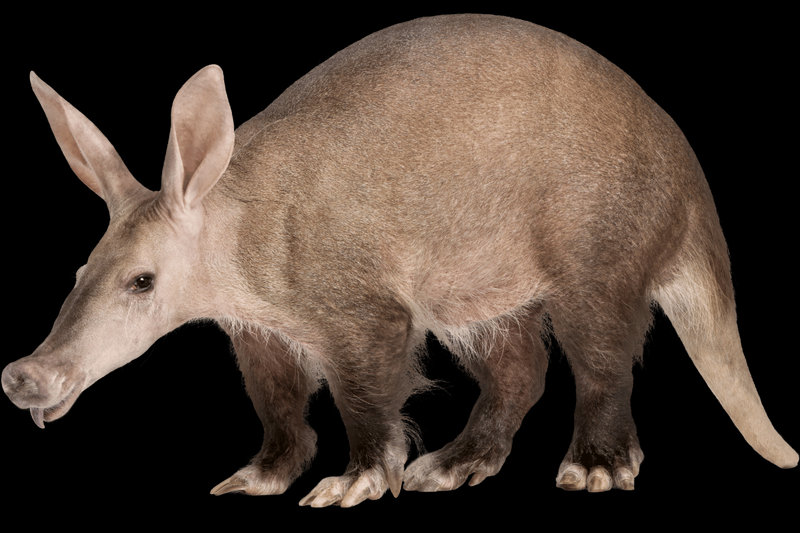
Aardvark (Orycteropus afer)

Aardvark (Orycteropus afer)

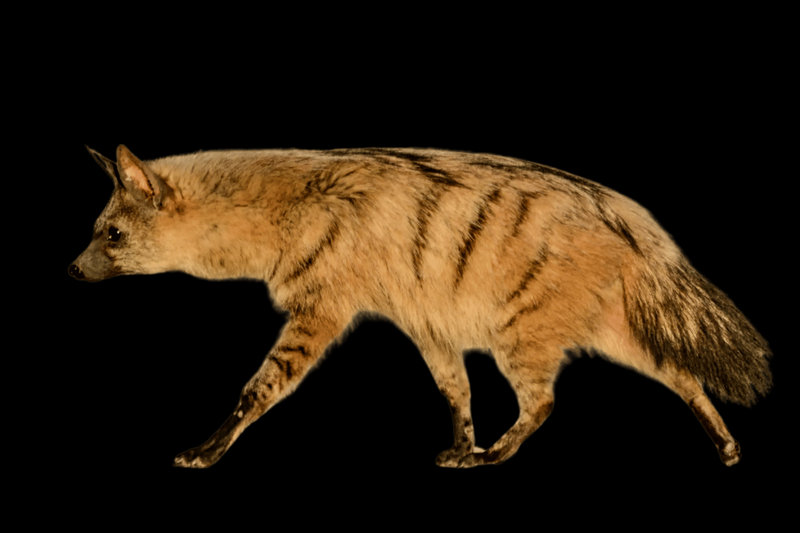
Aardwolf (Proteles cristata)

Aardwolf (Proteles cristata)

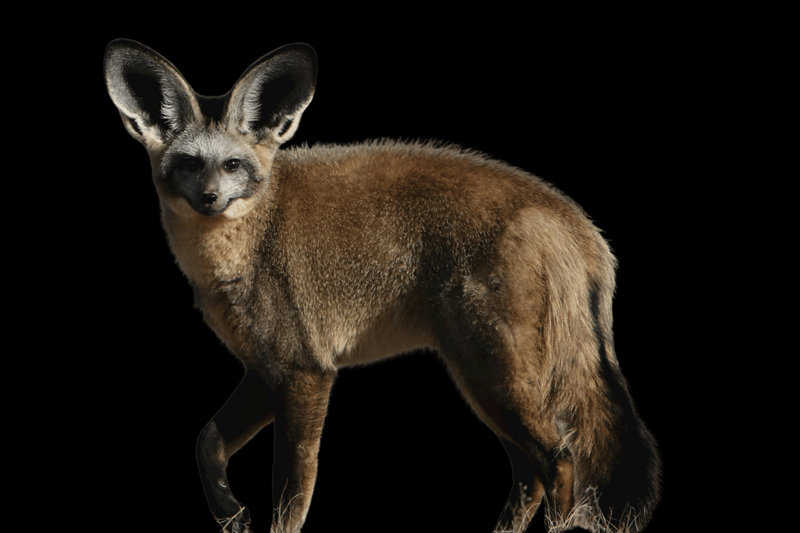
Bat-eared Fox (Otocyon megalotis)

Bat-eared Fox (Otocyon megalotis)

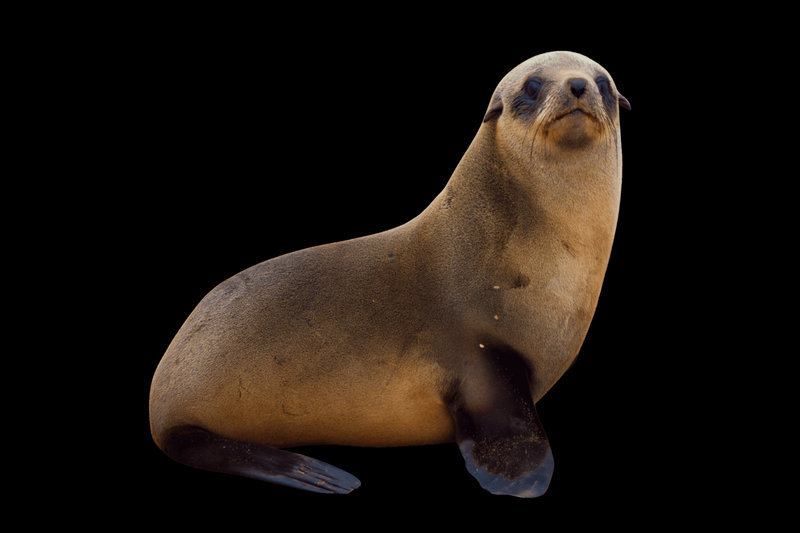
Cape Fur Seal (Arctocephalus pusillus)

Cape Fur Seal (Arctocephalus pusillus)

CONTINUE EXPLORING

Discover more wildlife experiences

bottom of page