Home › Aves › Charadriidae › Piping Plover (Charadrius melodus)
SPECIES PROFILE
Piping Plover (Charadrius melodus)
Charadrius
IUCN STATUS
Endangered

CONSERVATION STATUS
Endangered
CLASS
Aves
GEOGRAPHICAL RANGE
Atlantic coast and Great Lakes; Canadian breeders on PEI, Nova Scotia, Magdalen Islands, and the Great Lakes shore
DIET
Carnivore
HABITAT
Sandy ocean beaches and lake shores; nests above the high-tide line in open sand with sparse vegetation
🔬 Classification
PHYLUM
Chordata
CLASS
Aves
ORDER
Charadriiformes
FAMILY
Charadriidae
GENUS
Charadrius
📋 Description
SIZE
17–18 cm; 42–64 g
COLORATION
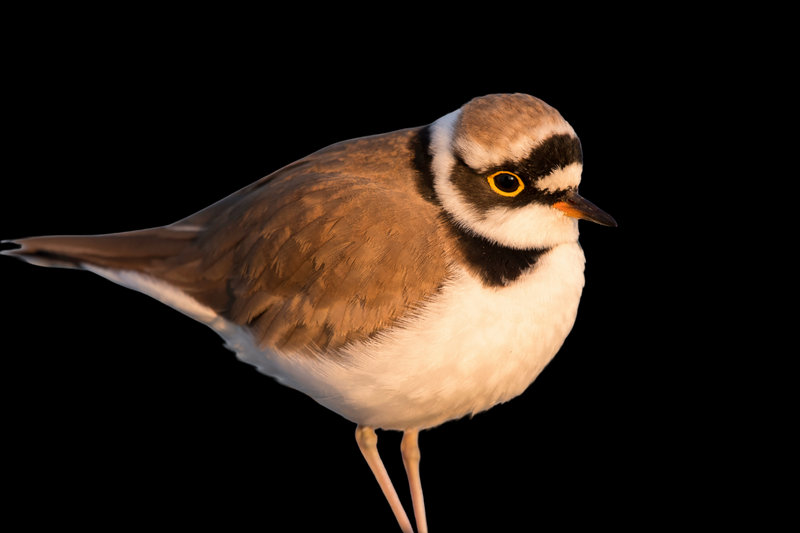
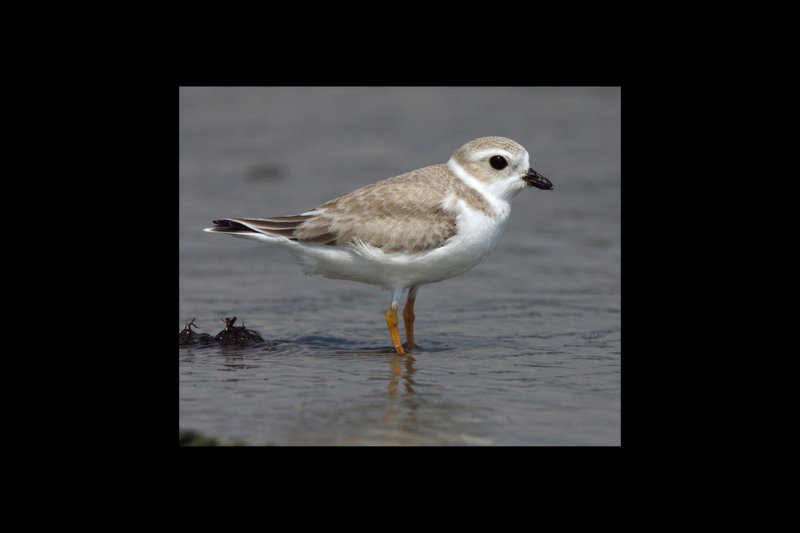
Sandy beige above and white below; black breast band in breeding season; orange legs and an orange bill with a black tip
ADAPTATIONS
Nest is a simple scrape in open sand; cryptic plumage matches sand almost perfectly; broken-wing display draws predators from nest
🌿 Ecology
HABITAT
Sandy ocean beaches and lake shores; nests above the high-tide line in open sand with sparse vegetation
DIET
Carnivore
GEOGRAPHIC RANGE
Atlantic coast and Great Lakes; Canadian breeders on PEI, Nova Scotia, Magdalen Islands, and the Great Lakes shore
REPRODUCTION
Four eggs in a shallow scrape; both parents incubate; chicks leave the nest within hours; one brood per year
DIET DETAILS
Marine invertebrates, worms, insects, and small crustaceans picked from the surface of wet sand
⚠️ Threats & Conservation
PRIMARY THREATS
Human disturbance on beaches; off-road vehicles crushing nests; predation by foxes, crows, and gulls; storm overwash
💡 Interesting Facts
1
The Piping Plover's sandy camouflage is so effective that beachgoers regularly walk within centimetres of nests without noticing; the birds are more often heard than seen.
2
PEI National Park closes sections of Cavendish Beach during nesting season and its monitoring programme has helped the Maritimes population stabilise in recent years.
🔭 Sighting Guide
📍 BEST PLACES TO SIGHT
Prince Edward Island National Park near Charlottetown, PEI, is the most accessible Piping Plover nesting beach in Atlantic Canada
Magdalen Islands, QC, has Piping Plovers nesting on sandspits and barrier beaches
Kejimkujik National Park Seaside Adjunct near Liverpool, NS, has a Piping Plover nesting area on remote beaches
🗓️ BEST TIME TO SIGHT
Late April to July; Prince Edward Island National Park beaches and Cavendish Sandspit are key nesting sites; nests are roped off to protect them.
🎯 SIGHTING TIPS
Summer. Breed on sandy beaches in PEI and the Magdalen Islands from May to August; look for tiny pale birds running at the tideline.