Home › Aves › Charadriidae › Red-wattled Lapwing (Vanellus indicus)
SPECIES PROFILE
Red-wattled Lapwing (Vanellus indicus)
Vanellus
IUCN STATUS
Least Concern

CONSERVATION STATUS
Least Concern
CLASS
Aves
GEOGRAPHICAL RANGE
West Asia South Asia including India Sri Lanka
DIET
Carnivorous
HABITAT
Wet open country ploughed fields grazing land tank margins forest clearings
🔬 Classification
PHYLUM
Chordata
CLASS
Aves
ORDER
Charadriiformes
FAMILY
Charadriidae
GENUS
Vanellus
📋 Description
SIZE
32-35 cm long 150-250 g
COLORATION
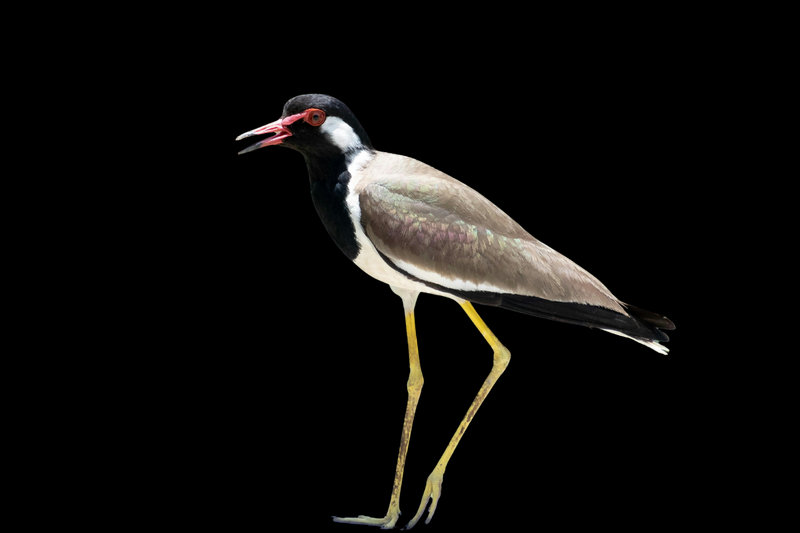
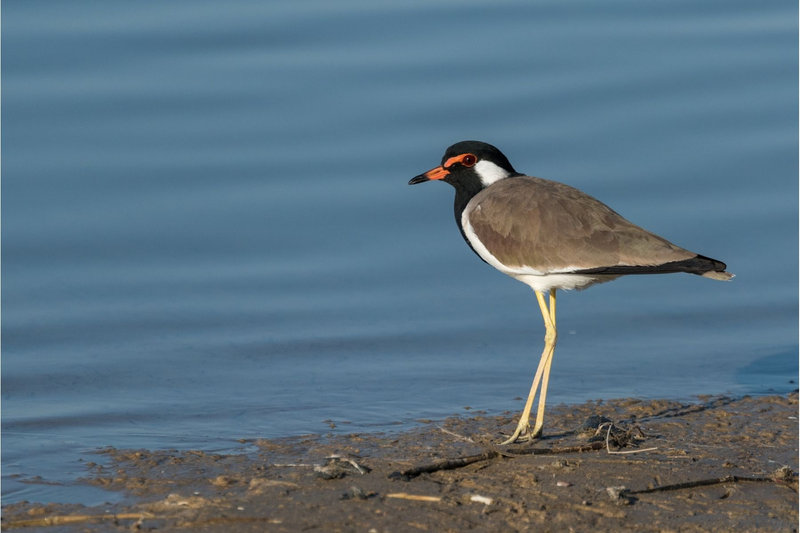
Light brown wings back purple green sheen black head neck white patch red wattle black-tipped red bill yellow legs
ADAPTATIONS
Incapable of perching uses ground scrapes for nesting camouflaged eggs dives at predators soaks belly for cooling feeds at night
🌿 Ecology
HABITAT
Wet open country ploughed fields grazing land tank margins forest clearings
DIET
Carnivorous
GEOGRAPHIC RANGE
West Asia South Asia including India Sri Lanka
REPRODUCTION
Lays 3-4 blotched eggs in ground scrape incubated 28-30 days by both parents
DIET DETAILS
Insects snails invertebrates grains mostly from ground
⚠️ Threats & Conservation
PRIMARY THREATS
Predation egg collection agricultural operations
💡 Interesting Facts
1
Alert Sentinels: Red-wattled Lapwings call loudly with 200-gram bodies eating 40 grams of insects daily in central India's fields. Their red wattles warn of danger.
2
Night Foragers: These lapwings cover 6000 sq km in northeast wetlands nesting on open ground. Habitat loss threatens their broods.
🔭 Sighting Guide
📍 BEST PLACES TO SIGHT
Central India fields
Northeast India wetlands
Southern India plains
🗓️ BEST TIME TO SIGHT
October-March Dry season concentrates prey for spotting lapwings
🎯 SIGHTING TIPS
Listen for red-wattled lapwings' alarm calls near waterbodies