Home › Mammalia › Canidae › Arctic Fox (Vulpes lagopus)
SPECIES PROFILE
Arctic Fox (Vulpes lagopus)
Vulpes
IUCN STATUS
Least Concern

CONSERVATION STATUS
Least Concern
CLASS
Mammalia
GEOGRAPHICAL RANGE
Arctic regions (Scandinavia, Russia, Svalbard)
DIET
Carnivorous
HABITAT
Arctic tundra, coastal areas
🔬 Classification
PHYLUM
Chordata
CLASS
Mammalia
ORDER
Carnivora
FAMILY
Canidae
GENUS
Vulpes
📋 Description
SIZE
45-70 cm body, 3-8 kg
COLORATION
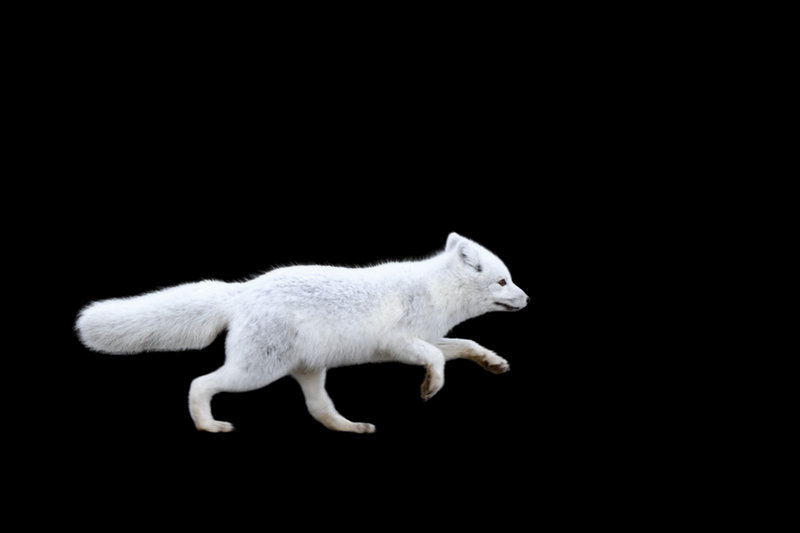
White in winter, brown/grey in summer
ADAPTATIONS
Thick fur, small ears, furry feet for snow
🌿 Ecology
HABITAT
Arctic tundra, coastal areas
DIET
Carnivorous
GEOGRAPHIC RANGE
Arctic regions (Scandinavia, Russia, Svalbard)
REPRODUCTION
4-10 kits, 1 litter per year
DIET DETAILS
Lemmings, birds, carrion
⚠️ Threats & Conservation
PRIMARY THREATS
Climate change, reduced sea ice
💡 Interesting Facts
1
Arctic foxes change coat colour twice a year for perfect camouflage. They have the warmest fur of any mammal and can survive -70°C. They follow polar bears to scavenge kills.
2
They are the only canid that turns white in winter and are famous for their playful “sky-diving” behaviour when hunting lemmings.
🔭 Sighting Guide
📍 BEST PLACES TO SIGHT
Svalbard Norway
Varanger Peninsula Norway
Finnish Lapland
🗓️ BEST TIME TO SIGHT
Year-round (winter for white coat)
🎯 SIGHTING TIPS
Look for white foxes on tundra or coastal cliffs; best in winter snow.