Home › Mammalia › Canidae › Gray Wolf (Canis lupus)
SPECIES PROFILE
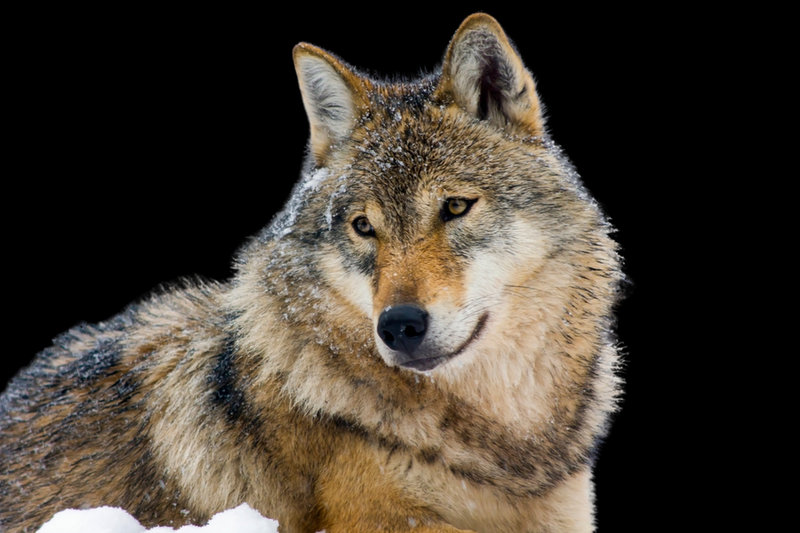
Gray Wolf (Canis lupus)
Canis
IUCN STATUS
Least Concern

CONSERVATION STATUS
Least Concern
CLASS
Mammalia
GEOGRAPHICAL RANGE
Europe (reintroduced), Asia, North America
DIET
Carnivorous
HABITAT
Forests, mountains, remote wilderness
🔬 Classification
PHYLUM
Chordata
CLASS
Mammalia
ORDER
Carnivora
FAMILY
Canidae
GENUS
Canis
📋 Description
SIZE
100-160 cm body, 25-80 kg
COLORATION
Grey, black, white variations
ADAPTATIONS
Pack hunter, strong jaws, endurance running
🌿 Ecology
HABITAT
Forests, mountains, remote wilderness
DIET
Carnivorous
GEOGRAPHIC RANGE
Europe (reintroduced), Asia, North America
REPRODUCTION
4-7 pups, 1 litter per year
DIET DETAILS
Deer, wild boar, livestock
⚠️ Threats & Conservation
PRIMARY THREATS
Persecution, habitat loss, human-wildlife conflict
💡 Interesting Facts
1
Gray wolves live in tight family packs and hunt cooperatively. They can travel 50 km in a day. They have been persecuted for centuries but are now returning to many parts of Europe.
2
They are the largest wild canid in Europe and play a vital role in balancing ecosystems by controlling deer numbers.
🔭 Sighting Guide
📍 BEST PLACES TO SIGHT
Abruzzo National Park Italy
Carpathian Mountains Romania
Scandinavian wolf areas
🗓️ BEST TIME TO SIGHT
Year-round
🎯 SIGHTING TIPS
Very rare; listen for howls in remote mountains at night.