Home › Mammalia › Soricidae › Apennine Shrew (Sorex samniticus)
SPECIES PROFILE
Apennine Shrew (Sorex samniticus)
Sorex
IUCN STATUS
Least Concern


CONSERVATION STATUS
Least Concern
CLASS
Mammalia
GEOGRAPHICAL RANGE
Endemic to Apennine Mountains Italy
DIET
Insectivorous
HABITAT
Mountain forests, meadows
🔬 Classification
PHYLUM
Chordata
CLASS
Mammalia
ORDER
Eulipotyphla
FAMILY
Soricidae
GENUS
Sorex
📋 Description
SIZE
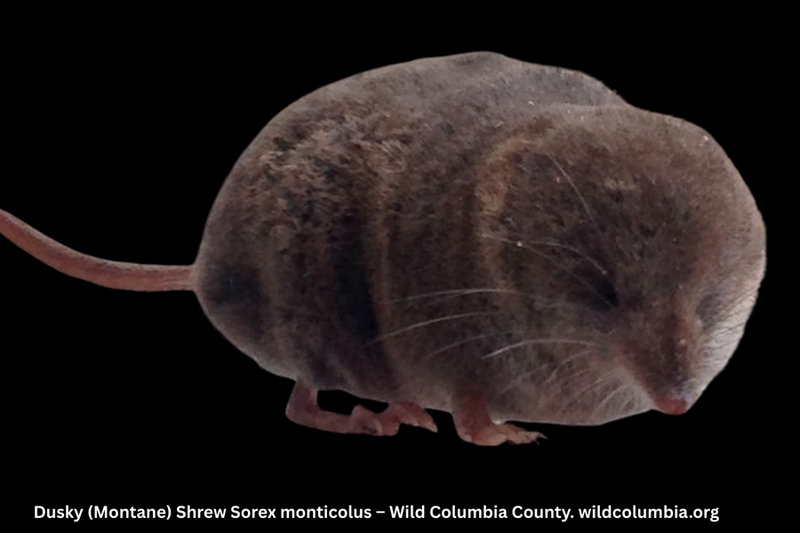
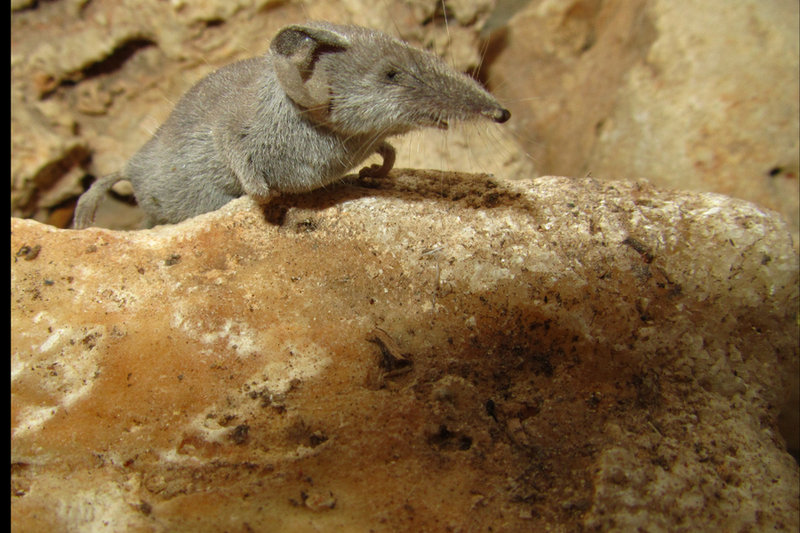
6-8 cm body, 6-10 g
COLORATION
Dark brown, pale belly
ADAPTATIONS
Venomous bite, high metabolism
🌿 Ecology
HABITAT
Mountain forests, meadows
DIET
Insectivorous
GEOGRAPHIC RANGE
Endemic to Apennine Mountains Italy
REPRODUCTION
4-6 young
DIET DETAILS
Insects, worms
⚠️ Threats & Conservation
PRIMARY THREATS
Habitat fragmentation
💡 Interesting Facts
1
This species is found nowhere else on Earth except the Italian Apennines. It has an extremely high metabolism and must hunt almost non-stop. Because of its tiny range it is a high-priority species for Italian conservation.
2
It is one of Europe’s rarest shrews and almost never seen without live-trapping.
🔭 Sighting Guide
📍 BEST PLACES TO SIGHT
Gran Sasso National Park Italy
Abruzzo National Park Italy
Pollino National Park Italy
🗓️ BEST TIME TO SIGHT
Year-round
🎯 SIGHTING TIPS
Live-trapping in mountain forests; very localised.