Home › Mammalia › Canidae › Raccoon Dog (Nyctereutes procyonoides)
SPECIES PROFILE
Raccoon Dog (Nyctereutes procyonoides)
Nyctereutes
IUCN STATUS
Least Concern

CONSERVATION STATUS
Least Concern
CLASS
Mammalia
GEOGRAPHICAL RANGE
Eastern Europe (introduced)
DIET
Omnivorous
HABITAT
Wetlands, forests, urban edges
🔬 Classification
PHYLUM
Chordata
CLASS
Mammalia
ORDER
Carnivora
FAMILY
Canidae
GENUS
Nyctereutes
📋 Description
SIZE
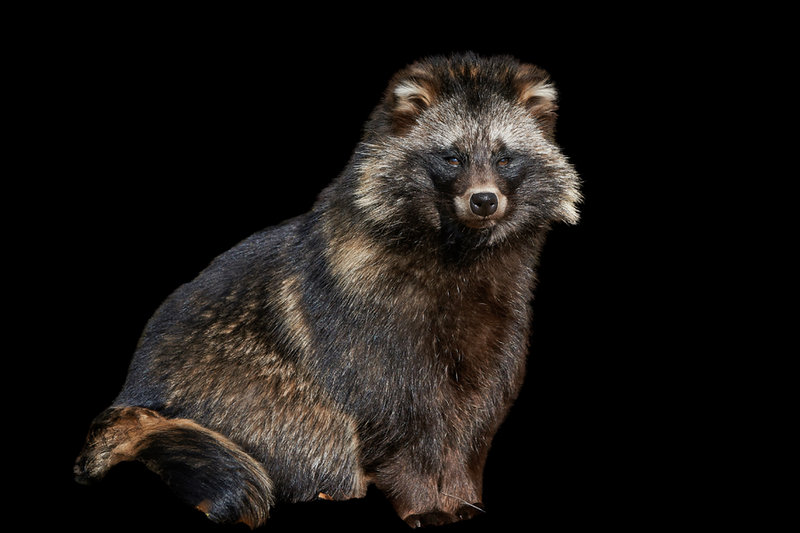
50-80 cm body, 4-10 kg
COLORATION
Brown-grey, black face mask, raccoon-like
ADAPTATIONS
Thick fur, hibernation, omnivorous
🌿 Ecology
HABITAT
Wetlands, forests, urban edges
DIET
Omnivorous
GEOGRAPHIC RANGE
Eastern Europe (introduced)
REPRODUCTION
6-10 pups, 1 litter per year
DIET DETAILS
Rodents, amphibians, fruit, insects
⚠️ Threats & Conservation
PRIMARY THREATS
Invasive species impact
💡 Interesting Facts
1
The raccoon dog is not a true raccoon but looks very similar. It hibernates in winter and is highly invasive in Europe.
2
It was introduced from Asia in the 1920s and has spread rapidly across northern Europe.
🔭 Sighting Guide
📍 BEST PLACES TO SIGHT
Brandenburg Germany
Finnish wetlands
🗓️ BEST TIME TO SIGHT
Year-round
🎯 SIGHTING TIPS
Look for in wetlands and forests; nocturnal.