Home › Mammalia › Felidae › Lion (Panthera leo)
SPECIES PROFILE
Lion (Panthera leo)
Panthera
IUCN STATUS
Vulnerable

CONSERVATION STATUS
Vulnerable
CLASS
Mammalia
GEOGRAPHICAL RANGE
Sub-Saharan Africa, small population in India
DIET
Carnivorous
HABITAT
Savannas, grasslands, woodlands
🔬 Classification
PHYLUM
Chordata
CLASS
Mammalia
ORDER
Carnivora
FAMILY
Felidae
GENUS
Panthera
📋 Description
SIZE
Males 1.8-2.1 m (body), 120-250 kg; females 1.6-1.9 m, 90-180 kg
COLORATION
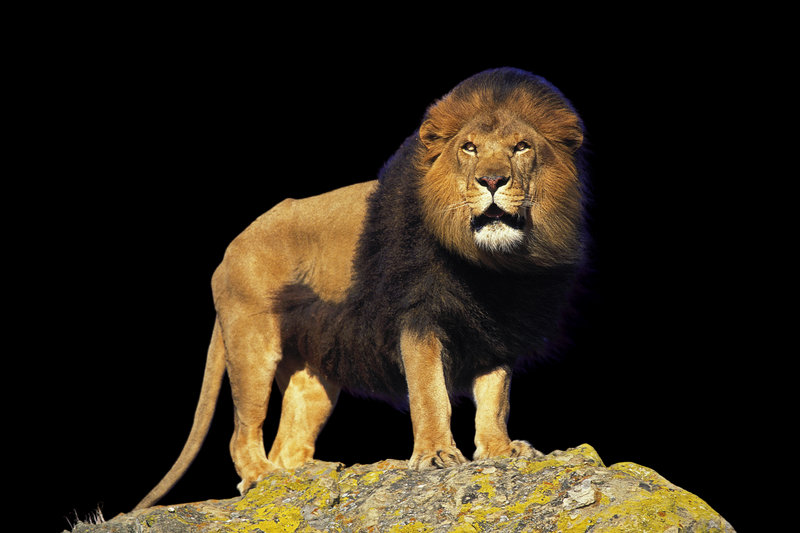
Tawny coat; males with manes (light to dark)
ADAPTATIONS
Strong jaws for hunting; social pride structure
🌿 Ecology
HABITAT
Savannas, grasslands, woodlands
DIET
Carnivorous
GEOGRAPHIC RANGE
Sub-Saharan Africa, small population in India
REPRODUCTION
Gestation 110 days, 2-4 cubs; cubs with pride 2-3 years
DIET DETAILS
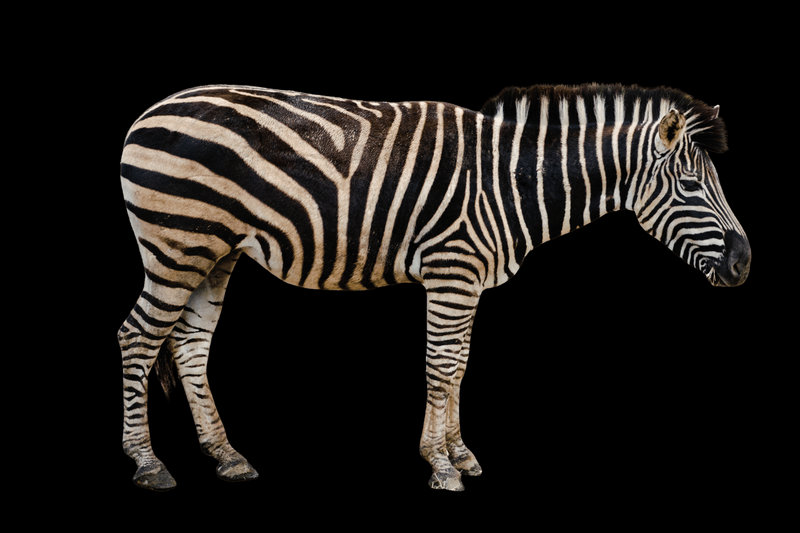
Antelope, zebra, buffalo, wildebeest
⚠️ Threats & Conservation
PRIMARY THREATS
Habitat loss, human-wildlife conflict, poaching
💡 Interesting Facts
1
Unique Social Structure: Lions are the only truly social big cats, living in prides that can number up to 40 individuals, with cooperative hunting increasing their success rate. This teamwork allows them to take down prey much larger than themselves, like buffalo or giraffes.
2
Roaring Communication: A lion's roar can travel up to 8 km, serving as a territorial marker and a way to coordinate with pride members across the savanna. The sound is so powerful it can be felt as a vibration, reinforcing their dominance in the wild.
🔭 Sighting Guide
📍 BEST PLACES TO SIGHT
Serengeti National Park, Tanzania
Kruger National Park, South Africa
Masai Mara National Reserve, Kenya
🗓️ BEST TIME TO SIGHT
June-October: Dry season brings lions to waterholes for hunting, improving sightings.
🎯 SIGHTING TIPS
Join night drives to see active lion prides hunting or resting near waterholes.