Home › Aves › Phalacrocoracidae › Indian Cormorant (Phalacrocorax fuscicollis)
SPECIES PROFILE
Indian Cormorant (Phalacrocorax fuscicollis)
Phalacrocorax
IUCN STATUS
Least Concern


CONSERVATION STATUS
Least Concern
CLASS
Aves
GEOGRAPHICAL RANGE
Indian subcontinent Thailand Cambodia
DIET
Carnivorous
HABITAT
Inland rivers wetlands estuaries
🔬 Classification
PHYLUM
Chordata
CLASS
Aves
ORDER
Suliformes
FAMILY
Phalacrocoracidae
GENUS
Phalacrocorax
📋 Description
SIZE
60-65 cm long 600-800 g
COLORATION
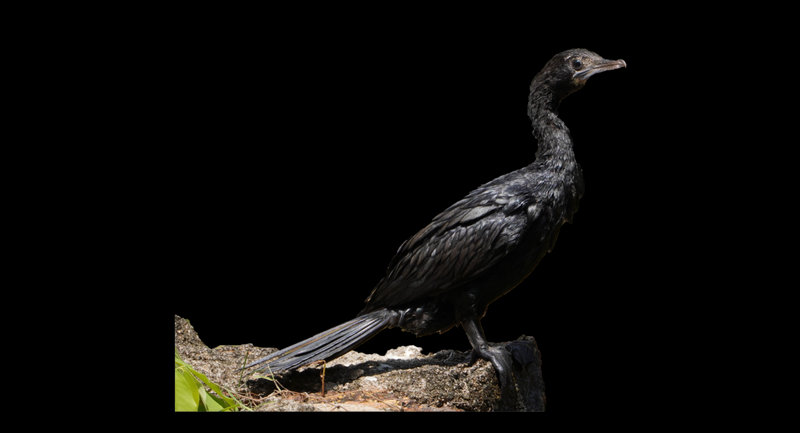
Black with blue-green eyes rounded head
ADAPTATIONS
Long slender bill with hooked tip for fishing
🌿 Ecology
HABITAT
Inland rivers wetlands estuaries
DIET
Carnivorous
GEOGRAPHIC RANGE
Indian subcontinent Thailand Cambodia
REPRODUCTION
Lays 3-6 eggs in tree nests incubated 27-30 days
DIET DETAILS
Fish crustaceans aquatic insects
⚠️ Threats & Conservation
PRIMARY THREATS
Water pollution mangrove loss
💡 Interesting Facts
1
Gregarious Fishers: Indian Cormorants dive in groups with 700-gram bodies catching 150 grams of fish daily in Chilika's waters. Their blue eyes are striking.
2
Estuary Dwellers: These cormorants nest in Sundarbans' mangroves covering 6000 sq km. Habitat loss threatens their communal fishing.
🔭 Sighting Guide
📍 BEST PLACES TO SIGHT
Chilika Lake in Odisha brackish waters host Indian cormorant sightings
Sundarbans National Park in West Bengal mangroves offer Indian cormorant sightings
Bhigwan Bird Sanctuary in Maharashtra wetlands have Indian cormorant sightings
🗓️ BEST TIME TO SIGHT
Observe Indian cormorants fishing in groups at sunrise
🎯 SIGHTING TIPS
October-March Dry season enhances visibility in wetlands for spotting cormorants