Home › Aves › Phalacrocoracidae › Flightless Cormorant (Phalacrocorax harrisi)
SPECIES PROFILE
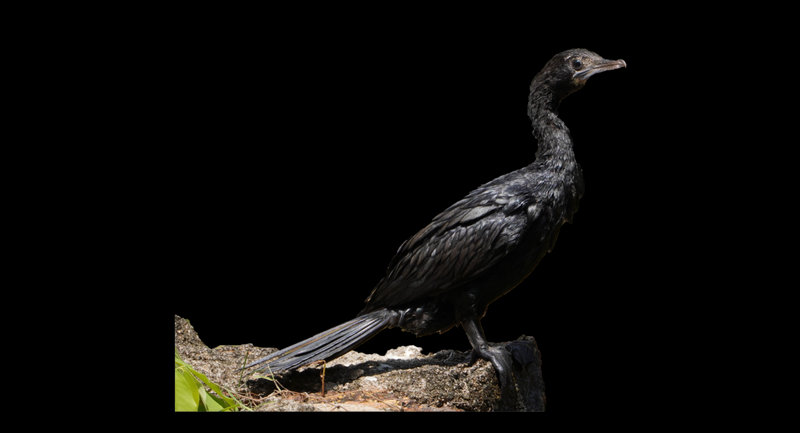
Flightless Cormorant (Phalacrocorax harrisi)
Phalacrocorax
IUCN STATUS
Vulnerable

CONSERVATION STATUS
Vulnerable
CLASS
Aves
GEOGRAPHICAL RANGE
Endemic to Fernandina and Isabela
DIET
Carnivorous
HABITAT
Rocky volcanic coasts and shallow seas
🔬 Classification
PHYLUM
Chordata
CLASS
Aves
ORDER
Suliformes
FAMILY
Phalacrocoracidae
GENUS
Phalacrocorax
📋 Description
SIZE
Up to 100 cm long
COLORATION
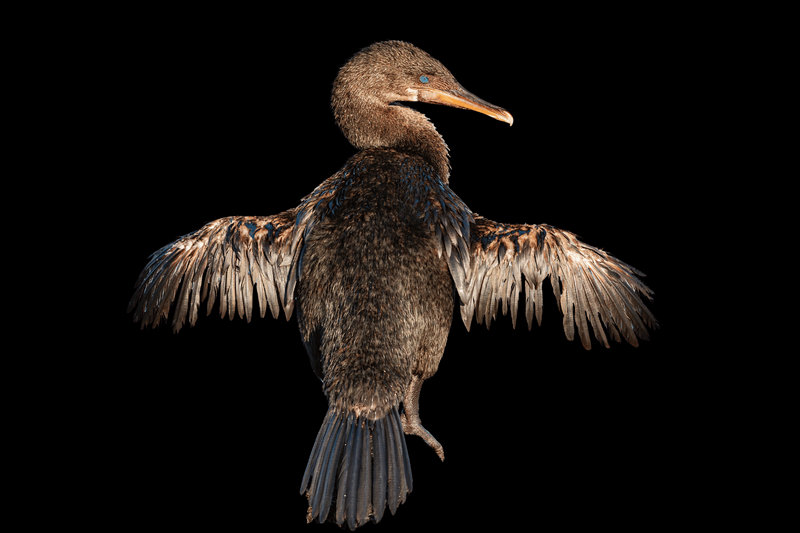
Blackish-brown with turquoise eyes and tiny wings
ADAPTATIONS
Lost the power of flight; dives and swims to hunt
🌿 Ecology
HABITAT
Rocky volcanic coasts and shallow seas
DIET
Carnivorous
GEOGRAPHIC RANGE
Endemic to Fernandina and Isabela
REPRODUCTION
2-3 eggs in seaweed nests
DIET DETAILS
Fish, eels and octopus
⚠️ Threats & Conservation
PRIMARY THREATS
El Nino, introduced predators
💡 Interesting Facts
1
The only cormorant in the world that cannot fly, having evolved stubby wings on isolated islands.
2
With no land predators, flight became unnecessary and its wings shrank.
🔭 Sighting Guide
📍 BEST PLACES TO SIGHT
Fernandina Island
Isabela (Punta Moreno)
🗓️ BEST TIME TO SIGHT
Year-round
🎯 SIGHTING TIPS
Watch western Galapagos shorelines on Fernandina and Isabela; birds dry their stubby wings on the rocks.