Home › Mammalia › Felidae › Snow Leopard (Panthera uncia)
SPECIES PROFILE
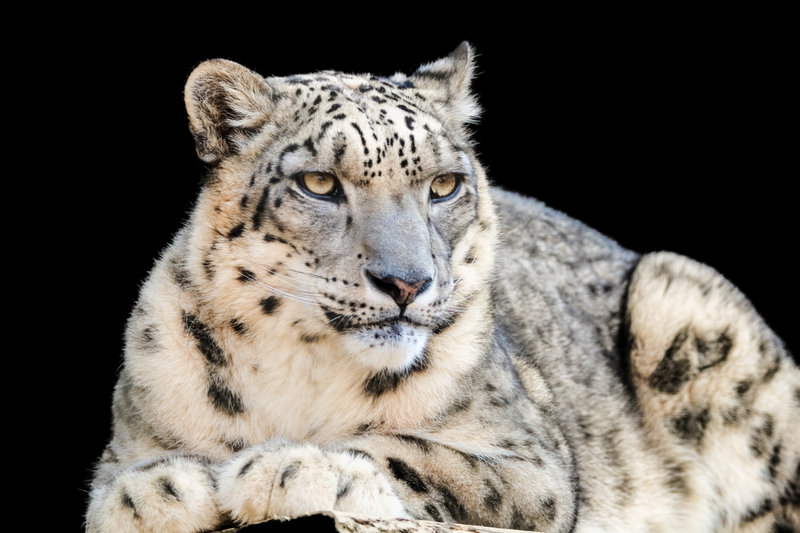
Snow Leopard (Panthera uncia)
Panthera
IUCN STATUS
Vulnerable

CONSERVATION STATUS
Vulnerable
CLASS
Mammalia
GEOGRAPHICAL RANGE
Himalayas: Ladakh, Himachal Pradesh, Uttarakhand, Sikkim
DIET
Carnivorous
HABITAT
High-altitude mountains, rocky terrains above 3,000 meters
🔬 Classification
PHYLUM
Chordata
CLASS
Mammalia
ORDER
Carnivora
FAMILY
Felidae
GENUS
Panthera
📋 Description
SIZE
1.8-2.3 meters (including tail), 25-55 kg; males slightly larger
COLORATION
Grey-white with black rosettes, thick fur for cold
ADAPTATIONS
Long tail for balance, wide paws for snow, camouflaged coat
🌿 Ecology
HABITAT
High-altitude mountains, rocky terrains above 3,000 meters
DIET
Carnivorous
GEOGRAPHIC RANGE
Himalayas: Ladakh, Himachal Pradesh, Uttarakhand, Sikkim
REPRODUCTION
Females gestate 90-110 days, birthing 1-5 cubs; cubs independent at 2 years
DIET DETAILS
Ibex, blue sheep, marmots, occasionally livestock
⚠️ Threats & Conservation
PRIMARY THREATS
Poaching, climate change shrinking habitat, retaliatory killings
💡 Interesting Facts
1
Mountain Ghosts: Leaping 15 meters across Hemis' ravines their 50 kg bodies hunt ibex with 1000 in India. Their spotted coats blend into 5000 sq km snowy ranges.
2
High-Altitude Hunters: Stalking 5 kg of prey daily in Nanda Devi's slopes their 2-meter tails balance on cliffs. Conservation protects their Himalayan strongholds.
🔭 Sighting Guide
📍 BEST PLACES TO SIGHT
Hemis National Park in Ladakh high-altitude haven hosts snow leopard sightings
Nanda Devi National Park in Uttarakhand Himalayan slopes offer snow leopard sightings
Kibber Wildlife Sanctuary in Himachal Pradesh cold desert has snow leopard sightings
🗓️ BEST TIME TO SIGHT
January-March. Winter forces snow leopards to lower altitudes for hunting making them more visible in mountainous regions.
🎯 SIGHTING TIPS
Join guided treks with expert trackers to spot leopards camouflaged among rocky slopes at dawn or dusk.