Home › Mammalia › Tapiridae › Lowland Tapir (Tapirus terrestris)
SPECIES PROFILE
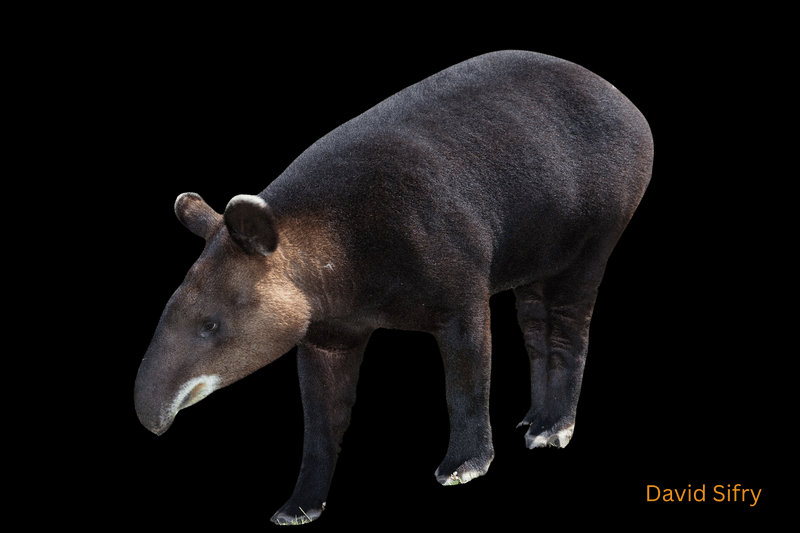
Lowland Tapir (Tapirus terrestris)
Tapirus
IUCN STATUS
Vulnerable

CONSERVATION STATUS
Vulnerable
CLASS
Mammalia
GEOGRAPHICAL RANGE
Amazon basin and central South America
DIET
Herbivorous
HABITAT
Rainforest, wetlands, gallery forest
🔬 Classification
PHYLUM
Chordata
CLASS
Mammalia
ORDER
Perissodactyla
FAMILY
Tapiridae
GENUS
Tapirus
📋 Description
SIZE
Up to 2.2 m long; 150-250 kg
COLORATION
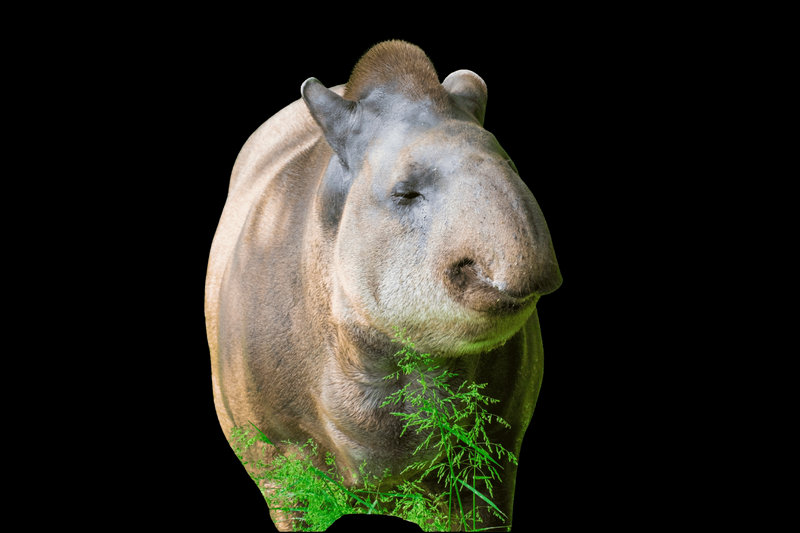
Dark brown with a short prehensile snout; young are striped and spotted
ADAPTATIONS
Flexible snout grabs leaves; strong swimmer that dives to escape predators
🌿 Ecology
HABITAT
Rainforest, wetlands, gallery forest
DIET
Herbivorous
GEOGRAPHIC RANGE
Amazon basin and central South America
REPRODUCTION
Single striped calf
DIET DETAILS
Fruit, leaves and aquatic plants
⚠️ Threats & Conservation
PRIMARY THREATS
Hunting, habitat loss, roadkill
💡 Interesting Facts
1
The largest land mammal in South America and an important 'gardener of the forest' spreading seeds.
2
Baby tapirs are striped and spotted like walking watermelons for camouflage.
🔭 Sighting Guide
📍 BEST PLACES TO SIGHT
Pantanal
Cristalino Reserve
🗓️ BEST TIME TO SIGHT
June-October
🎯 SIGHTING TIPS
Watch riverbanks and clay licks at night, or open Pantanal edges at dusk when tapirs come to feed and drink.