Home › Arachnida › Theridiidae › Indian Tarantula (Poecilotheria regalis)
SPECIES PROFILE
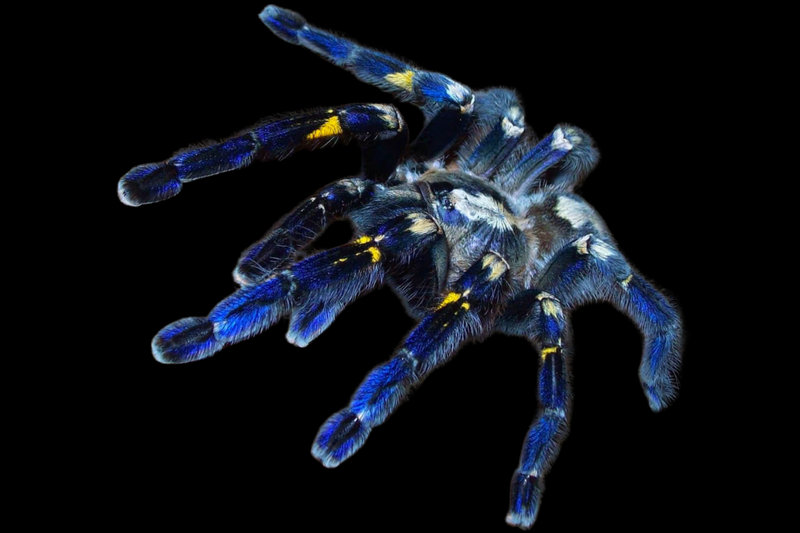
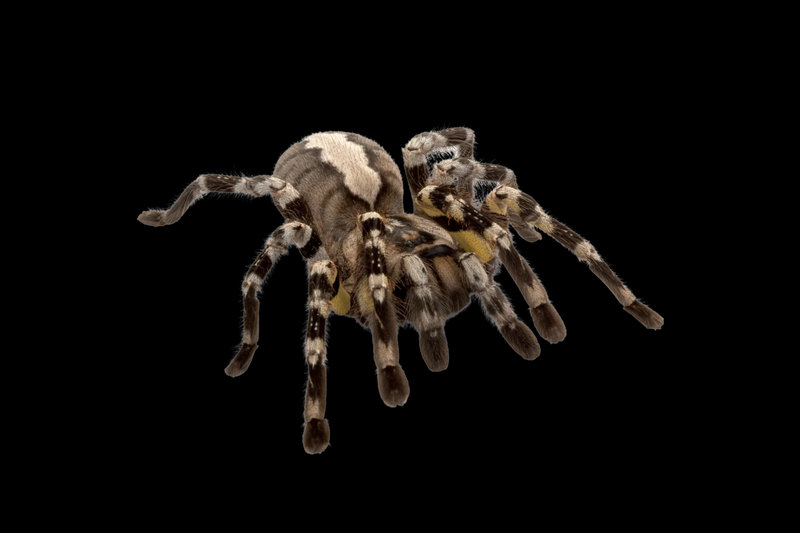
Indian Tarantula (Poecilotheria regalis)
Poecilotheria
IUCN STATUS
Least Concern

CONSERVATION STATUS
Least Concern
CLASS
Arachnida
GEOGRAPHICAL RANGE
Western Ghats: Karnataka, Kerala, Tamil Nadu
DIET
Carnivorous
HABITAT
Forests, tree hollows
🔬 Classification
PHYLUM
Arthropoda
CLASS
Arachnida
ORDER
Araneae
FAMILY
Theridiidae
GENUS
Poecilotheria
📋 Description
SIZE
Leg span 15-20 cm, 20-40 grams
COLORATION
Grey with black and yellow patterns
ADAPTATIONS
Hairy legs, venomous fangs
🌿 Ecology
HABITAT
Forests, tree hollows
DIET
Carnivorous
GEOGRAPHIC RANGE
Western Ghats: Karnataka, Kerala, Tamil Nadu
REPRODUCTION
Lays 50-100 eggs in silk sac, hatch 4-6 weeks
DIET DETAILS
Insects, small vertebrates
⚠️ Threats & Conservation
PRIMARY THREATS
Habitat loss, pet trade
💡 Interesting Facts
1
Colorful Predators: Their 20 cm vibrant legs ambush insects in Anamalai's canopy with 5000 in Western Ghats. Deforestation threatens their 1000 sq km rainforest range.
2
Tree Agility: Moving at 1 meter per second these tarantulas leap 50 cm in Agumbe's hollows. Captive breeding supports their survival in India's wet forests.
🔭 Sighting Guide
📍 BEST PLACES TO SIGHT
Anamalai Tiger Reserve in Tamil Nadu forest canopy hosts tarantula sightings
Agumbe Rainforest in Karnataka tree hollows offer tarantula sightings
Silent Valley National Park in Kerala rainforest has tarantula sightings
🗓️ BEST TIME TO SIGHT
June-September. Monsoon increases tarantula activity in rainforests.
🎯 SIGHTING TIPS
Search tree trunks at night with guides to spot tarantulas.