top of page

Home › Aves › Ardeidae › Little Egret (Egretta garzetta)

SPECIES PROFILE

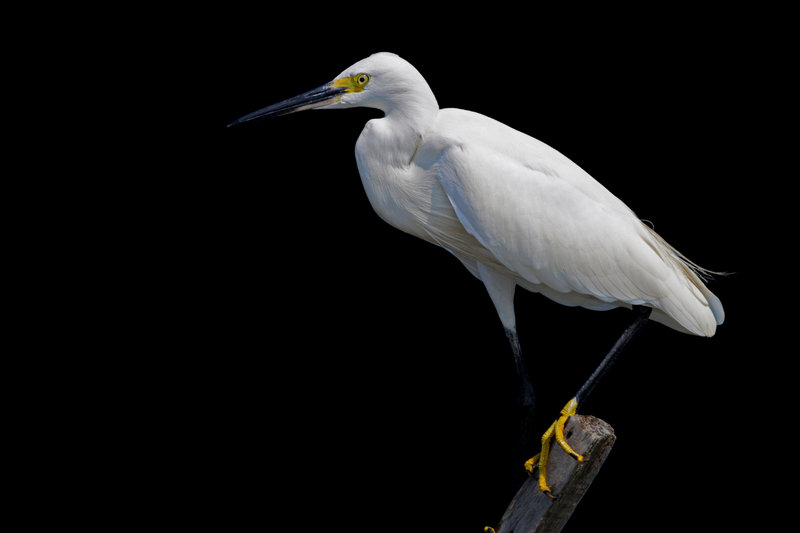
Little Egret (Egretta garzetta)

Egretta

IUCN STATUS

Least Concern

paw print_edited.png
Little Egret (Egretta garzetta) — Indian subcontinent Africa Europe

CONSERVATION STATUS

Least Concern

CLASS

Aves

GEOGRAPHICAL RANGE

Indian subcontinent Africa Europe

DIET

Carnivorous

HABITAT

Coastal wetlands marshes estuaries

🔬 Classification

PHYLUM

Chordata

CLASS

Aves

ORDER

Ciconiiformes

FAMILY

Ardeidae

GENUS

Egretta

📋 Description

SIZE

55-65 cm long 350-550 g

COLORATION

White with slender black bill yellow feet

ADAPTATIONS

Long legs and neck for shallow water wading

🌿 Ecology

HABITAT

Coastal wetlands marshes estuaries

DIET

Carnivorous

GEOGRAPHIC RANGE

Indian subcontinent Africa Europe

REPRODUCTION

Lays 3-5 eggs in tree or reed nests incubated 21-25 days

DIET DETAILS

Fish crustaceans insects

⚠️ Threats & Conservation

PRIMARY THREATS

Habitat loss coastal development

💡 Interesting Facts

1

Graceful Waders: Little Egrets stalk with 400-gram bodies catching 100 grams of fish daily in Chilika's shallows. Their yellow feet attract prey.

2

Global Travelers: These egrets cover 8000 sq km in Pulicat's wetlands. Pollution threatens their feeding grounds.

🔭 Sighting Guide

📍 BEST PLACES TO SIGHT

Chilika Lake in Odisha coastal wetlands host little egret sightings

Pulicat Lake in Tamil Nadu estuaries offer little egret sightings

Vedanthangal Bird Sanctuary in Tamil Nadu wetlands have little egret sightings

🗓️ BEST TIME TO SIGHT

October-March Dry season concentrates prey for spotting egrets

🎯 SIGHTING TIPS

Watch little egrets wading in shallow waters at sunrise

🏨 Where to Stay
📍
Chilika Lake in Odisha coastal wetlands host little egret sightings
India
📍
Pulicat Lake in Tamil Nadu estuaries offer little egret sightings
India
📍
Vedanthangal Bird Sanctuary in Tamil Nadu wetlands have little egret sightings
India
🐾 You Might Also Want to See...
Great Blue Heron (Ardea herodias)

Great Blue Heron (Ardea herodias)

Breeds from southern Alaska and Canada to Mexico; year-round resident throughout most of the US; one of the most widespread wading birds in North America

Least Concern

Indian Pond-Heron (Ardeola grayii)

Indian Pond-Heron (Ardeola grayii)

Southern Iran to India Burma Sri Lanka

Least Concern

Grey Heron (Ardea cinerea)

Grey Heron (Ardea cinerea)

Throughout Indian subcontinent Europe Africa

Least Concern

Cinnamon Bittern (Ixobrychus cinnamomeus)

Cinnamon Bittern (Ixobrychus cinnamomeus)

Indian subcontinent southeast Asia

Least Concern

More wildlife in India
Indian Pond-Heron (Ardeola grayii)

Indian Pond-Heron (Ardeola grayii)

Grey Heron (Ardea cinerea)

Grey Heron (Ardea cinerea)

Cinnamon Bittern (Ixobrychus cinnamomeus)

Cinnamon Bittern (Ixobrychus cinnamomeus)

Little Tern (Sternula albifrons)

Little Tern (Sternula albifrons)

Other Least Concern species
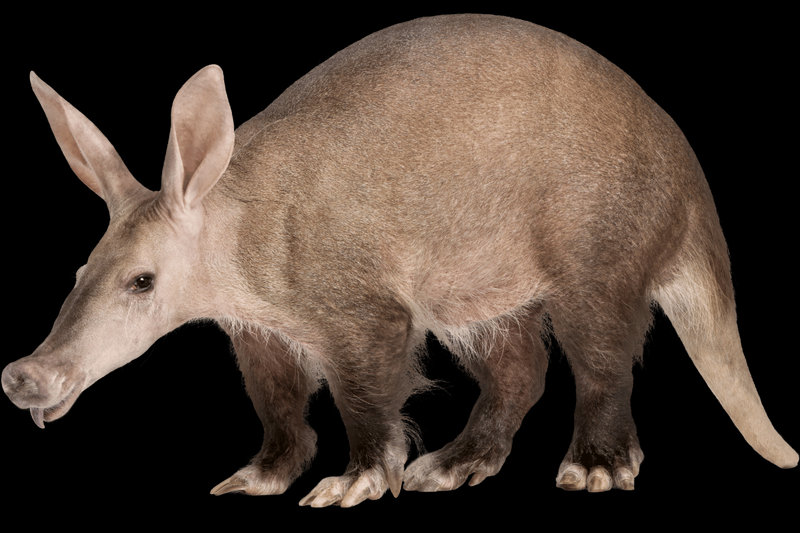
Aardvark (Orycteropus afer)

Aardvark (Orycteropus afer)

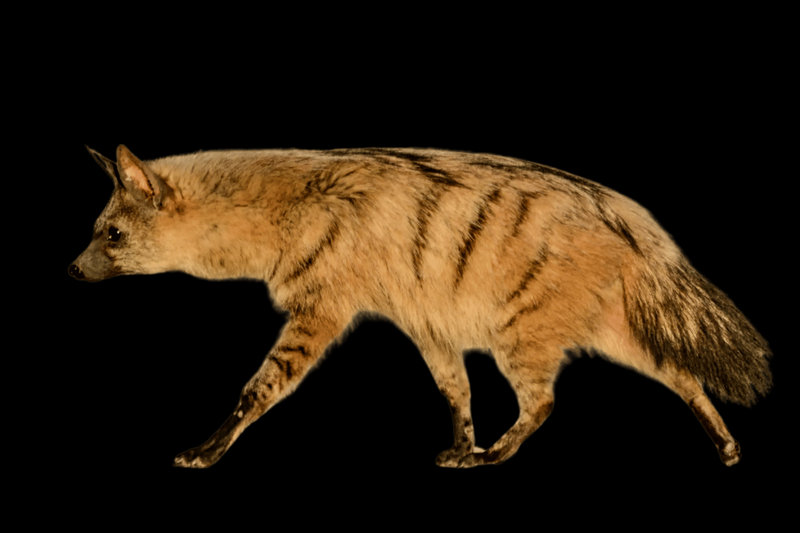
Aardwolf (Proteles cristata)

Aardwolf (Proteles cristata)

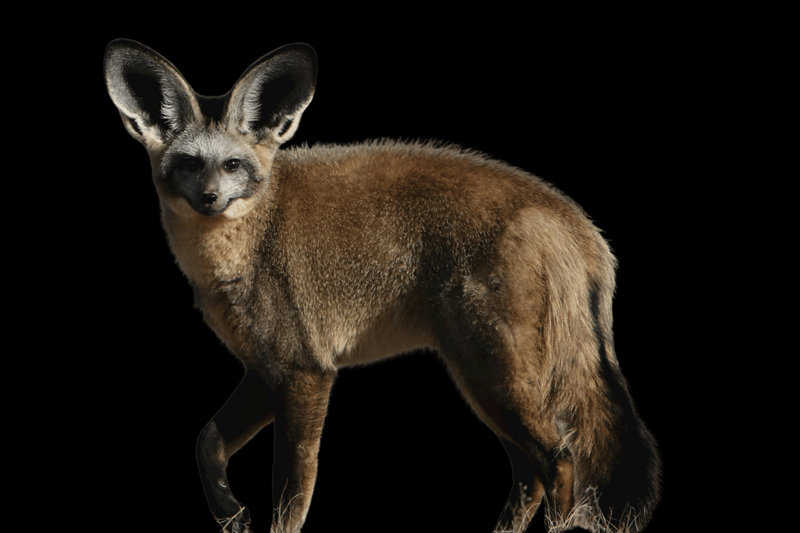
Bat-eared Fox (Otocyon megalotis)

Bat-eared Fox (Otocyon megalotis)

Cape Fur Seal (Arctocephalus pusillus)

Cape Fur Seal (Arctocephalus pusillus)

CONTINUE EXPLORING

Discover more wildlife experiences

bottom of page