Home › Mammalia › Phalangeridae › Bear Cuscus (Ailurops ursinus)
SPECIES PROFILE
Bear Cuscus (Ailurops ursinus)
Ailurops
IUCN STATUS
Vulnerable

CONSERVATION STATUS
Vulnerable
CLASS
Mammalia
GEOGRAPHICAL RANGE
Sulawesi, Indonesia
DIET
Herbivorous
HABITAT
Rainforests
🔬 Classification
PHYLUM
Chordata
CLASS
Mammalia
ORDER
Diprotodontia
FAMILY
Phalangeridae
GENUS
Ailurops
📋 Description
SIZE
56 cm (body), ~7 kg
COLORATION
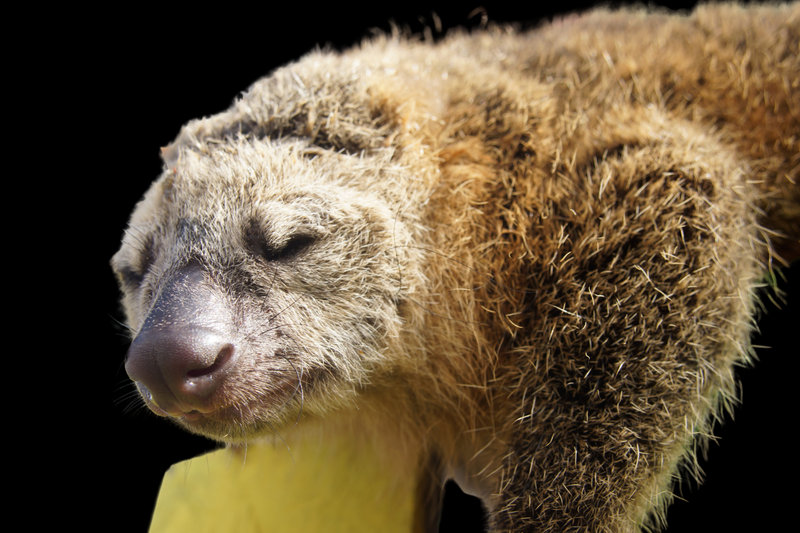
Black fur; yellow-rimmed eyes
ADAPTATIONS
Prehensile tail; arboreal
🌿 Ecology
HABITAT
Rainforests
DIET
Herbivorous
GEOGRAPHIC RANGE
Sulawesi, Indonesia
REPRODUCTION
Gestation ~20 days, 1-2 young
DIET DETAILS
Leaves, fruits
⚠️ Threats & Conservation
PRIMARY THREATS
Deforestation, hunting
💡 Interesting Facts
1
Marsupial Climbers: Bear cuscuses use prehensile tails to navigate Sulawesi's canopy, sleeping in tree hollows during the day. Their lemur-like eyes and quiet nature make them elusive, but logging threatens their <10,000 population in Tangkoko.
2
Forest Protectors: By feeding on fruits, they disperse seeds across Sulawesi's forests, with each cuscus spreading hundreds of seeds monthly. Their diurnal habits, unlike most marsupials, aid pollination, but habitat loss drives urgent conservation efforts.
🔭 Sighting Guide
📍 BEST PLACES TO SIGHT
Tangkoko Nature Reserve
Bogani Nani Wartabone National Park
🗓️ BEST TIME TO SIGHT
April-October. Dry season enhances visibility in forest canopies for cuscus.
🎯 SIGHTING TIPS
Look for cuscus in fruiting trees at dusk with guides.