Home › Aves › Columbidae › Spotted Dove (Spilopelia chinensis)
SPECIES PROFILE
Spotted Dove (Spilopelia chinensis)
Spilopelia
IUCN STATUS
Least Concern

CONSERVATION STATUS
Least Concern
CLASS
Aves
GEOGRAPHICAL RANGE
Indian subcontinent southeast Asia
DIET
Omnivorous
HABITAT
Urban areas gardens open woodlands
🔬 Classification
PHYLUM
Chordata
CLASS
Aves
ORDER
Columbiformes
FAMILY
Columbidae
GENUS
Spilopelia
📋 Description
SIZE
30 cm long 100-150 g
COLORATION
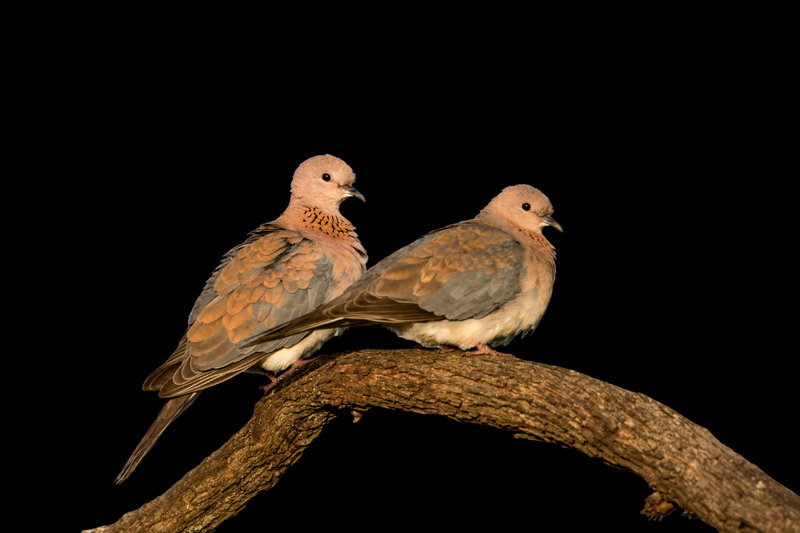
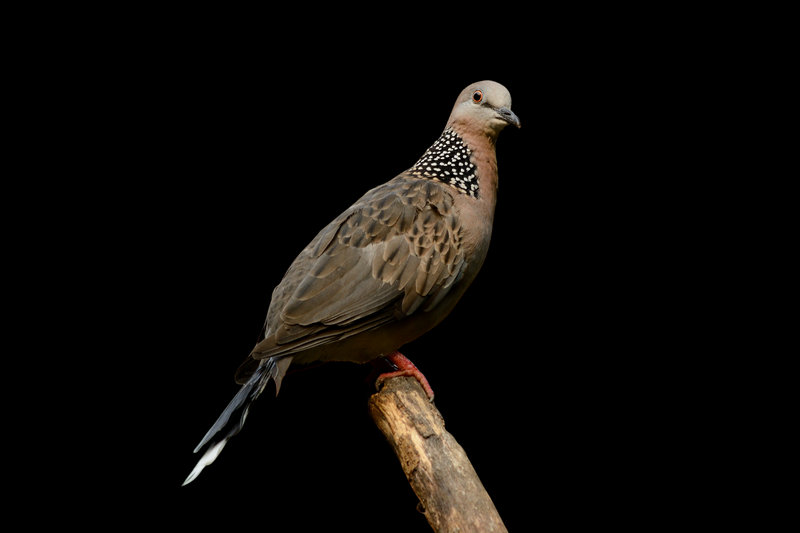
Brown with black spots on neck pinkish chest white-tipped tail
ADAPTATIONS
Fast flight forages on ground sucks water like pigeons
🌿 Ecology
HABITAT
Urban areas gardens open woodlands
DIET
Omnivorous
GEOGRAPHIC RANGE
Indian subcontinent southeast Asia
REPRODUCTION
Lays 2 eggs in stick nests incubated 13-15 days
DIET DETAILS
Seeds grains insects
⚠️ Threats & Conservation
PRIMARY THREATS
Urban sprawl predation
💡 Interesting Facts
1
Spotted Cooers: Spotted Doves forage with 120-gram bodies eating 30 grams of seeds daily in Gujarat's gardens. Their neck spots are distinctive.
2
Urban Dwellers: These doves cover 4000 sq km in Chennai's parks nesting in low trees. Cats threaten their broods.
🔭 Sighting Guide
📍 BEST PLACES TO SIGHT
Jamnagar in Gujarat
Guindy National Park in Chennai Tamil Nadu
Okhla Bird Sanctuary in Delhi
🗓️ BEST TIME TO SIGHT
Year-round Urban areas ensure visibility for spotting doves
🎯 SIGHTING TIPS
Listen for spotted doves' soft cooing in gardens