Home › Aves › Columbidae › Laughing Dove (Spilopelia senegalensis)
SPECIES PROFILE
Laughing Dove (Spilopelia senegalensis)
Spilopelia
IUCN STATUS
Least Concern

CONSERVATION STATUS
Least Concern
CLASS
Aves
GEOGRAPHICAL RANGE
Africa Middle East South Asia including India
DIET
Omnivorous
HABITAT
Dry scrub semi-desert dry farmland human habitation
🔬 Classification
PHYLUM
Chordata
CLASS
Aves
ORDER
Columbiformes
FAMILY
Columbidae
GENUS
Spilopelia
📋 Description
SIZE
25 cm long 100-150 g
COLORATION
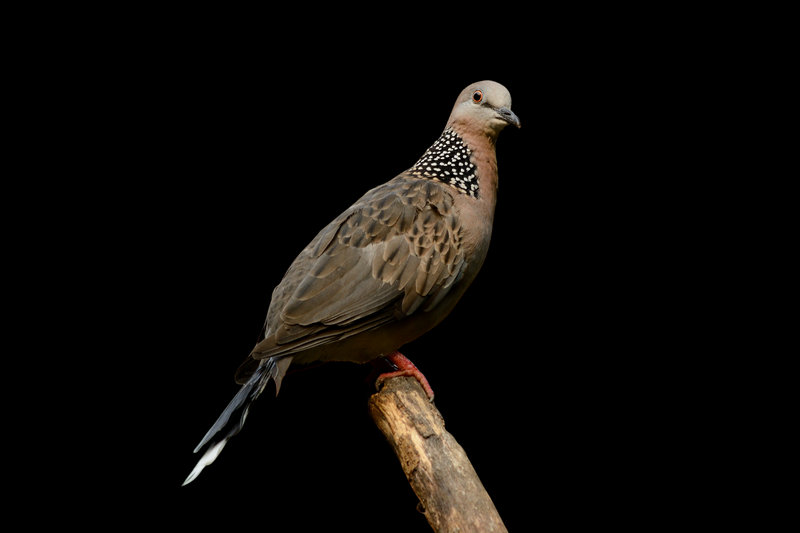
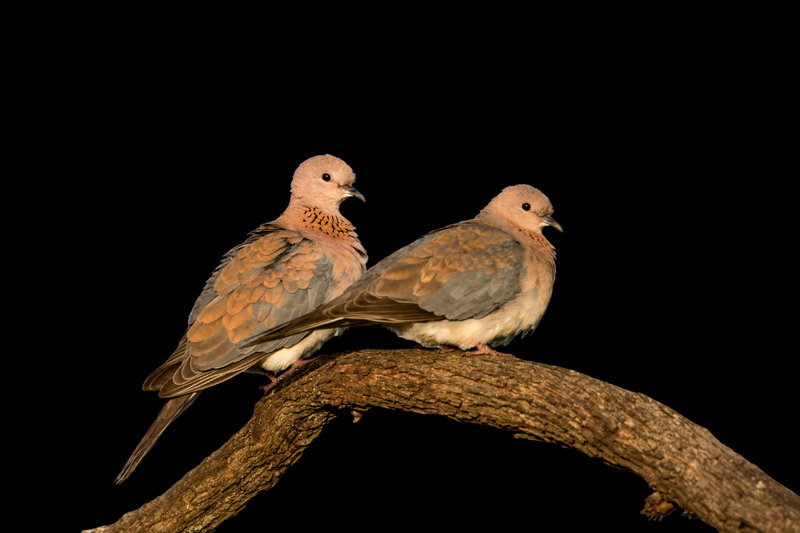
Pinkish brown underside lilac-tinged head neck chequered rufous grey neck patch brownish upperparts bluish-grey wing band white-tipped tail
ADAPTATIONS
Terrestrial forages on ground quick direct flight sucks water like pigeons feigns injury to distract predators
🌿 Ecology
HABITAT
Dry scrub semi-desert dry farmland human habitation
DIET
Omnivorous
GEOGRAPHIC RANGE
Africa Middle East South Asia including India
REPRODUCTION
Lays 2 eggs incubated 13-15 days by both parents young fledge 14-16 days
DIET DETAILS
Fallen seeds grasses vegetable matter insects termites beetles
⚠️ Threats & Conservation
PRIMARY THREATS
Predation virus infections ectoparasites beak deformities
💡 Interesting Facts
1
Laughing Callers: Laughing Doves forage with 120-gram bodies eating 30 grams of seeds daily in Gujarat's farmlands. Their lilac heads stand out.
2
Ground Nesters: These doves cover 5000 sq km in Delhi's scrub cooing softly while nesting on low branches. Human disturbance threatens their broods.
🔭 Sighting Guide
📍 BEST PLACES TO SIGHT
Vadodara in Gujarat
Delhi urban areas
Bangalore in Karnataka
🗓️ BEST TIME TO SIGHT
Year-round Dry areas ensure visibility for spotting doves
🎯 SIGHTING TIPS
Listen for laughing doves' distinctive calls near farmlands