Home › Mammalia › Felidae › Leopard (Panthera pardus)
SPECIES PROFILE
Leopard (Panthera pardus)
Panthera
IUCN STATUS
Vulnerable

CONSERVATION STATUS
Vulnerable
CLASS
Mammalia
GEOGRAPHICAL RANGE
Widespread across Africa, parts of Asia
DIET
Carnivorous
HABITAT
Forests, savannas, mountains, deserts
🔬 Classification
PHYLUM
Chordata
CLASS
Mammalia
ORDER
Carnivora
FAMILY
Felidae
GENUS
Panthera
📋 Description
SIZE
1-1.9 m (body), 30-90 kg
COLORATION
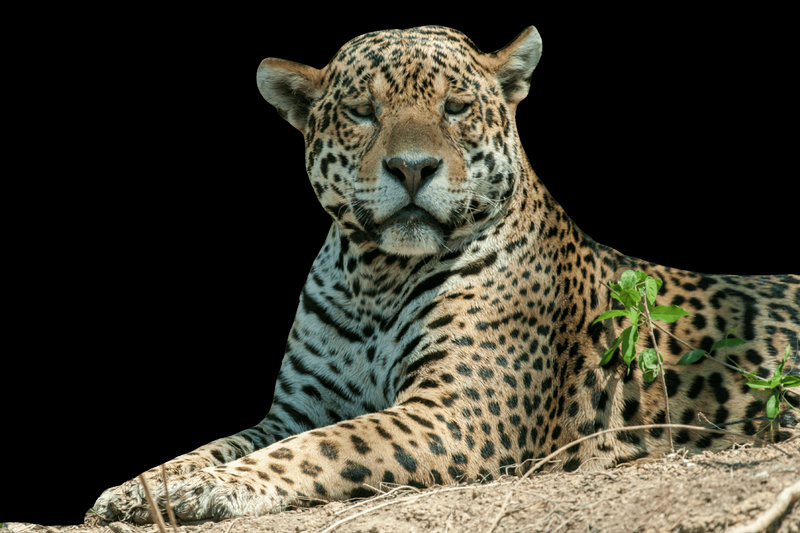
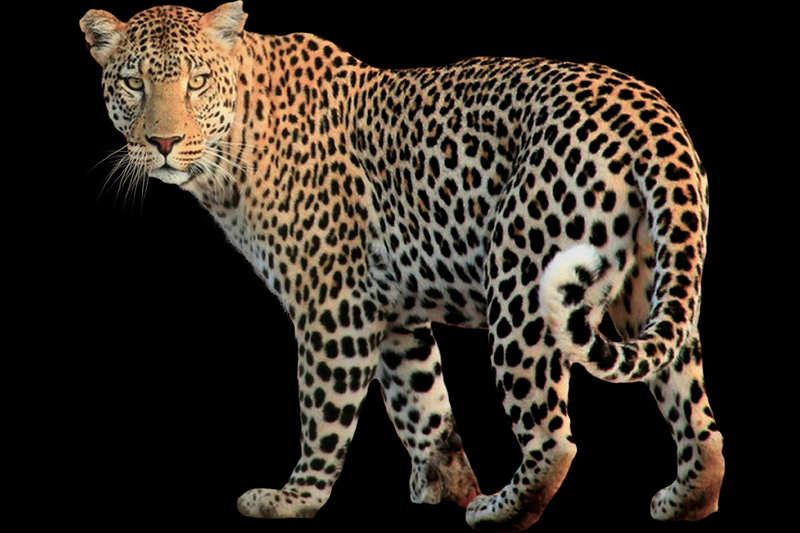
Yellow with black rosettes; melanistic (black) variants
ADAPTATIONS
Stealthy climber; strong jaws for prey hoisting
🌿 Ecology
HABITAT
Forests, savannas, mountains, deserts
DIET
Carnivorous
GEOGRAPHIC RANGE
Widespread across Africa, parts of Asia
REPRODUCTION
Gestation 90-105 days, 2-3 cubs; cubs independent at 18 months
DIET DETAILS
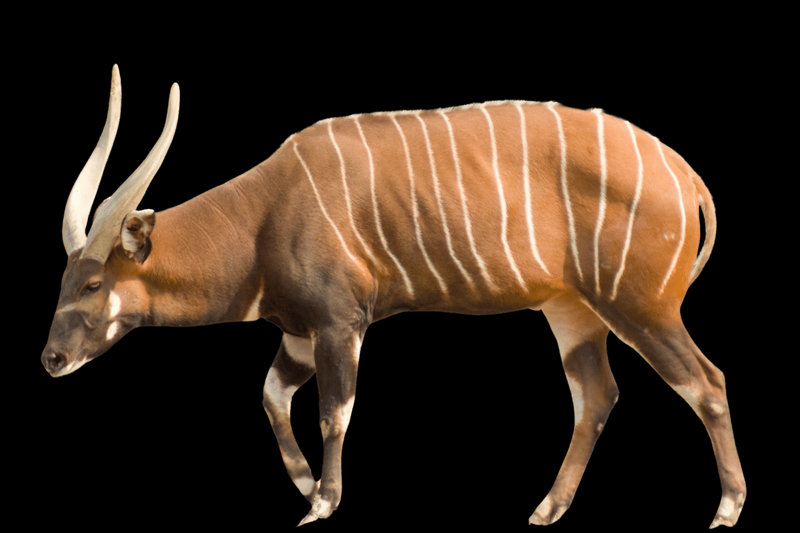
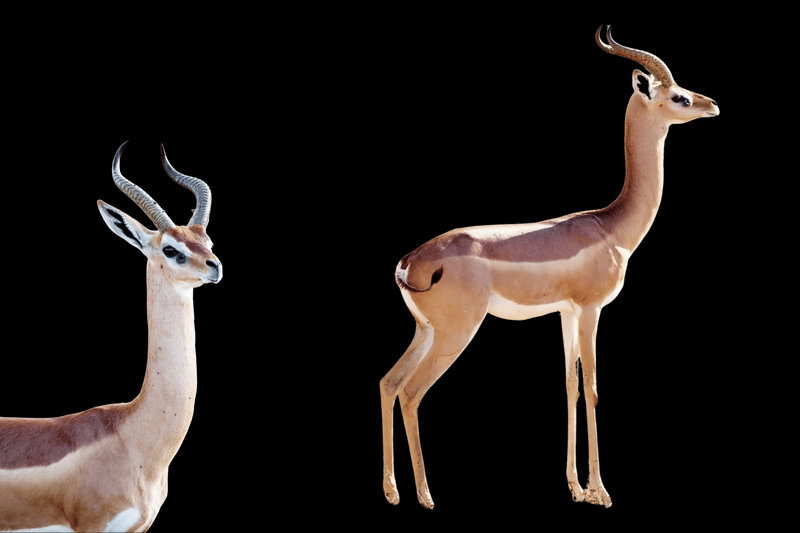
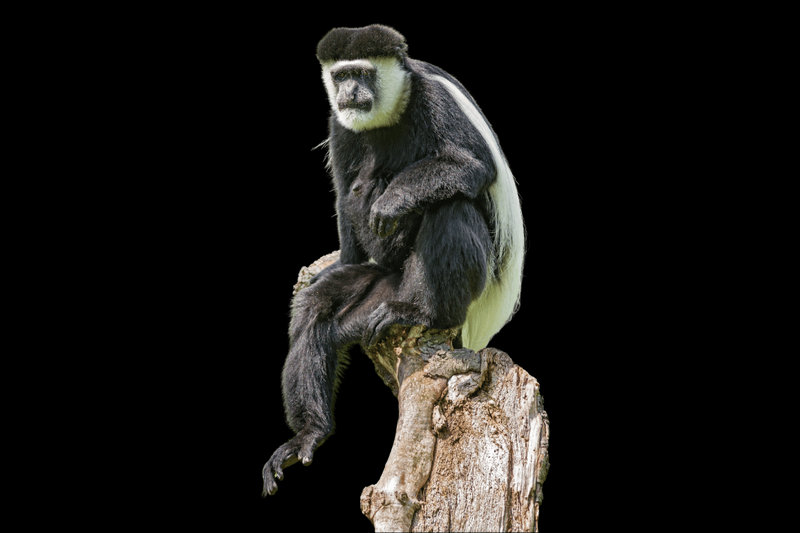
Antelope, monkeys, birds, rodents
⚠️ Threats & Conservation
PRIMARY THREATS
Habitat loss, poaching, human conflict
💡 Interesting Facts
1
Tree Hoarders: Leopards drag prey twice their weight into trees to protect it from scavengers like hyenas, showcasing their incredible strength and arboreal agility. This behavior allows them to feed safely over days, a rare feat among big cats.
2
Masters of Disguise: Their rosette patterns provide camouflage so effective that they can stalk prey in broad daylight, often going unnoticed until the final pounce. This adaptability makes them one of Africa's most successful predators across diverse habitats.
🔭 Sighting Guide
📍 BEST PLACES TO SIGHT
Sabi Sands Game Reserve, South Africa
Samburu National Reserve, Kenya
South Luangwa National Park, Zambia
🗓️ BEST TIME TO SIGHT
May-October: Dry season brings leopards to waterholes for stalking prey.
🎯 SIGHTING TIPS
Join night drives with spotlights to see leopards hunting or resting.