Home › Mammalia › Lorisidae › Javan Slow Loris (Nycticebus javanicus)
SPECIES PROFILE
Javan Slow Loris (Nycticebus javanicus)
Nycticebus
IUCN STATUS
Critically Endangered

CONSERVATION STATUS
Critically Endangered
CLASS
Mammalia
GEOGRAPHICAL RANGE
Java, Indonesia
DIET
Omnivorous
HABITAT
Rainforests, plantations
🔬 Classification
PHYLUM
Chordata
CLASS
Mammalia
ORDER
Primates
FAMILY
Lorisidae
GENUS
Nycticebus
📋 Description
SIZE
26-30 cm, 0.6-0.9 kg
COLORATION
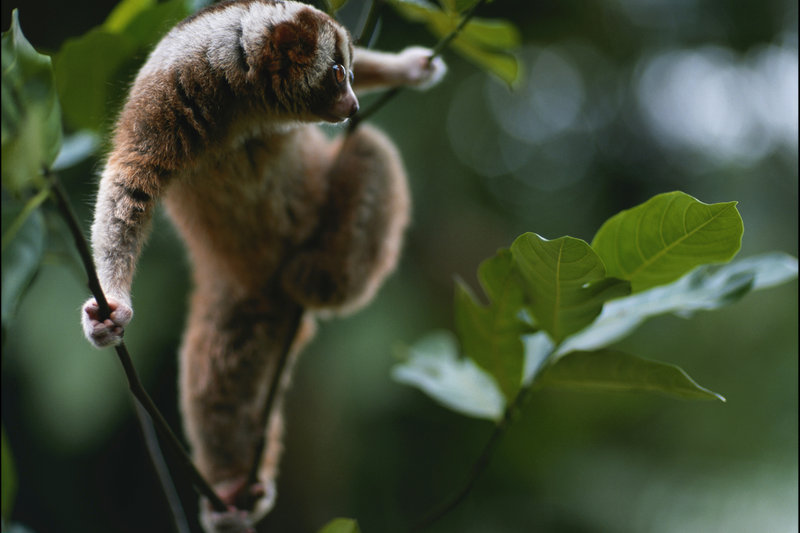
Grey-brown fur; large eyes
ADAPTATIONS
Nocturnal; toxic bite
🌿 Ecology
HABITAT
Rainforests, plantations
DIET
Omnivorous
GEOGRAPHIC RANGE
Java, Indonesia
REPRODUCTION
Gestation 6 months, 1 infant
DIET DETAILS
Insects, gum, fruits
⚠️ Threats & Conservation
PRIMARY THREATS
Pet trade, deforestation
💡 Interesting Facts
1
Toxic Defenders: Slow lorises secrete a toxin from elbow glands, mixing it with saliva to deliver a bite that deters predators. This rare primate defense, observed in Gunung Halimun, makes them unique but fuels illegal pet trade, threatening their <1,000 population.
2
Night Stalkers: Their huge eyes and silent movements allow them to hunt insects in total darkness, consuming up to 100 insects nightly in Java's forests. Deforestation and capture for social media videos have slashed their numbers, spurring rescue efforts.
🔭 Sighting Guide
📍 BEST PLACES TO SIGHT
Gunung Halimun Salak National Park
Ujung Kulon National Park
🗓️ BEST TIME TO SIGHT
April-October. Dry season enhances visibility in forest canopies for lorises.
🎯 SIGHTING TIPS
Join night walks with guides to spot lorises moving slowly in trees.
🐾 You Might Also Want to See...

Species
Range
Status
Species
Range
Status
Species
Range
Status
Species
Range
Status