Home › Aves › Muscicapidae › White-rumped Shama (Copsychus malabaricus)
SPECIES PROFILE
White-rumped Shama (Copsychus malabaricus)
Copsychus
IUCN STATUS
Least Concern

CONSERVATION STATUS
Least Concern
CLASS
Aves
GEOGRAPHICAL RANGE
Indian subcontinent southeast Asia
DIET
Insectivorous
HABITAT
Forests scrub gardens
🔬 Classification
PHYLUM
Chordata
CLASS
Aves
ORDER
Passeriformes
FAMILY
Muscicapidae
GENUS
Copsychus
📋 Description
SIZE
20-28 cm long with tail 50-80 g
COLORATION
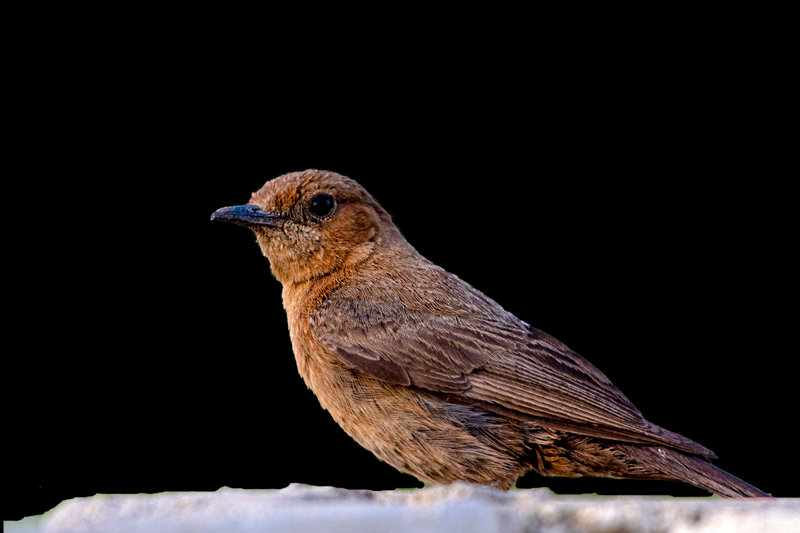
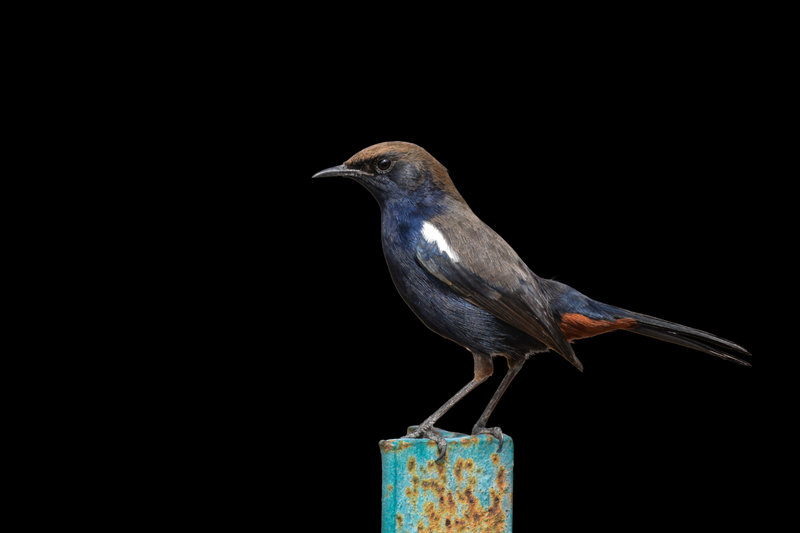
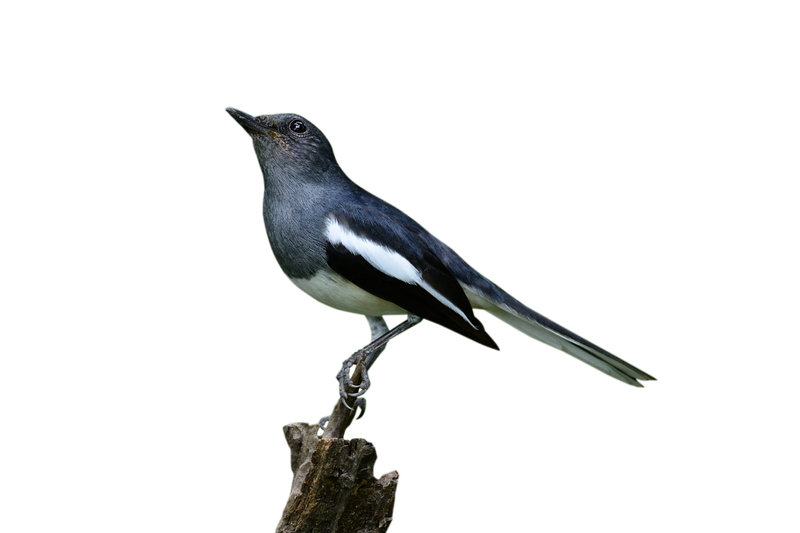
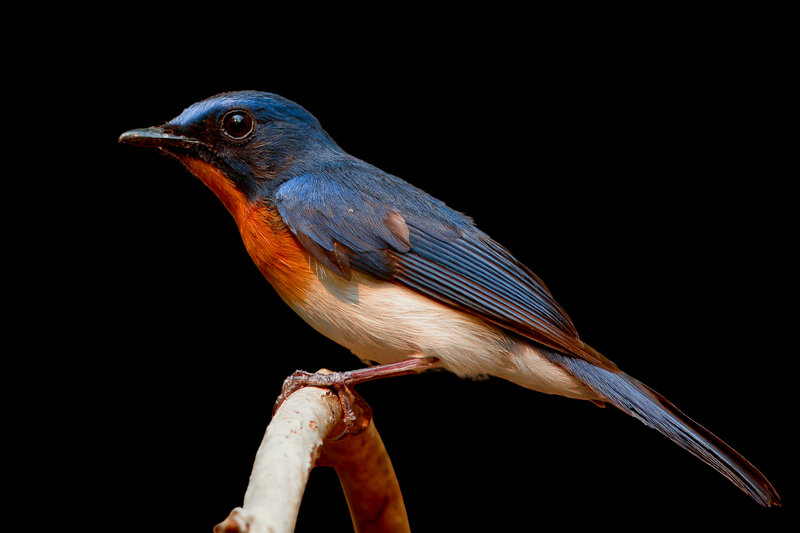
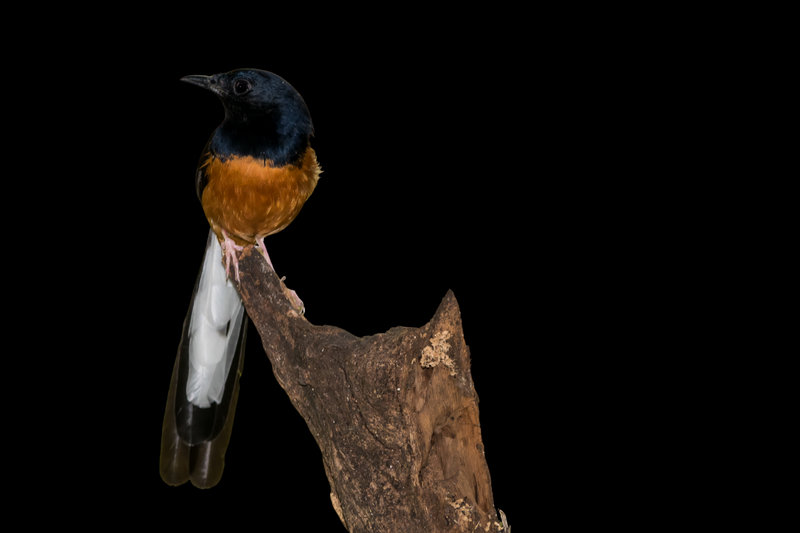
Males black with white rump orange underparts females brown
ADAPTATIONS
Long tail for signaling melodious song
🌿 Ecology
HABITAT
Forests scrub gardens
DIET
Insectivorous
GEOGRAPHIC RANGE
Indian subcontinent southeast Asia
REPRODUCTION
Lays 3-5 eggs in cup nests incubated 12-14 days
DIET DETAILS
Insects worms small invertebrates
⚠️ Threats & Conservation
PRIMARY THREATS
Habitat loss pet trade
💡 Interesting Facts
1
Melodious Singers: White-rumped Shamas sing with 60-gram bodies eating 15 grams of insects daily in Kerala's forests. Their white rumps flash in flight.
2
Forest Mimics: These shamas cover 2000 sq km in Tamil Nadu's woodlands nesting in low bushes. Deforestation threatens their range.
🔭 Sighting Guide
📍 BEST PLACES TO SIGHT
Thattekad Bird Sanctuary in Kerala
Anamalai Tiger Reserve in Tamil Nadu
Dandeli Wildlife Sanctuary in Karnataka
🗓️ BEST TIME TO SIGHT
Year-round Forests ensure visibility for spotting shamas
🎯 SIGHTING TIPS
Listen for white-rumped shamas' beautiful songs at dawn