Home › Aves › Muscicapidae › Indian Robin (Copsychus fulicatus)
SPECIES PROFILE
Indian Robin (Copsychus fulicatus)
Copsychus
IUCN STATUS
Least Concern

CONSERVATION STATUS
Least Concern
CLASS
Aves
GEOGRAPHICAL RANGE
Indian subcontinent Bangladesh Bhutan India Nepal Pakistan Sri Lanka
DIET
Insectivorous
HABITAT
Open stony grassy scrub forest dry areas near human habitation absent from thick forests high rainfall
🔬 Classification
PHYLUM
Chordata
CLASS
Aves
ORDER
Passeriformes
FAMILY
Muscicapidae
GENUS
Copsychus
📋 Description
SIZE
15-19 cm long 20-30 g
COLORATION
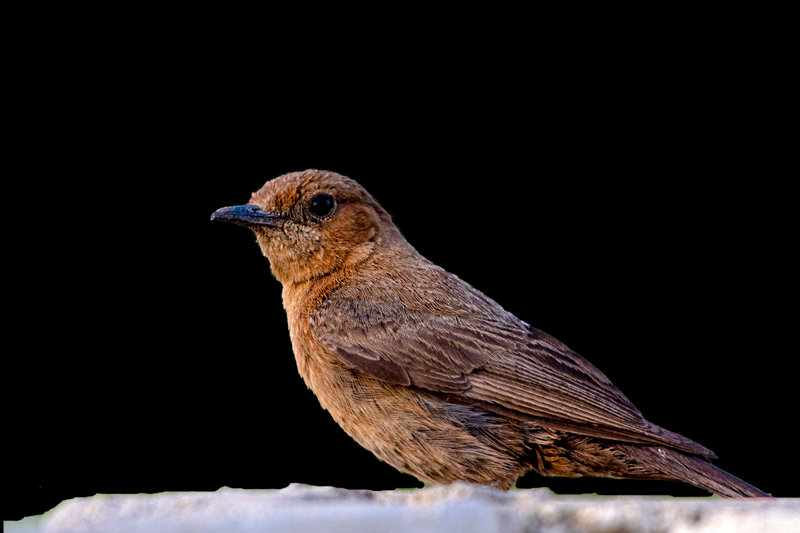
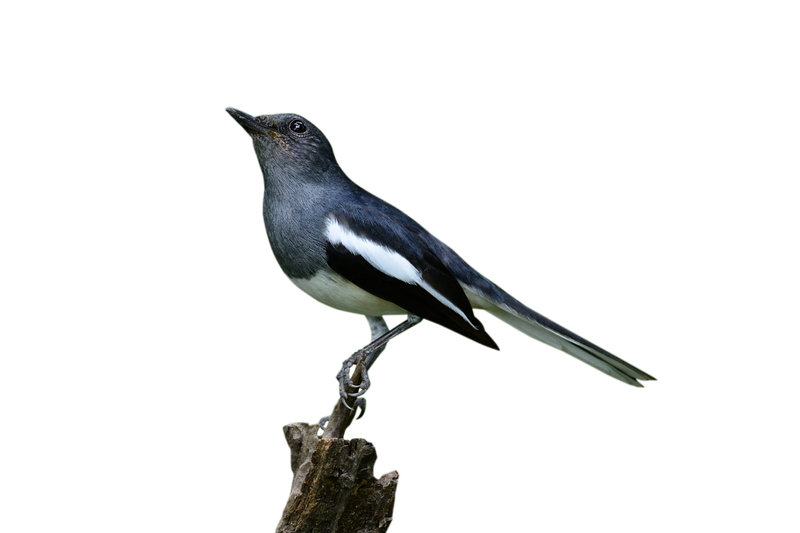
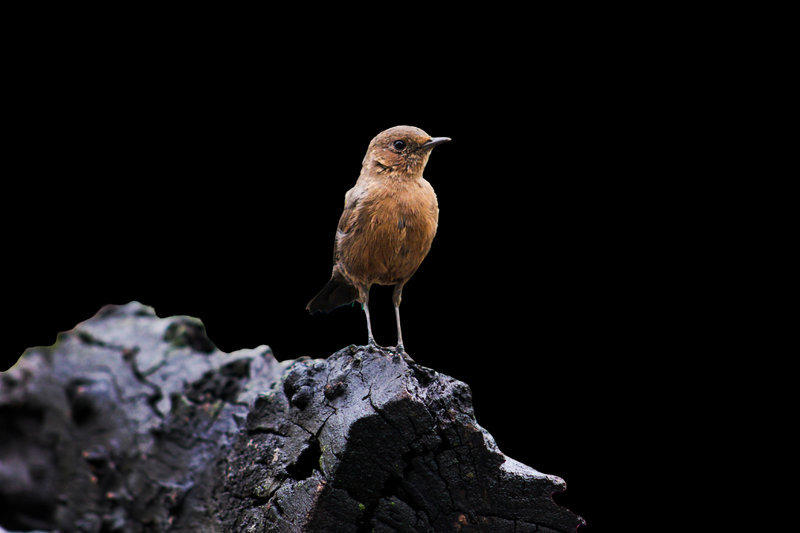
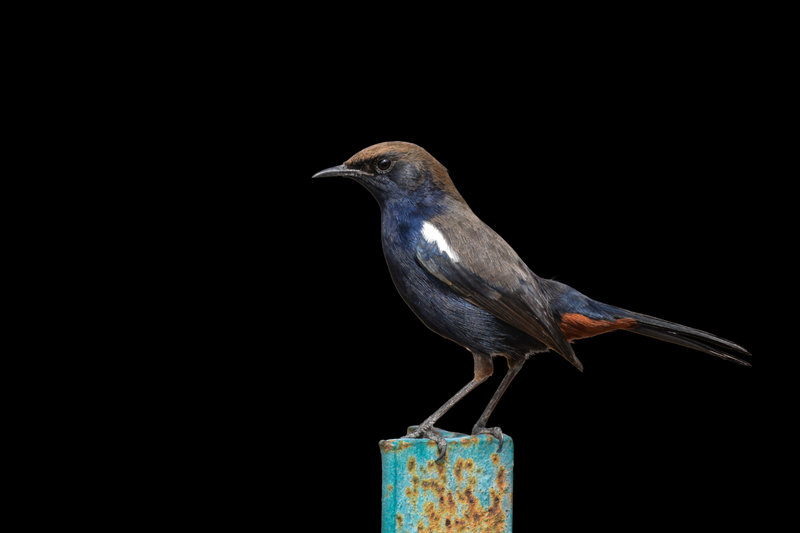
Black with white shoulder patch chestnut undertail brownish or black upperparts in variants females brownish greyish
ADAPTATIONS
Holds tail upright runs on ground perches on low shrubs forages late evening for insects nests in holes walls rocks
🌿 Ecology
HABITAT
Open stony grassy scrub forest dry areas near human habitation absent from thick forests high rainfall
DIET
Insectivorous
GEOGRAPHIC RANGE
Indian subcontinent Bangladesh Bhutan India Nepal Pakistan Sri Lanka
REPRODUCTION
Breeds December-September lays 3-4 spotted eggs incubated 10-12 days by female
DIET DETAILS
Insects frogs lizards especially for young
⚠️ Threats & Conservation
PRIMARY THREATS
Predation by treepies human activities may benefit
💡 Interesting Facts
1
Tail-Flicking Hunters: Indian Robins hop with 25-gram bodies catching 10 grams of insects daily in Pondicherry's scrub. Their upright tails are distinctive.
2
Urban Adapters: These robins cover 4000 sq km in Rajasthan's dry lands nesting in rock crevices. Habitat changes aid their spread.
🔭 Sighting Guide
📍 BEST PLACES TO SIGHT
Pondicherry University campus in Pondicherry
Koottanad in Palakkad Kerala
Narlai in Rajasthan
🗓️ BEST TIME TO SIGHT
Year-round Dry habitats enhance visibility for spotting robins
🎯 SIGHTING TIPS
Watch Indian robins flicking tails on ground or low perches