Home › Aves › Megalaimidae › Brown-headed Barbet (Psilopogon zeylanicus)
SPECIES PROFILE
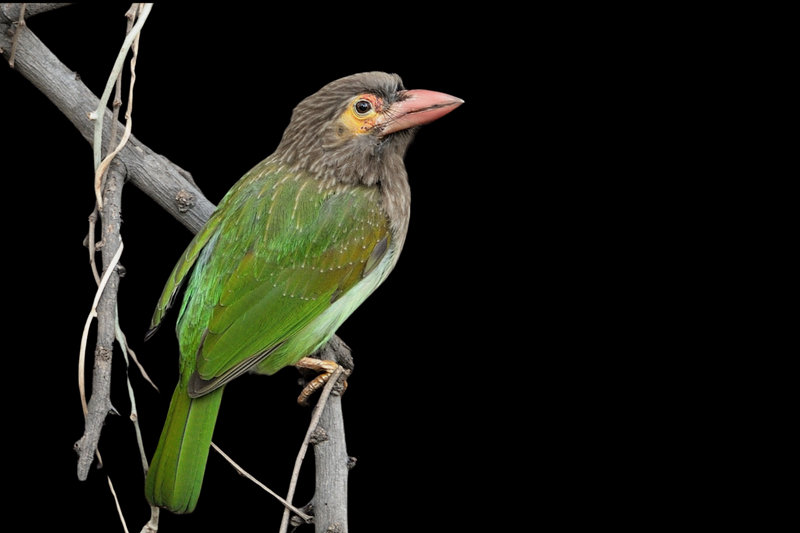
Brown-headed Barbet (Psilopogon zeylanicus)
Psilopogon
IUCN STATUS
Least Concern

CONSERVATION STATUS
Least Concern
CLASS
Aves
GEOGRAPHICAL RANGE
Indian subcontinent
DIET
Omnivorous
HABITAT
Forests gardens urban parks
🔬 Classification
PHYLUM
Chordata
CLASS
Aves
ORDER
Piciformes
FAMILY
Megalaimidae
GENUS
Psilopogon
📋 Description
SIZE
25-28 cm long 80-100 g
COLORATION
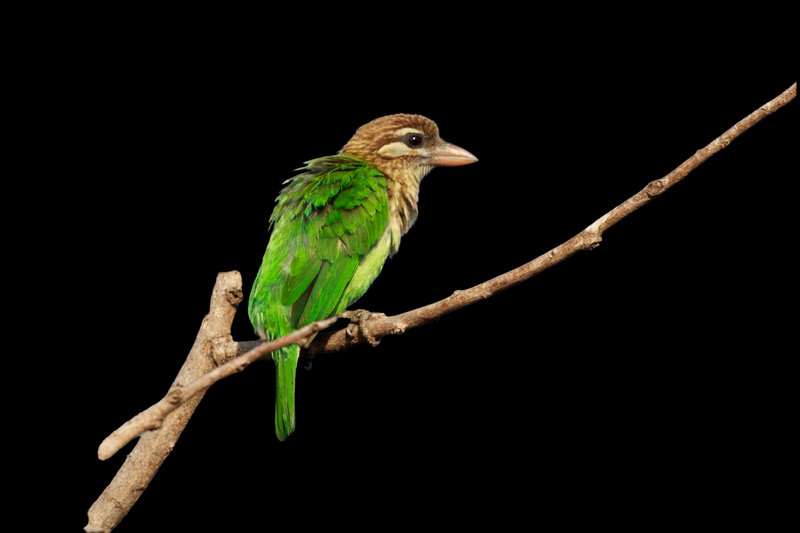
Green with brown head streaked throat
ADAPTATIONS
Strong bill for excavating nests frugivorous habits
🌿 Ecology
HABITAT
Forests gardens urban parks
DIET
Omnivorous
GEOGRAPHIC RANGE
Indian subcontinent
REPRODUCTION
Lays 2-4 eggs in tree cavities incubated 13-15 days
DIET DETAILS
Fruits insects berries
⚠️ Threats & Conservation
PRIMARY THREATS
Deforestation habitat loss
💡 Interesting Facts
1
Brown Callers: Brown-headed Barbets sing with 90-gram bodies eating 30 grams of fruits daily in Kerala's forests. Their brown heads are distinctive.
2
Cavity Excavators: These barbets cover 2000 sq km in Tamil Nadu's parks nesting in dead wood. Urban sprawl threatens their sites.
🔭 Sighting Guide
📍 BEST PLACES TO SIGHT
Thattekad Bird Sanctuary in Kerala
Anamalai Tiger Reserve in Tamil Nadu
Guindy National Park in Chennai Tamil Nadu
🗓️ BEST TIME TO SIGHT
Year-round Forests ensure visibility for spotting barbets
🎯 SIGHTING TIPS
Listen for brown-headed barbets' repetitive calls in trees