Home › Aves › Megalaimidae › Coppersmith Barbet (Psilopogon haemacephalus)
SPECIES PROFILE
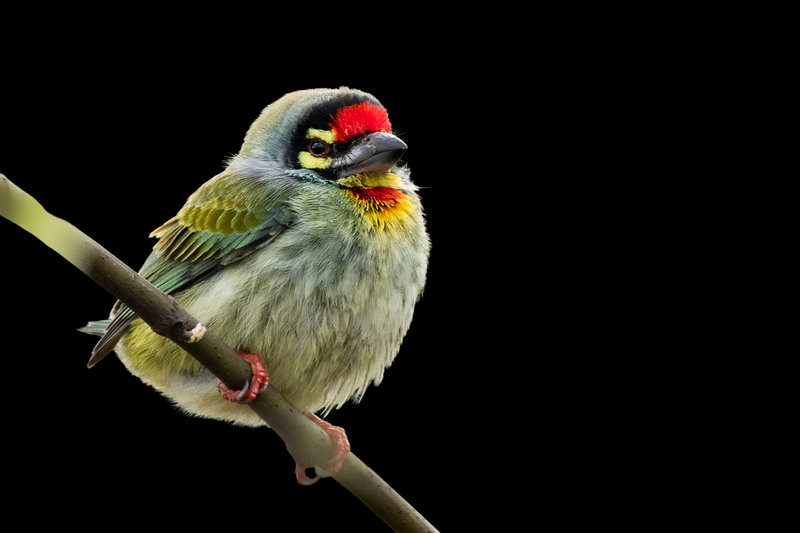
Coppersmith Barbet (Psilopogon haemacephalus)
Psilopogon
IUCN STATUS
Least Concern

CONSERVATION STATUS
Least Concern
CLASS
Aves
GEOGRAPHICAL RANGE
Indian subcontinent southeast Asia
DIET
Omnivorous
HABITAT
Deciduous forests gardens urban parks
🔬 Classification
PHYLUM
Chordata
CLASS
Aves
ORDER
Piciformes
FAMILY
Megalaimidae
GENUS
Psilopogon
📋 Description
SIZE
16-17 cm long 30-50 g
COLORATION
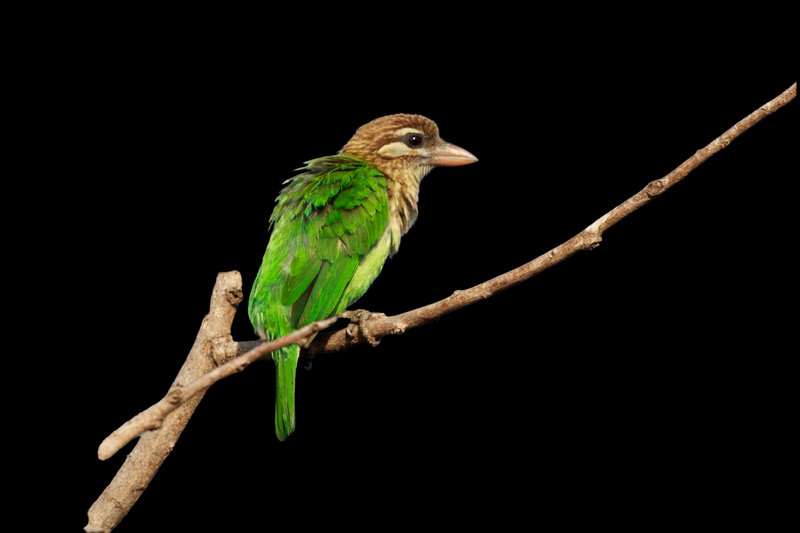
Green with red forehead throat yellow eye patch crimson breast spot
ADAPTATIONS
Strong bill for excavating nests frugivorous habits
🌿 Ecology
HABITAT
Deciduous forests gardens urban parks
DIET
Omnivorous
GEOGRAPHIC RANGE
Indian subcontinent southeast Asia
REPRODUCTION
Lays 2-4 eggs in tree cavities incubated 12-14 days
DIET DETAILS
Fruits insects berries nectar
⚠️ Threats & Conservation
PRIMARY THREATS
Deforestation urban sprawl
💡 Interesting Facts
1
Colorful Drummers: Coppersmith Barbets hammer with 40-gram bodies eating 15 grams of fruits daily in Delhi's gardens. Their red foreheads stand out.
2
Cavity Nesters: These barbets cover 4000 sq km in Mumbai's parks nesting in dead trees. Habitat loss threatens their breeding sites.
🔭 Sighting Guide
📍 BEST PLACES TO SIGHT
Sanjay Gandhi National Park in Mumbai Maharashtra
Okhla Bird Sanctuary in Delhi
Guindy National Park in Chennai Tamil Nadu
🗓️ BEST TIME TO SIGHT
Year-round Urban parks ensure visibility for spotting barbets
🎯 SIGHTING TIPS
Listen for coppersmith barbets' repetitive tuk-tuk calls in trees