Home › Reptilia › Elapidae › Black Mamba (Dendroaspis polylepis)
SPECIES PROFILE
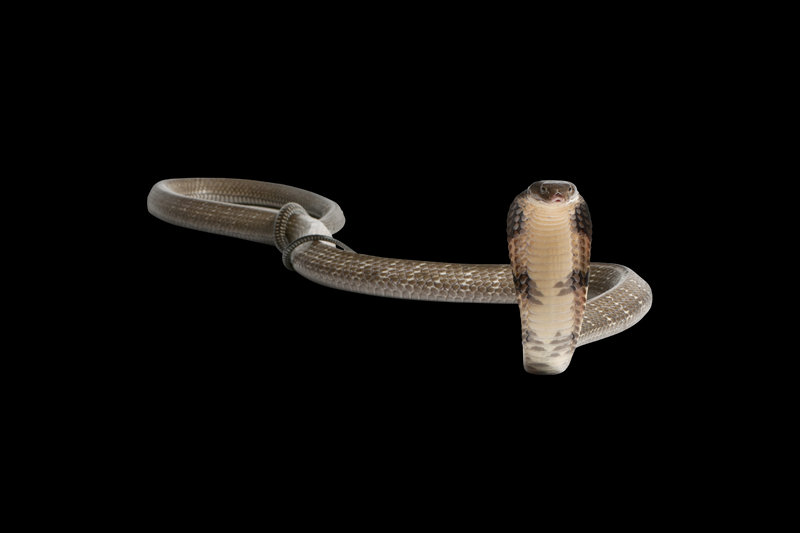
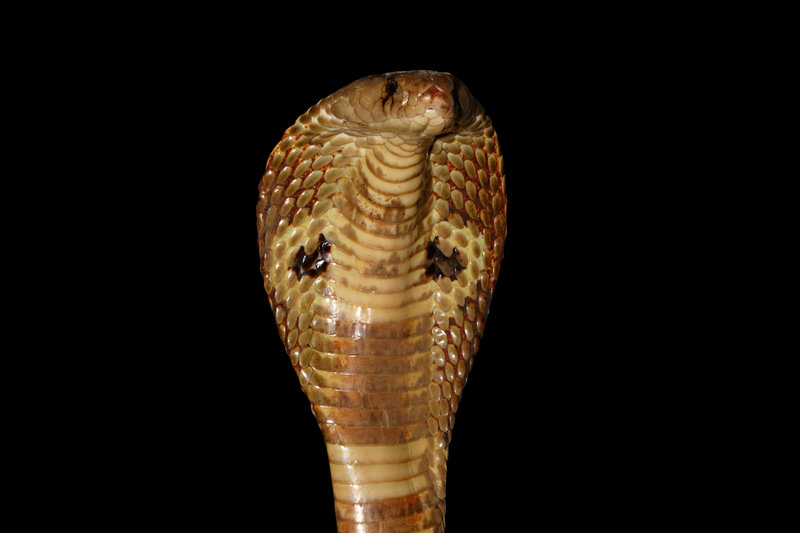
Black Mamba (Dendroaspis polylepis)
Dendroaspis
IUCN STATUS
Least Concern

CONSERVATION STATUS
Least Concern
CLASS
Reptilia
GEOGRAPHICAL RANGE
East and Southern Africa
DIET
Carnivorous
HABITAT
Savannas, woodlands, rocky hills
🔬 Classification
PHYLUM
Chordata
CLASS
Reptilia
ORDER
Squamata
FAMILY
Elapidae
GENUS
Dendroaspis
📋 Description
SIZE
2-4.3 m, 1.6-2 kg
COLORATION
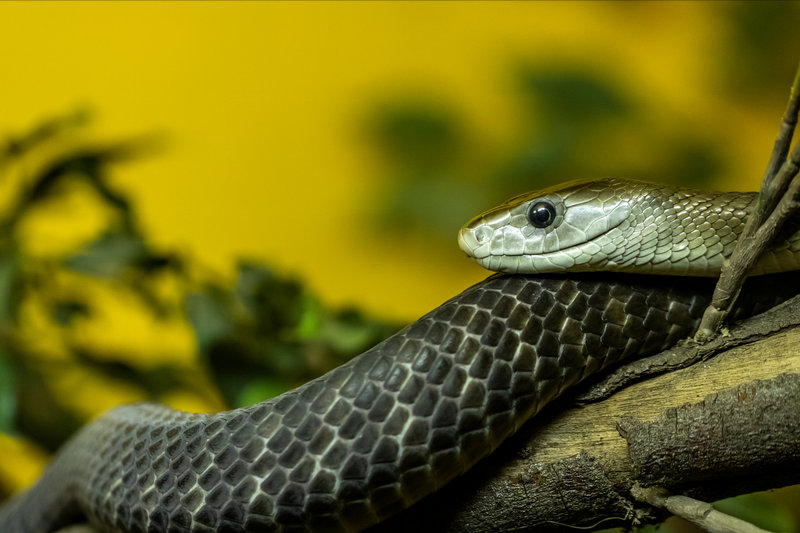
Olive to grey; black mouth interior
ADAPTATIONS
Fast (20 km/h); highly venomous neurotoxin
🌿 Ecology
HABITAT
Savannas, woodlands, rocky hills
DIET
Carnivorous
GEOGRAPHIC RANGE
East and Southern Africa
REPRODUCTION
6-17 eggs; incubation 60-80 days
DIET DETAILS
Birds, small mammals
⚠️ Threats & Conservation
PRIMARY THREATS
Habitat loss, human fear
💡 Interesting Facts
1
Lethal Speed: Black mambas can slither at 20 km/h, faster than most humans can run, and deliver multiple bites with venom that kills in hours if untreated. Their name comes from the black mouth displayed in threat, a terrifying warning to foes.
2
Nervous Hunters: Unlike many snakes, they actively pursue prey, using their speed and agility to chase down birds and rodents, rather than relying solely on ambush. This aggressive hunting style makes them one of Africa's most feared reptiles.
🔭 Sighting Guide
📍 BEST PLACES TO SIGHT
Kruger National Park, South Africa
Serengeti National Park, Tanzania
South Luangwa National Park, Zambia
🗓️ BEST TIME TO SIGHT
June-October: Dry season increases mamba activity in open savannas.
🎯 SIGHTING TIPS
Guided walks with herpetologists to spot mambas in grass or trees.