
Home › Aves › Phoenicopteridae › Flamingo (Phoenicopterus roseus / Phoeniconaias minor)
SPECIES PROFILE
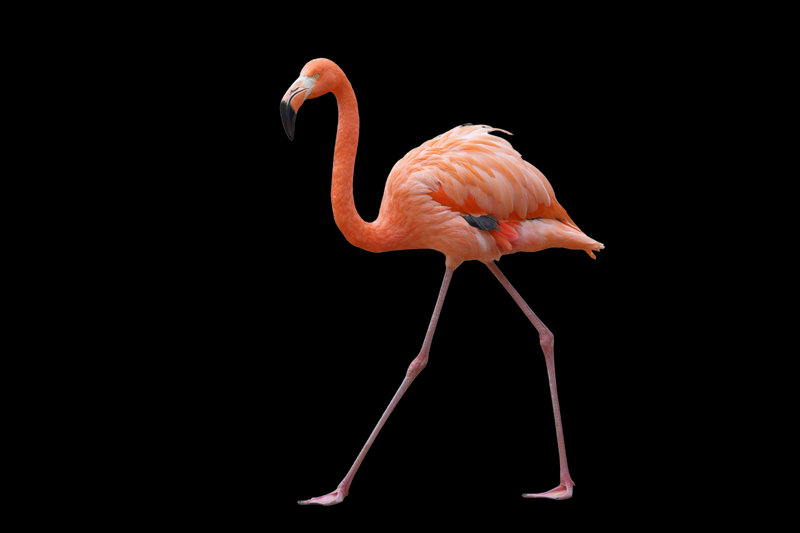
Flamingo (Phoenicopterus roseus / Phoeniconaias minor)
Phoenicopterus / Phoeniconaias
IUCN STATUS
Least Concern (Greater); Near Threatened (Lesser)

CONSERVATION STATUS
Least Concern (Greater); Near Threatened (Lesser)
CLASS
Aves
GEOGRAPHICAL RANGE
Sub-Saharan Africa, North Africa, parts of Asia/Europe
DIET
Omnivorous
HABITAT
Alkaline lakes, wetlands, coastal lagoons
🔬 Classification
PHYLUM
Chordata
CLASS
Aves
ORDER
Phoenicopteriformes
FAMILY
Phoenicopteridae
GENUS
Phoenicopterus / Phoeniconaias
📋 Description
SIZE
1.1-1.5 m tall, 2-4 kg
COLORATION
Pink from diet (carotenoids); black-tipped wings
ADAPTATIONS
Filter-feeding beak; long legs for wading
🌿 Ecology
HABITAT
Alkaline lakes, wetlands, coastal lagoons
DIET
Omnivorous
GEOGRAPHIC RANGE
Sub-Saharan Africa, North Africa, parts of Asia/Europe
REPRODUCTION
1 egg on mud mound; incubation 27-31 days
DIET DETAILS
Algae, shrimp, small organisms
⚠️ Threats & Conservation
PRIMARY THREATS
Habitat loss, pollution
💡 Interesting Facts
1
Flamingo Pink: Their vibrant pink color comes from carotenoid-rich diets of brine shrimp and algae, fading to grey if food sources dwindle. This dietary link creates stunning flocks that turn lakes into living art, a phenomenon visible from miles away.
2
One-Legged Stance: Flamingos stand on one leg to conserve body heat in chilly waters, tucking the other into their feathers like a natural thermostat. This quirky habit also reduces muscle fatigue, letting them rest for hours in harsh saline environments.
🔭 Sighting Guide
📍 BEST PLACES TO SIGHT
Lake Nakuru National Park, Kenya
Etosha National Park, Namibia
Lake Natron, Tanzania
🗓️ BEST TIME TO SIGHT
June-October: Dry season concentrates flamingos at waterholes for feeding.
🎯 SIGHTING TIPS
Visit waterholes at dawn to see flamingos feeding in large flocks.
🐾 You Might Also Want to See...

Other "Vulnerable" Species

Species
Species
Species
Species