Home › Mammalia › Felidae › Clouded Leopard (Neofelis nebulosa)
SPECIES PROFILE
Clouded Leopard (Neofelis nebulosa)
Neofelis
IUCN STATUS
Vulnerable

CONSERVATION STATUS
Vulnerable
CLASS
Mammalia
GEOGRAPHICAL RANGE
Northeast India (Assam, Arunachal Pradesh, Meghalaya)
DIET
Carnivorous
HABITAT
Dense evergreen forests, bamboo thickets
🔬 Classification
PHYLUM
Chordata
CLASS
Mammalia
ORDER
Carnivora
FAMILY
Felidae
GENUS
Neofelis
📋 Description
SIZE
1.6-2 meters (including tail), 11-23 kg; males larger
COLORATION
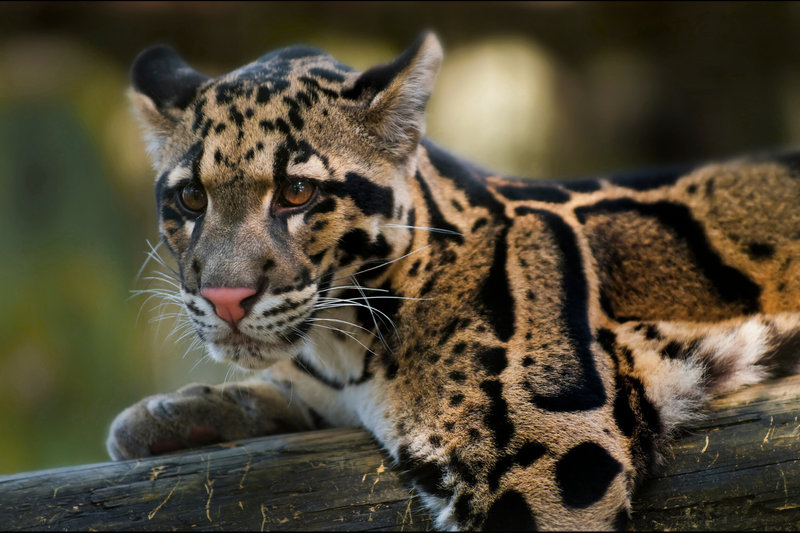
Yellowish-grey with dark cloud-like spots, thick fur
ADAPTATIONS
Long canines for prey, agile climber with rotating ankles
🌿 Ecology
HABITAT
Dense evergreen forests, bamboo thickets
DIET
Carnivorous
GEOGRAPHIC RANGE
Northeast India (Assam, Arunachal Pradesh, Meghalaya)
REPRODUCTION
Females gestate 85-93 days, birthing 1-5 cubs; cubs weaned at 5 months
DIET DETAILS
Monkeys, birds, deer, wild pigs
⚠️ Threats & Conservation
PRIMARY THREATS
Deforestation, poaching for pelts, prey decline
💡 Interesting Facts
1
Canine Power: With 5 cm canines longest among cats clouded leopards pierce prey like deer in Namdapha's forests. Their 200 Indian population faces habitat loss from deforestation.
2
Tree Dwellers: These 23 kg cats hang upside down from branches ambushing monkeys with 2-meter leaps in Assam's jungles. Their spotted coats blend into canopies ensuring stealthy hunts.
🔭 Sighting Guide
📍 BEST PLACES TO SIGHT
Namdapha National Park in Arunachal Pradesh remote forests offer rare clouded leopard sightings
Manas National Park in Assam northeast jungle is a key clouded leopard habitat
Dzukou Valley in Nagaland high-altitude forest fringes hosts clouded leopard sightings
🗓️ BEST TIME TO SIGHT
November-March. Dry season improves trail access in dense forests where leopards are elusive.
🎯 SIGHTING TIPS
Hire expert guides for night patrols to spot leopards in tree canopies.