Home › Mammalia › Soricidae › Greater White-toothed Shrew (Crocidura russula)
SPECIES PROFILE
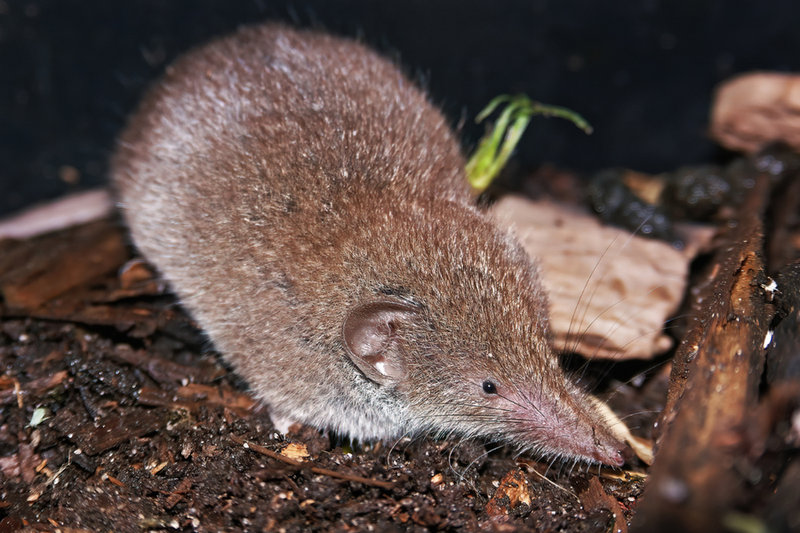
Greater White-toothed Shrew (Crocidura russula)
Crocidura
IUCN STATUS
Least Concern

CONSERVATION STATUS
Least Concern
CLASS
Mammalia
GEOGRAPHICAL RANGE
Western Europe, N Africa
DIET
Insectivorous
HABITAT
Gardens, scrub, woodland
🔬 Classification
PHYLUM
Chordata
CLASS
Mammalia
ORDER
Eulipotyphla
FAMILY
Soricidae
GENUS
Crocidura
📋 Description
SIZE
6-9 cm body, 7-14 g
COLORATION
Grey-brown, pale underside
ADAPTATIONS
High metabolism
🌿 Ecology
HABITAT
Gardens, scrub, woodland
DIET
Insectivorous
GEOGRAPHIC RANGE
Western Europe, N Africa
REPRODUCTION
4-6 young
DIET DETAILS
Insects, small vertebrates
⚠️ Threats & Conservation
PRIMARY THREATS
Habitat loss
💡 Interesting Facts
1
The greater white-toothed shrew is the largest white-toothed shrew in Europe and is very common in gardens. It has a high metabolism and must eat frequently.
2
It is often found near human habitation and can be quite bold at night.
🔭 Sighting Guide
📍 BEST PLACES TO SIGHT
Camargue France
Vosges France
Doñana Spain
🗓️ BEST TIME TO SIGHT
Year-round
🎯 SIGHTING TIPS
Check stone walls/gardens at night.