Home › Mammalia › Soricidae › Common Shrew (Sorex araneus)
SPECIES PROFILE
Common Shrew (Sorex araneus)
Sorex
IUCN STATUS
Least Concern


CONSERVATION STATUS
Least Concern
CLASS
Mammalia
GEOGRAPHICAL RANGE
Northern Europe & Asia
DIET
Insectivorous
HABITAT
Grassland, woodland, hedgerows
🔬 Classification
PHYLUM
Chordata
CLASS
Mammalia
ORDER
Eulipotyphla
FAMILY
Soricidae
GENUS
Sorex
📋 Description
SIZE
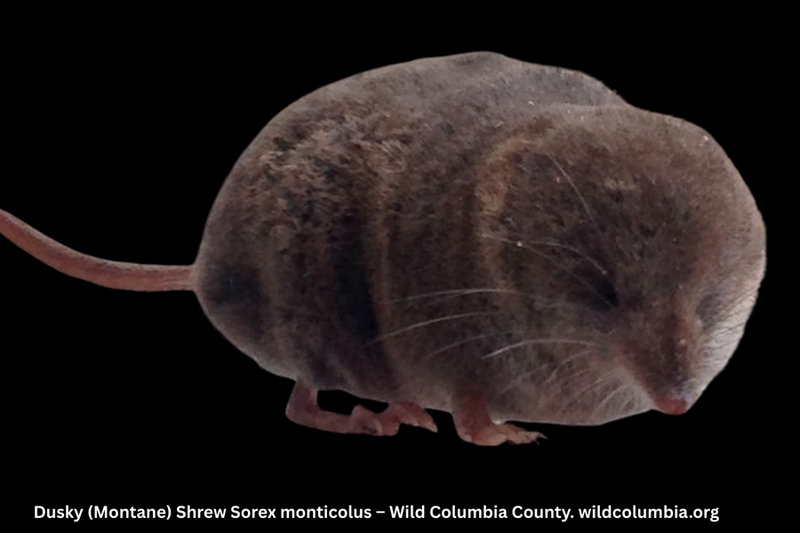
5-8 cm body, 5-14 g
COLORATION
Velvety dark brown, pale underside
ADAPTATIONS
Venomous saliva, skull shrinks in winter
🌿 Ecology
HABITAT
Grassland, woodland, hedgerows
DIET
Insectivorous
GEOGRAPHIC RANGE
Northern Europe & Asia
REPRODUCTION
4-8 young, 2-3 litters
DIET DETAILS
Insects, worms, spiders, slugs
⚠️ Threats & Conservation
PRIMARY THREATS
Habitat loss, pesticides
💡 Interesting Facts
1
Common shrews eat 80–90 % of their body weight every day and are fiercely territorial — fights often end in death. In winter their skull actually shrinks to save energy. They produce high-pitched squeaks that are almost ultrasonic.
2
They are one of the most abundant small mammals in the UK yet very few people ever see them alive.
🔭 Sighting Guide
📍 BEST PLACES TO SIGHT
New Forest UK
Lake District UK
Peak District UK
🗓️ BEST TIME TO SIGHT
Year-round (day & night)
🎯 SIGHTING TIPS
Listen for high-pitched squeaks in grass; check runs under logs.