Home › Mammalia › Cervidae › White-tailed Deer (Odocoileus virginianus)
SPECIES PROFILE
White-tailed Deer (Odocoileus virginianus)
Odocoileus
IUCN STATUS
Least Concern


CONSERVATION STATUS
Least Concern
CLASS
Mammalia
GEOGRAPHICAL RANGE
North America to northern South America; the most widespread deer species in the Western Hemisphere; found throughout El Salvador
DIET
Herbivore
HABITAT
Forest edges, agricultural land with tree cover, open woodland, and brushy areas; highly adaptable generalist
🔬 Classification
PHYLUM
Chordata
CLASS
Mammalia
ORDER
Artiodactyla
FAMILY
Cervidae
GENUS
Odocoileus
📋 Description
SIZE
Males 70–130 kg; females 40–90 kg; body length 1.5–2.3 m
COLORATION
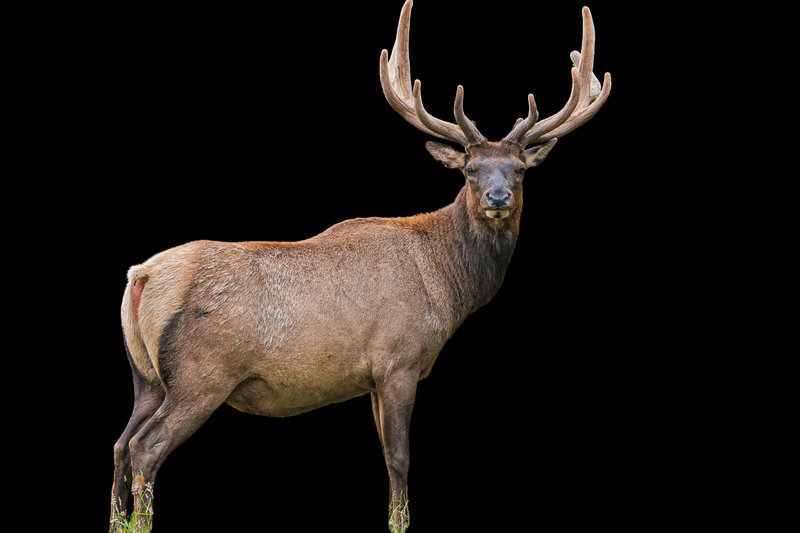
Reddish-brown in summer; grey-brown in winter; white underside; white rump patch flashed when alarmed; males carry branched antlers shed annually
ADAPTATIONS
Extremely alert with an acute sense of smell and hearing; raises its white tail as an alarm signal when fleeing; adaptable to a wide range of habitats
🌿 Ecology
HABITAT
Forest edges, agricultural land with tree cover, open woodland, and brushy areas; highly adaptable generalist
DIET
Herbivore
GEOGRAPHIC RANGE
North America to northern South America; the most widespread deer species in the Western Hemisphere; found throughout El Salvador
REPRODUCTION
1–2 fawns born May to July after 200–205 day gestation; fawns spotted at birth; fawns lie hidden while mother forages
DIET DETAILS
Grasses, leaves, twigs, fruit, acorns, and agricultural crops; browsing is the primary feeding strategy
⚠️ Threats & Conservation
PRIMARY THREATS
Hunting; habitat loss; agricultural intensification removing forest cover
💡 Interesting Facts
1
The White-tailed Deer is the most widespread deer in the Western Hemisphere, found from Canada to Bolivia; in El Salvador it serves as a critical prey species for pumas and is an important game animal.
2
White-tailed Deer raise their tail like a white flag when alarmed — a signal to other deer that a predator has been detected; the white underside is also visible to fawns following their mother in low light.
🔭 Sighting Guide
📍 BEST PLACES TO SIGHT
El Imposible National Park near Ahuachapán, El Salvador, has White-tailed Deer in tropical dry and semi-humid forest
Lake Suchitlán near Suchitoto, El Salvador, has White-tailed Deer visible in forest edges along the reservoir margins
Cerro Verde and Santa Ana Volcano area, El Salvador, has White-tailed Deer in pine-oak forest at higher elevations
🗓️ BEST TIME TO SIGHT
Year-round. The most common large mammal in El Salvador; seen in forest edges and agricultural areas at dawn and dusk throughout the country.
🎯 SIGHTING TIPS
Year-round at El Imposible National Park and Lake Suchitlán margins; dawn and dusk are the most productive times for sightings.