Home › Aves › Turnicidae › Small Buttonquail (Turnix sylvaticus)
SPECIES PROFILE
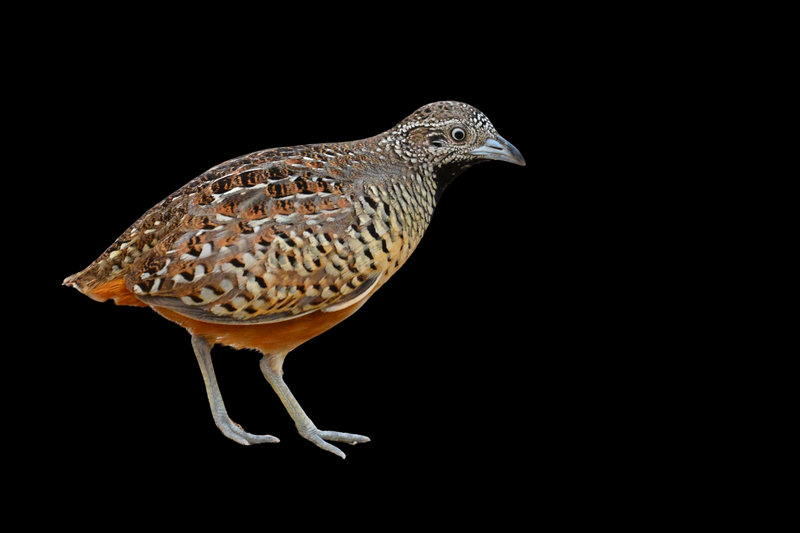
Small Buttonquail (Turnix sylvaticus)
Turnix
IUCN STATUS
Least Concern

CONSERVATION STATUS
Least Concern
CLASS
Aves
GEOGRAPHICAL RANGE
Indian subcontinent southeast Asia Africa
DIET
Omnivorous
HABITAT
Grasslands scrub farmlands
🔬 Classification
PHYLUM
Chordata
CLASS
Aves
ORDER
Galliformes
FAMILY
Turnicidae
GENUS
Turnix
📋 Description
SIZE
15-17 cm long 40-60 g
COLORATION
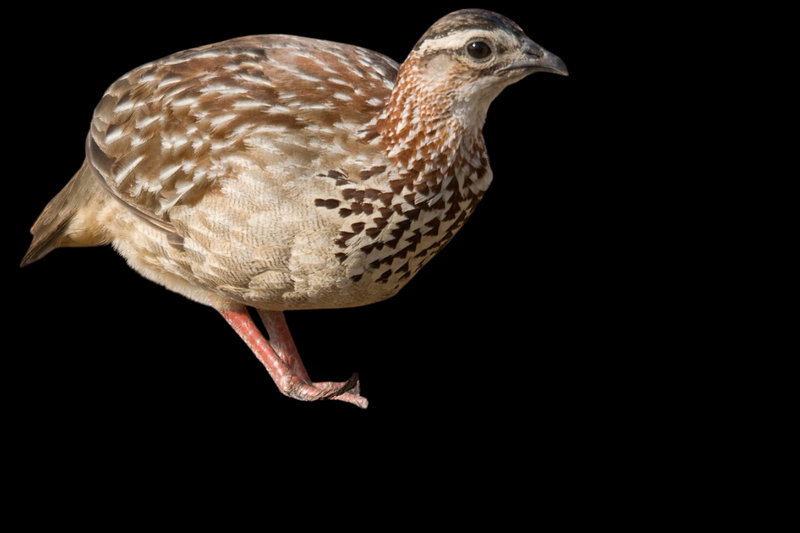
Brown with streaked plumage small size
ADAPTATIONS
Strong legs for running cryptic plumage for ground cover
🌿 Ecology
HABITAT
Grasslands scrub farmlands
DIET
Omnivorous
GEOGRAPHIC RANGE
Indian subcontinent southeast Asia Africa
REPRODUCTION
Lays 3-4 eggs in ground nests incubated 12-14 days by males
DIET DETAILS
Seeds insects small invertebrates
⚠️ Threats & Conservation
PRIMARY THREATS
Habitat loss agricultural intensification
💡 Interesting Facts
1
Small Runners: Small Buttonquails scurry with 50-gram bodies eating 12 grams of seeds daily in Rajasthan's grasslands. Their cryptic patterns aid camouflage.
2
Polyandrous Breeders: These buttonquails cover 2000 sq km in Gujarat's scrub with females laying multiple clutches. Pesticides threaten their food.
🔭 Sighting Guide
📍 BEST PLACES TO SIGHT
Ranthambore National Park in Rajasthan
Jamnagar in Gujarat
Jorbeer Conservation Reserve in Rajasthan
🗓️ BEST TIME TO SIGHT
Year-round Dry grasslands ensure visibility for spotting buttonquails
🎯 SIGHTING TIPS
Watch small buttonquails running in open scrub