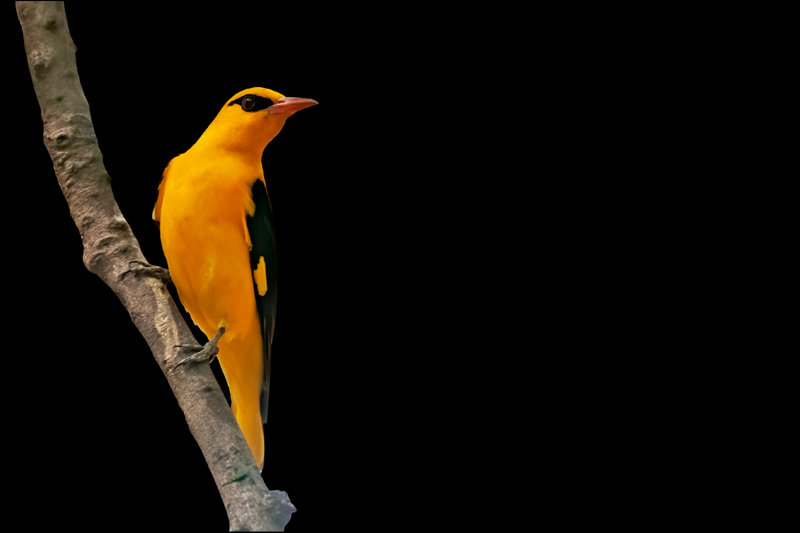
Home › Aves › Oriolidae › Indian Golden Oriole (Oriolus kundoo)
SPECIES PROFILE
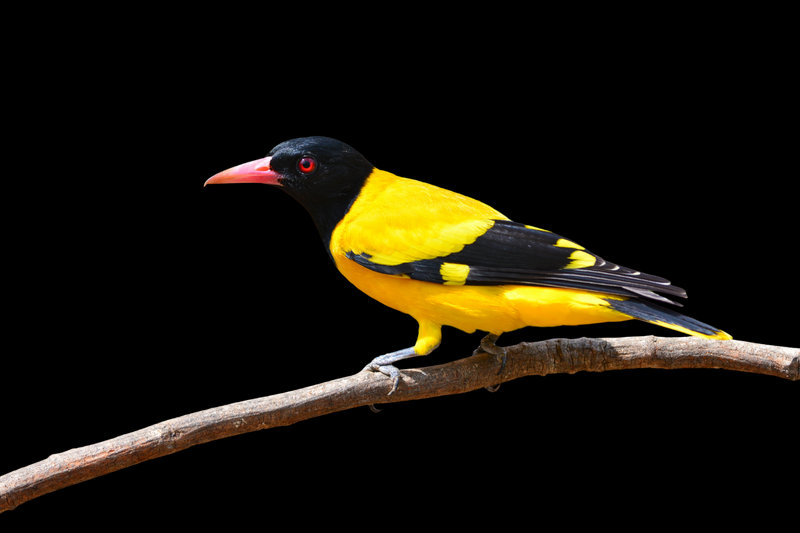
Indian Golden Oriole (Oriolus kundoo)
Oriolus
IUCN STATUS
Least Concern

CONSERVATION STATUS
Least Concern
CLASS
Aves
GEOGRAPHICAL RANGE
Indian subcontinent
DIET
Omnivorous
HABITAT
Open woodlands gardens deciduous forests
🔬 Classification
PHYLUM
Chordata
CLASS
Aves
ORDER
Passeriformes
FAMILY
Oriolidae
GENUS
Oriolus
📋 Description
SIZE
24-25 cm long 70-90 g
COLORATION
Bright yellow with black eye stripe black wing patches females duller
ADAPTATIONS
Strong bill for fruit eating agile in tree canopies
🌿 Ecology
HABITAT
Open woodlands gardens deciduous forests
DIET
Omnivorous
GEOGRAPHIC RANGE
Indian subcontinent
REPRODUCTION
Lays 2-4 eggs in cup nests incubated 14-16 days
DIET DETAILS
Fruits insects nectar
⚠️ Threats & Conservation
PRIMARY THREATS
Deforestation pesticide use
💡 Interesting Facts
1
Golden Canopy Dwellers: Indian Golden Orioles flit with 80-gram bodies eating 20 grams of fruits daily in Kerala's forests. Their yellow plumage glows in sunlight.
2
Melodious Singers: These orioles cover 3000 sq km in Tamil Nadu's woodlands nesting in high branches. Habitat loss threatens their fruit sources.
🔭 Sighting Guide
📍 BEST PLACES TO SIGHT
Thattekad Bird Sanctuary in Kerala
Anamalai Tiger Reserve in Tamil Nadu
Dandeli Wildlife Sanctuary in Karnataka
🗓️ BEST TIME TO SIGHT
October-March Dry season enhances visibility in forests for spotting orioles
🎯 SIGHTING TIPS
Listen for Indian golden orioles' fluty calls in treetops