Home › Mammalia › Canidae › Dhole (Cuon alpinus)
SPECIES PROFILE
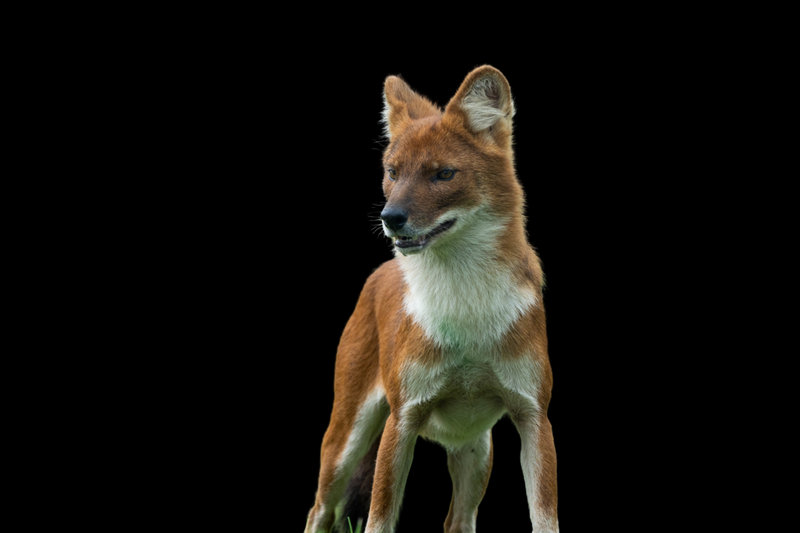
Dhole (Cuon alpinus)
Cuon
IUCN STATUS
Endangered

CONSERVATION STATUS
Endangered
CLASS
Mammalia
GEOGRAPHICAL RANGE
Scattered across India, notably Western Ghats, Central India, Northeast
DIET
Carnivorous
HABITAT
Forests, grasslands, hills up to 3,000 meters
🔬 Classification
PHYLUM
Chordata
CLASS
Mammalia
ORDER
Carnivora
FAMILY
Canidae
GENUS
Cuon
📋 Description
SIZE
90-110 cm long, 43-50 cm at shoulder, 12-20 kg
COLORATION
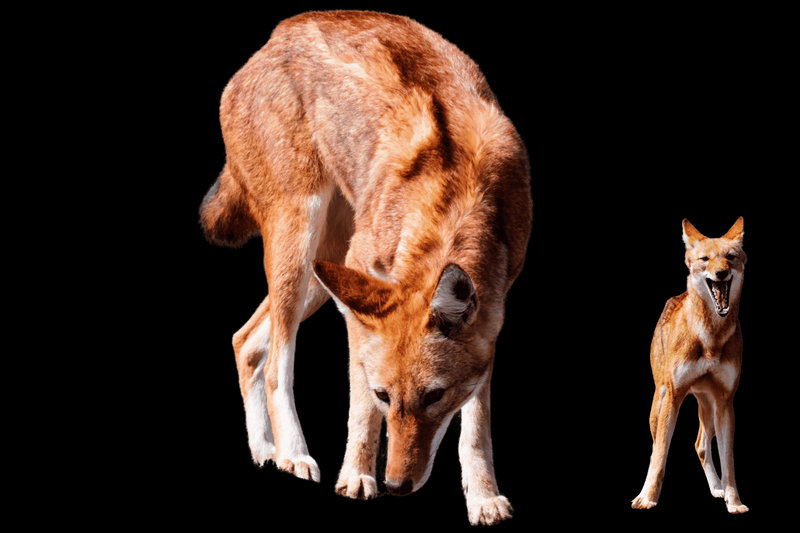
Reddish-brown coat, white underparts, bushy black-tipped tail
ADAPTATIONS
Pack hunting coordination, strong jaws for prey
🌿 Ecology
HABITAT
Forests, grasslands, hills up to 3,000 meters
DIET
Carnivorous
GEOGRAPHIC RANGE
Scattered across India, notably Western Ghats, Central India, Northeast
REPRODUCTION
Females gestate 60-63 days, birthing 5-10 pups; pack raises young
DIET DETAILS
Deer, wild boar, small mammals; hunts in packs
⚠️ Threats & Conservation
PRIMARY THREATS
Habitat loss, prey decline, disease from feral dogs
💡 Interesting Facts
1
Whistling Packs: Dholes use high-pitched whistles audible 1 km away coordinating hunts in Tadoba's forests with 20-member packs. Their 2500 population takes down 50 kg deer collectively.
2
Social Hunters: These 20 kg wild dogs share kills with pups unlike wolves strengthening bonds in Bandipur's 1000 sq km range. Their teamwork fells prey 10 times their size ensuring survival.
🔭 Sighting Guide
📍 BEST PLACES TO SIGHT
Tadoba Andhari Tiger Reserve in Maharashtra central forests has dhole pack sightings
Bandipur National Park in Karnataka Western Ghats is a prime dhole habitat
Buxa Tiger Reserve in West Bengal eastern forests offer dhole sightings
🗓️ BEST TIME TO SIGHT
November-March. Dry season enhances visibility of dhole packs hunting in forests.
🎯 SIGHTING TIPS
Join guided safaris at dawn to observe dhole packs coordinating hunts.