Home › Aves › Anatidae › Lesser Whistling-Duck (Dendrocygna javanica)
SPECIES PROFILE
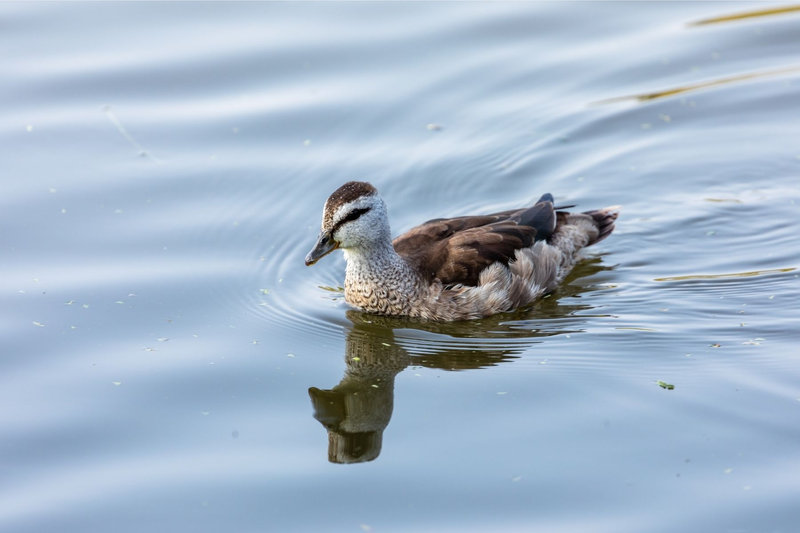
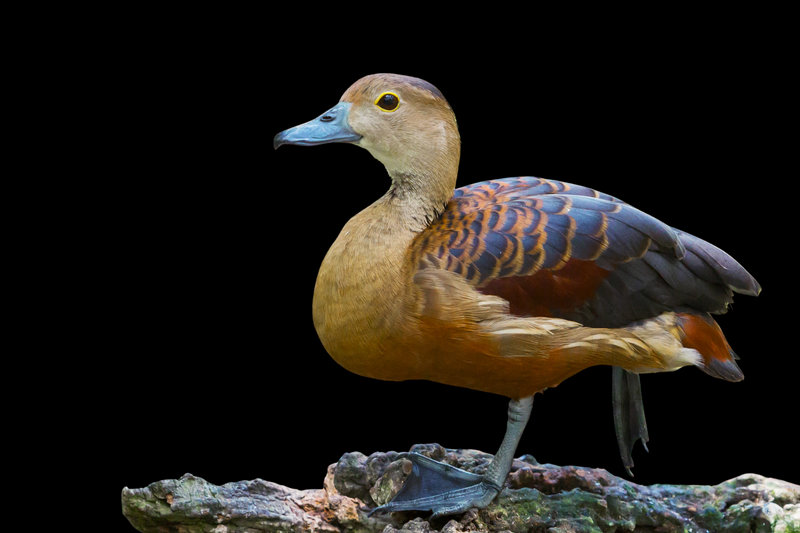
Lesser Whistling-Duck (Dendrocygna javanica)
Dendrocygna
IUCN STATUS
Least Concern

CONSERVATION STATUS
Least Concern
CLASS
Aves
GEOGRAPHICAL RANGE
Indian subcontinent southeast Asia
DIET
Omnivorous
HABITAT
Wetlands lakes marshes rice fields
🔬 Classification
PHYLUM
Chordata
CLASS
Aves
ORDER
Anseriformes
FAMILY
Anatidae
GENUS
Dendrocygna
📋 Description
SIZE
38-42 cm long 400-600 g
COLORATION
Brown with darker crown yellow eye-ring
ADAPTATIONS
Whistling calls strong wings for migration
🌿 Ecology
HABITAT
Wetlands lakes marshes rice fields
DIET
Omnivorous
GEOGRAPHIC RANGE
Indian subcontinent southeast Asia
REPRODUCTION
Lays 6-12 eggs in tree holes or ground nests incubated 26-28 days
DIET DETAILS
Plants seeds insects crustaceans
⚠️ Threats & Conservation
PRIMARY THREATS
Wetland drainage hunting
💡 Interesting Facts
1
Whistling Flocks: Lesser Whistling-Ducks swim with 500-gram bodies eating 100 grams of plants daily in Chilika's wetlands. Their whistling calls are distinctive.
2
Nocturnal Feeders: These ducks cover 4000 sq km in Rajasthan's lakes nesting in trees. Pollution threatens their food.
🔭 Sighting Guide
📍 BEST PLACES TO SIGHT
Chilika Lake in Odisha
Bharatpur Bird Sanctuary in Rajasthan
Vedanthangal Bird Sanctuary in Tamil Nadu
🗓️ BEST TIME TO SIGHT
October-March Dry season concentrates food for spotting ducks
🎯 SIGHTING TIPS
Listen for lesser whistling-ducks' whistling calls at dusk