Home › Aves › Estrildidae › Indian Silverbill (Euodice malabarica)
SPECIES PROFILE
Indian Silverbill (Euodice malabarica)
Euodice
IUCN STATUS
Least Concern

CONSERVATION STATUS
Least Concern
CLASS
Aves
GEOGRAPHICAL RANGE
Pakistan Nepal Bangladesh India Sri Lanka Iran Israel
DIET
Omnivorous
HABITAT
Dry open scrub fallow land cultivation sometimes near water
🔬 Classification
PHYLUM
Chordata
CLASS
Aves
ORDER
Passeriformes
FAMILY
Estrildidae
GENUS
Euodice
📋 Description
SIZE
11-11.5 cm long
COLORATION
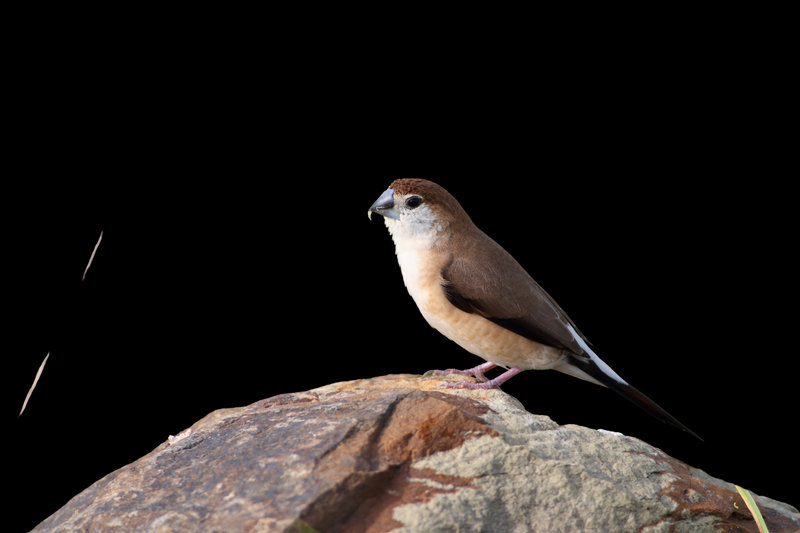
Conical silver-grey bill buff-brown upperparts white underparts buffy flanks dark wings black tail white rump
ADAPTATIONS
Feeds on seeds and insects visits nectar flowers nests in low shrubs uses old nests of other birds
🌿 Ecology
HABITAT
Dry open scrub fallow land cultivation sometimes near water
DIET
Omnivorous
GEOGRAPHIC RANGE
Pakistan Nepal Bangladesh India Sri Lanka Iran Israel
REPRODUCTION
Lays 4-8 white eggs in shrub nests incubated 11 days by both parents
DIET DETAILS
Grass seeds crop species insects nectar-bearing flowers
⚠️ Threats & Conservation
PRIMARY THREATS
Habitat alteration urban expansion
💡 Interesting Facts
1
Seed Specialists: Indian Silverbills forage in flocks with 11 cm bodies eating 10 grams of seeds daily in Bharatpur's scrublands. Their silver bills aid cracking tough grasses.
2
Flock Foragers: These silverbills cover 3000 sq km in Rajasthan's dry lands chirping constantly while nesting in Acacia bushes. Introduced populations thrive in new areas.
🔭 Sighting Guide
📍 BEST PLACES TO SIGHT
Keoladeo National Park in Bharatpur Rajasthan
Ranthambore National Park in Rajasthan
Sanjay Gandhi National Park in Mumbai Maharashtra
🗓️ BEST TIME TO SIGHT
Year-round Dry habitats ensure visibility for spotting silverbills
🎯 SIGHTING TIPS
Look for Indian silverbills in small flocks on ground or low bushes