Home › Aves › Strigidae › Forest Owlet (Heteroglaux blewitti)
SPECIES PROFILE
Forest Owlet (Heteroglaux blewitti)
Heteroglaux
IUCN STATUS
Critically Endangered

CONSERVATION STATUS
Critically Endangered
CLASS
Aves
GEOGRAPHICAL RANGE
Central India: Maharashtra, Madhya Pradesh
DIET
Carnivorous
HABITAT
Dry deciduous forests
🔬 Classification
PHYLUM
Chordata
CLASS
Aves
ORDER
Strigiformes
FAMILY
Strigidae
GENUS
Heteroglaux
📋 Description
SIZE
23 cm long, 200-240 grams
COLORATION
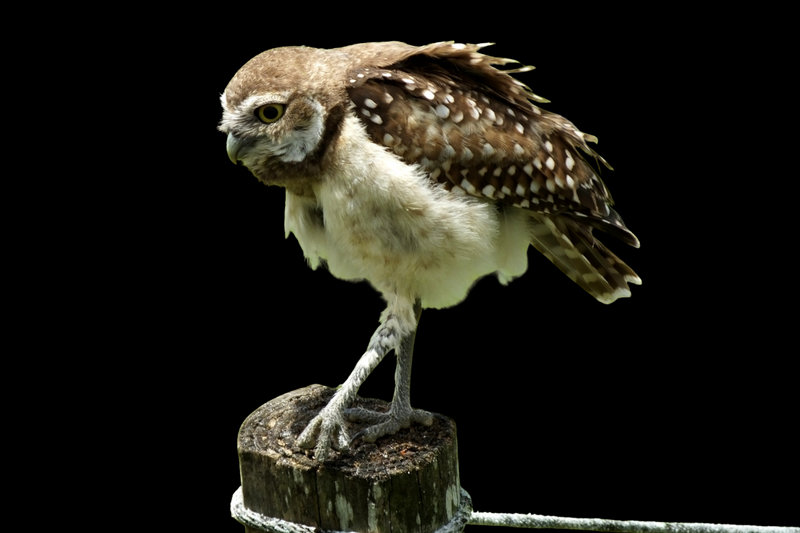
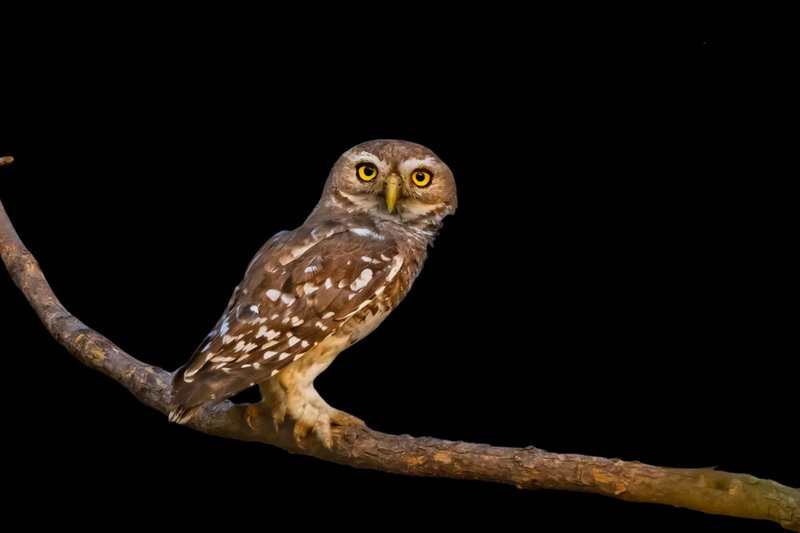
Brown with white spots, yellow eyes
ADAPTATIONS
Compact body for forest hunting, silent flight
🌿 Ecology
HABITAT
Dry deciduous forests
DIET
Carnivorous
GEOGRAPHIC RANGE
Central India: Maharashtra, Madhya Pradesh
REPRODUCTION
Lays 2-3 eggs in tree hollows, incubated 25-30 days
DIET DETAILS
Small birds, rodents, lizards
⚠️ Threats & Conservation
PRIMARY THREATS
Deforestation, habitat fragmentation
💡 Interesting Facts
1
Lost and Found: Rediscovered in 1997 after a century forest owlets hunt insects by day in Melghat's forests with 250 survivors. Their 23 cm bodies face threats from logging.
2
Daytime Predators: Unlike nocturnal owls these 200-gram birds swoop on beetles in Khandwa's dry forests with 2-meter dives. Conservation efforts protect their 500 sq km deciduous range.
🔭 Sighting Guide
📍 BEST PLACES TO SIGHT
Melghat Tiger Reserve in Maharashtra dry forest is a key forest owlet habitat
Khandwa Forests in Madhya Pradesh offer recent forest owlet sightings
Yawal Wildlife Sanctuary in Maharashtra deciduous forests hosts forest owlet sightings
🗓️ BEST TIME TO SIGHT
November-March. Dry season improves visibility in dry deciduous forests for spotting owlets.
🎯 SIGHTING TIPS
Look for owlets perched on low branches at dusk with expert birding guides.