Home › Aves › Hirundinidae › Eastern Red-rumped Swallow (Cecropis daurica)
SPECIES PROFILE
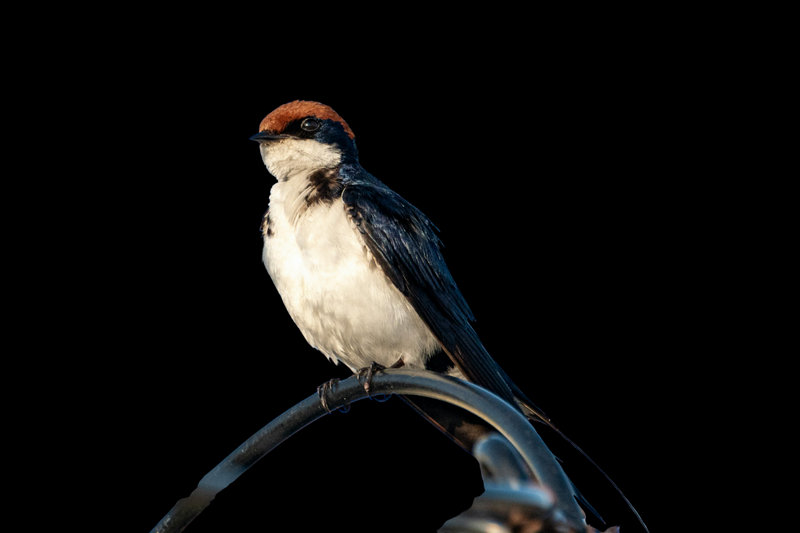
Eastern Red-rumped Swallow (Cecropis daurica)
Cecropis
IUCN STATUS
Least Concern

CONSERVATION STATUS
Least Concern
CLASS
Aves
GEOGRAPHICAL RANGE
Southern Europe north Africa east to Iran Pakistan northwest India
DIET
Insectivorous
HABITAT
Open hilly country grassland plains takes advantage of fires grazing cattle
🔬 Classification
PHYLUM
Chordata
CLASS
Aves
ORDER
Passeriformes
FAMILY
Hirundinidae
GENUS
Cecropis
📋 Description
SIZE
16-17 cm long 20-30 g
COLORATION
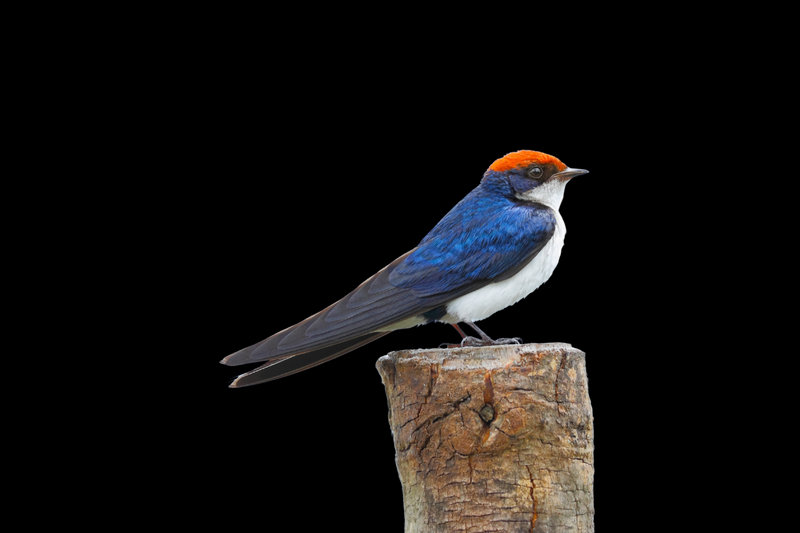
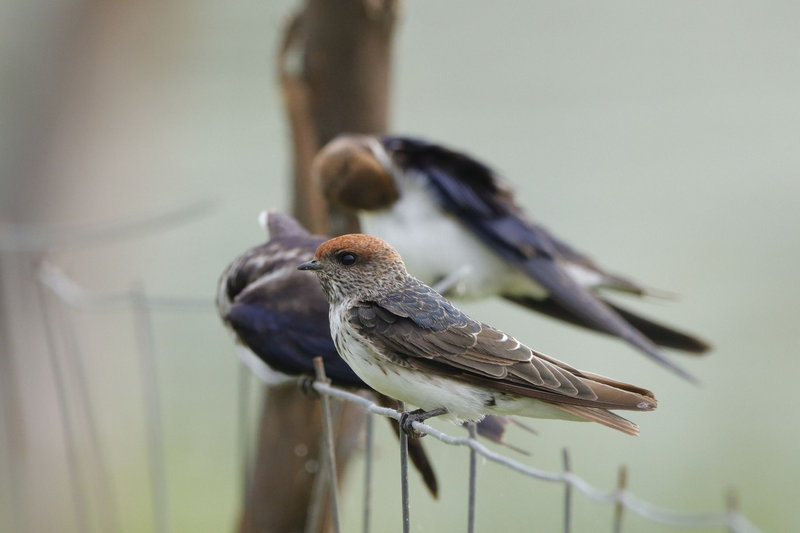
Blue upperparts dusky underparts reddish rump face neck collar no breast band black undertails
ADAPTATIONS
Fast fliers hawks insects builds mud nests with tunnel solitary nester
🌿 Ecology
HABITAT
Open hilly country grassland plains takes advantage of fires grazing cattle
DIET
Insectivorous
GEOGRAPHIC RANGE
Southern Europe north Africa east to Iran Pakistan northwest India
REPRODUCTION
Lays 3-6 eggs in mud nests with tunnel
DIET DETAILS
Insects hawked airborne
⚠️ Threats & Conservation
PRIMARY THREATS
Habitat loss agricultural changes
💡 Interesting Facts
1
Mud Nest Builders: Eastern Red-rumped Swallows soar with 25-gram bodies catching 8 grams of insects daily over Delhi's plains. Their red rumps distinguish them.
2
Migratory Visitors: These swallows cover 4000 sq km in Punjab's grasslands nesting under bridges. Urban development affects sites.
🔭 Sighting Guide
📍 BEST PLACES TO SIGHT
Northwest India plains near Delhi
Punjab grasslands
Rajasthan open areas
🗓️ BEST TIME TO SIGHT
October-March Winter migration improves visibility for spotting swallows
🎯 SIGHTING TIPS
Watch eastern red-rumped swallows hawking insects over fields