Home › Aves › Sturnidae › Brahminy Starling (Sturnia pagodarum)
SPECIES PROFILE
Brahminy Starling (Sturnia pagodarum)
Sturnia
IUCN STATUS
Least Concern

CONSERVATION STATUS
Least Concern
CLASS
Aves
GEOGRAPHICAL RANGE
Resident in Nepal India winter in Sri Lanka summer in western northeastern Himalayas
DIET
Omnivorous
HABITAT
Dry forest scrub jungle cultivation near waterlogged marshy lands
🔬 Classification
PHYLUM
Chordata
CLASS
Aves
ORDER
Passeriformes
FAMILY
Sturnidae
GENUS
Sturnia
📋 Description
SIZE
20-22 cm long 40-50 g
COLORATION
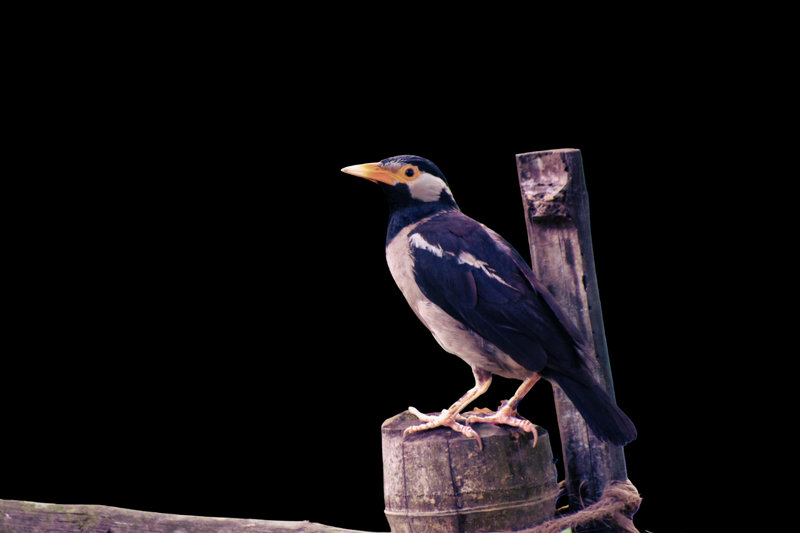
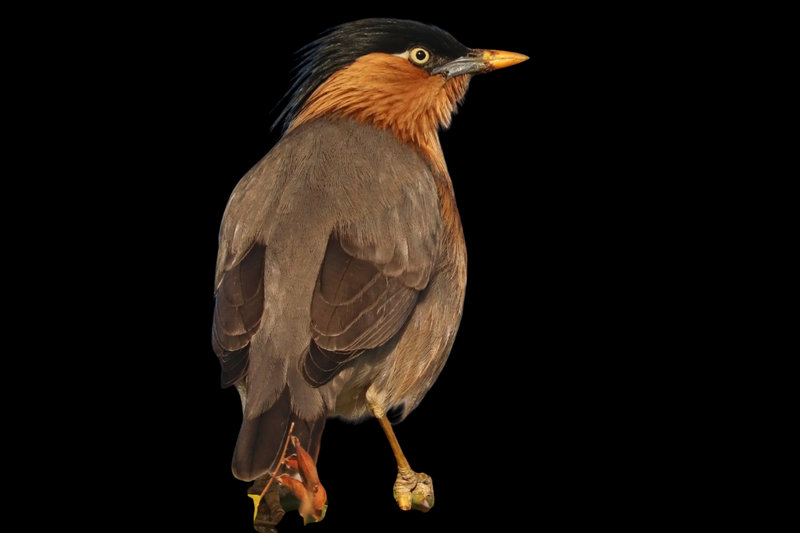
Pale buff creamy with black cap loose crest yellow bill bluish base pale iris bluish eye skin outer tail white black primaries
ADAPTATIONS
Feeds on toxic fruits forms small flocks forages on ground beside cattle visits flowers for nectar roosts communally
🌿 Ecology
HABITAT
Dry forest scrub jungle cultivation near waterlogged marshy lands
DIET
Omnivorous
GEOGRAPHIC RANGE
Resident in Nepal India winter in Sri Lanka summer in western northeastern Himalayas
REPRODUCTION
Clutch 3-4 pale bluish-green eggs incubated 12-14 days by both parents
DIET DETAILS
Fruits insects nectar from flowers like Salmalia Butea monosperma
⚠️ Threats & Conservation
PRIMARY THREATS
Habitat loss agricultural intensification
💡 Interesting Facts
1
Crested Fruit Lovers: Brahminy Starlings forage with 45-gram bodies eating 20 grams of fruits daily in Rajasthan's scrub. Their black caps signal maturity.
2
Communal Roosters: These starlings cover 4000 sq km in Gujarat's marshy lands nesting in tree holes. Deforestation threatens their nectar sources.
🔭 Sighting Guide
📍 BEST PLACES TO SIGHT
Rajasthan scrublands
Gujarat wetlands
Koottanad in Palakkad Kerala
🗓️ BEST TIME TO SIGHT
October-March Dry season enhances visibility in scrub for spotting starlings
🎯 SIGHTING TIPS
Spot Brahminy starlings in small flocks near fruiting trees