Home › Mammalia › Leporidae › European Hare (Lepus europaeus)
SPECIES PROFILE
European Hare (Lepus europaeus)
Lepus
IUCN STATUS
Least Concern

CONSERVATION STATUS
Least Concern
CLASS
Mammalia
GEOGRAPHICAL RANGE
Europe, western Asia, introduced elsewhere
DIET
Herbivorous
HABITAT
Open farmland, grasslands, meadows
🔬 Classification
PHYLUM
Chordata
CLASS
Mammalia
ORDER
Lagomorpha
FAMILY
Leporidae
GENUS
Lepus
📋 Description
SIZE
50-70 cm body, 3-5 kg
COLORATION
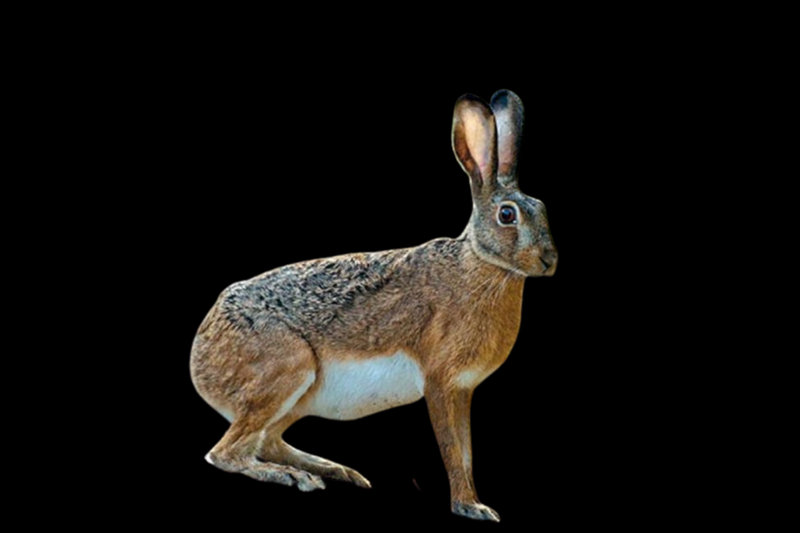
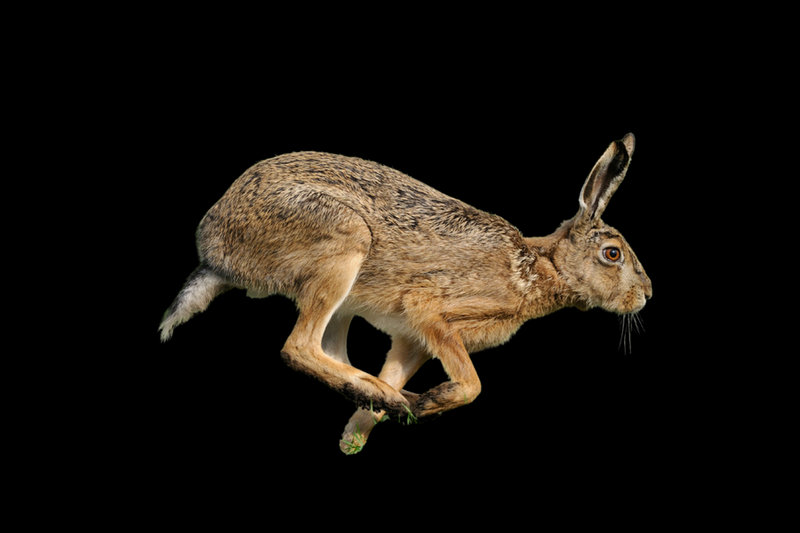
Brown fur, black ear tips, white belly
ADAPTATIONS
Extremely fast runner (up to 80 km/h), long ears for heat dissipation, strong hind legs for leaping
🌿 Ecology
HABITAT
Open farmland, grasslands, meadows
DIET
Herbivorous
GEOGRAPHIC RANGE
Europe, western Asia, introduced elsewhere
REPRODUCTION
2-4 leverets, 3-4 litters per year
DIET DETAILS
Grasses, herbs, crops, bark
⚠️ Threats & Conservation
PRIMARY THREATS
Habitat loss, hunting, roadkill, agricultural intensification
💡 Interesting Facts
1
European hares do not dig burrows; they rest in shallow depressions called forms. They can reach speeds of 80 km/h and leap up to 3 m high when pursued. In spring, males and females perform spectacular “boxing” fights to decide mates.
2
They are one of the fastest land mammals in Europe and were once a symbol of fertility in folklore. Populations have declined in many countries due to modern farming practices.
🔭 Sighting Guide
📍 BEST PLACES TO SIGHT
New Forest UK
Salisbury Plain UK
Cambridgeshire Fens UK
🗓️ BEST TIME TO SIGHT
Year-round (peak dawn/dusk)
🎯 SIGHTING TIPS
Look for fast-running brown hares in open fields at dawn/dusk; listen for boxing in spring.